




The Current Cooking Conundrum
Recent global events, particularly the conflict in West Asia, have sent ripples through India's energy sector, directly impacting the availability and
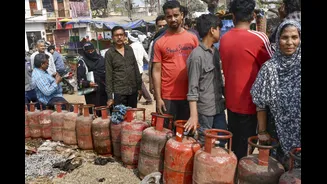
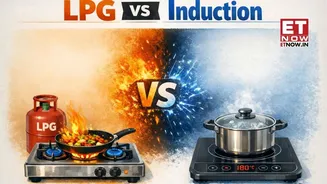
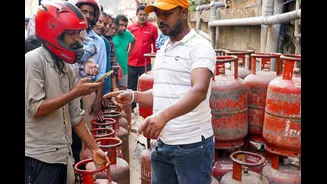
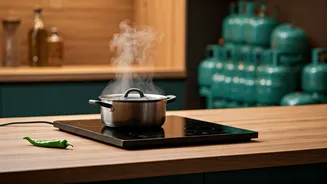
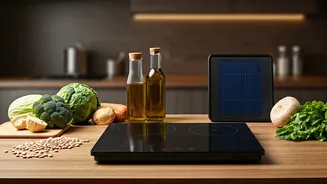
cost of Liquefied Petroleum Gas (LPG). This disruption has led to noticeable shortages of LPG cylinders in various Indian cities, prompting a significant increase in prices and a surge in panic buying. Consequently, many households and even food establishments are actively re-evaluating their cooking methods. The core question on many minds is whether the traditional flame of an LPG stove remains the more economical option compared to the modern electric alternative of an induction cooktop, especially considering the current volatile market conditions and the potential for continued supply uncertainties.
Understanding Stove Mechanics
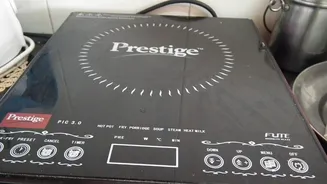
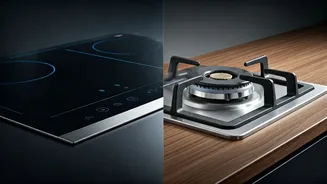
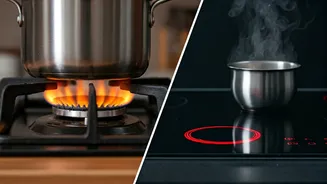
At its heart, an LPG stove operates by combusting liquefied petroleum gas to produce a visible flame. This heat is then transferred to the cooking vessel placed above it. However, this process is inherently inefficient, with a substantial amount of heat escaping into the surrounding atmosphere, thereby wasting energy. In contrast, an induction cooktop employs a different principle altogether. It utilizes electricity to generate a dynamic magnetic field. When a compatible pot or pan is placed on the surface, this magnetic field directly induces heat within the cookware itself, minimizing energy loss and leading to a much more efficient cooking experience. This fundamental difference in heat generation and transfer accounts for significant variations in energy consumption and cost.
The Economics of Heat
When we dissect the costs, a typical domestic LPG cylinder, containing approximately 14.2 kilograms of gas, currently hovers between Rs 900 to Rs 1,100 in many Indian cities, a price point influenced by subsidy status and regional variations. This cost is compounded by the fact that LPG stoves are only about 55% efficient, meaning nearly half of the energy generated is lost. On the other hand, electricity tariffs for residential users across many Indian states typically range from Rs 4 to Rs 8 per unit. Induction cooktops boast superior efficiency, channeling a far greater percentage of the consumed electricity directly into heating the cookware. For a household that cooks for 2-3 hours daily, the transition to induction could potentially lead to monthly savings ranging from Rs 180 to Rs 1,098, a figure directly tied to the prevailing local electricity rates.
Studies Favoring Electric
Numerous analytical studies lend credence to the economic advantages of electric cooking. For instance, research conducted by the Institute for Energy Economics and Financial Analysis indicated that non-subsidized LPG can be approximately 37% more expensive than cooking with electricity. Their estimates for a typical urban family suggested annual cooking expenses of around Rs 5,844 for electric cooking, compared to Rs 8,024 for non-subsidized LPG. It is important to note, however, that for households benefiting from government subsidies on LPG, particularly under specific schemes, the traditional gas option might still present a lower immediate cost.
Why LPG Persists
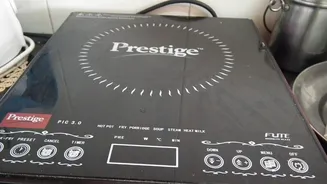
Despite the compelling financial arguments for induction cooking, several practical considerations ensure LPG's continued popularity. A primary concern is the inherent dependence on electricity, which can be unreliable in regions experiencing frequent power outages, thus rendering electric cooking impractical. Furthermore, the nuanced control offered by an LPG flame is highly valued for traditional Indian culinary techniques such as making rotis, tempering spices (tadka), or charring ingredients. Beyond operational aspects, the initial investment for induction cooktops, ranging from Rs 2,000 to Rs 4,000 for basic models, contrasts with the fact that many households already possess gas stoves. Additionally, induction cooking necessitates the purchase of specific cookware with magnetic bases, adding another layer of expense to the transition. Therefore, while induction typically emerges as more cost-effective in the long run, especially with low electricity tariffs and absent LPG subsidies, LPG remains a viable and preferred choice for those who receive subsidies or face high electricity costs.