
The Growing Concern
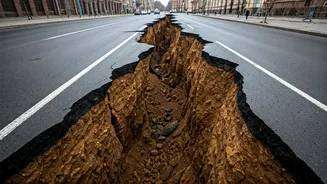
The issue of ground instability is becoming an increasingly pressing concern in several major Indian cities. This phenomenon, which includes land subsidence
and potential ground collapse, poses a significant threat to infrastructure and the safety of residents. Several factors, including rapid urbanization, unsustainable construction practices, and environmental changes, contribute to this escalating problem. The potential consequences of this ground instability are severe, including damage to buildings, disruption of essential services, and increased risk of geological hazards. Understanding the warning signs and the underlying causes is crucial for addressing this critical issue, protecting lives, and ensuring sustainable urban development. It is important to stay updated with local geological surveys and listen to government issued public safety alerts, in order to keep safe.
Identifying the Risks
Recognizing the warning signs of ground instability is a critical step in mitigating potential risks. Cracks appearing in buildings, roads, and other infrastructure are among the most visible indicators. Uneven settlement of structures, where parts of a building sink or tilt, also suggests underlying ground movement. Furthermore, the formation of sinkholes, which are sudden depressions in the ground, represents a clear and immediate danger. Changes in water levels, such as the appearance of new springs or wells drying up, can indicate shifts in subsurface conditions. Unusual tilting of trees, utility poles, or other vertical structures also serve as warning signs. Additionally, increased frequency of landslides or mudslides in the area may also indicate that the ground is shifting. Immediate action is needed when any of these signs is observed, requiring professional assessment and, if necessary, implementing stabilization measures to safeguard lives and property.
Underlying Causes Explored
Several interconnected factors contribute to the ground instability issues observed in Indian cities. Rapid urbanization, resulting in increased construction and infrastructure development, places immense pressure on the land. Excessive groundwater extraction further weakens the soil structure, leading to subsidence. The geological composition of the areas, with specific soil types, can make them inherently vulnerable to instability. Additionally, inadequate drainage systems and poor water management exacerbate the problem. Deforestation and changes in land use patterns also have adverse effects on soil stability. Climate change-related factors, like increased rainfall intensity, can trigger landslides and accelerated erosion, further contributing to ground collapse. Comprehensive understanding of these combined factors is essential for developing effective strategies to mitigate and adapt to the challenges of ground instability in these cities.
Impact and Consequences
The consequences of ground instability can be far-reaching and severely impact urban life. Damage to buildings and infrastructure is a primary concern, leading to costly repairs and potential displacement of residents. Disruption of essential services like water supply, sewage systems, and transportation networks can hinder daily activities and pose serious public health risks. The risk of geological hazards, such as sinkholes and landslides, poses significant safety threats. Furthermore, ground instability can lead to economic losses by decreasing property values, increasing insurance costs, and disrupting commercial activities. The environmental impact is also notable, including damage to ecosystems and increased flooding risks. The social ramifications involve displacement, decreased quality of life, and potential community disintegration, underscoring the pressing need for comprehensive strategies to address ground instability's diverse impacts.
Mitigation and Prevention
Effective mitigation and preventative measures are essential to address the challenges of ground instability. Implementing stricter building codes and construction practices that consider ground conditions is crucial. Sustainable urban planning involves managing land use and controlling development in sensitive areas. Regulating groundwater extraction and promoting water conservation practices can help stabilize the soil. Improving drainage systems and implementing effective flood management strategies is also essential. Investing in infrastructure upgrades that can withstand ground movement, such as flexible pipes and reinforced foundations, can further protect critical resources. Regular monitoring of ground conditions, using advanced technologies like satellite imagery and ground sensors, allows for early detection of potential issues. Educating residents and the public about the risks and the importance of reporting any warning signs empowers communities to play an active role in mitigation efforts. Collaboration among government agencies, urban planners, engineers, and the public is vital for ensuring long-term sustainability and resilience in these cities.