







The Deceptive Calm
Consider the case of Rajesh Mehta, a 52-year-old from Pune, who diligently managed his diabetes. Despite regular medication, controlled diet, and frequent
doctor visits, he developed alarming symptoms: swollen ankles and breathlessness. A cardiologist diagnosed early-stage heart failure, followed by a nephrologist confirming chronic kidney disease. Rajesh was perplexed, his well-managed blood sugar levels seemingly unrelated to these severe organ issues. This scenario underscores a critical reality: chronic illnesses, especially diabetes, often trigger a cascade of interconnected problems that extend far beyond the initially diagnosed condition, highlighting the limitations of treating organs in isolation.
Organ Interdependence Revealed
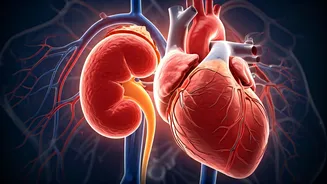
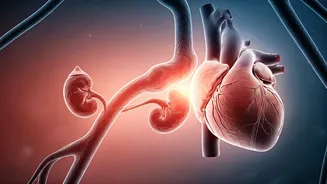
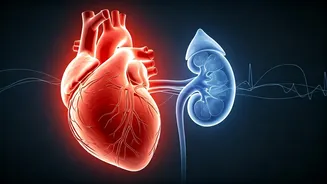
For years, medical practice compartmentalized the body, assigning organs to specific specialists. However, contemporary medical understanding reveals a profound interconnectedness between organs like the heart, kidneys, and pancreas. They function as a cohesive unit, constantly communicating. When one organ falters, the others are rarely spared. This holistic view, often termed the cardio-renal-metabolic axis, is paramount for managing chronic diseases, particularly in nations like India, where diabetes, cardiovascular ailments, and kidney disorders are on a steep rise simultaneously. Recognizing this link is no longer a choice but an absolute necessity for effective healthcare.
The Silent Chain Reaction
In Rajesh’s case, years of persistently high blood sugar silently corroded his blood vessels. The kidneys, tasked with filtering immense volumes of blood daily, gradually lost their optimal function. This decline led to the accumulation of waste products and excess fluid within his bloodstream. Consequently, his heart was compelled to exert more effort to circulate blood through an increasingly compromised vascular system. Concurrently, metabolic imbalances instigated inflammatory and hormonal responses that further burdened both the heart and kidneys, demonstrating that what appeared as distinct illnesses were, in fact, interconnected manifestations of a systemic breakdown.
Diabetes' Wider Impact
The intricate connection begins with diabetes. Prolonged hyperglycemia inflicts damage across the entire vascular network. Kidneys, handling approximately 180 liters of blood daily, are exceptionally susceptible to this damage, often leading to chronic kidney disease. As their filtration capacity wanes, toxins and surplus fluid build up, elevating blood pressure within the circulatory system and forcing the heart to work overtime. This significantly escalates the risk of heart failure, heart attacks, and strokes. The pancreas, a central player in metabolic regulation, orchestrates blood sugar control via insulin. When this equilibrium is disrupted, as in Type 2 diabetes, it triggers hormonal and inflammatory reactions that adversely affect kidney and cardiovascular function, creating a domino effect across vital organs.
Integrated Care Matters
Rajesh's health turnaround occurred when he transitioned to an integrated cardiometabolic clinic, a forward-thinking healthcare model. Instead of fragmented consultations, he underwent a comprehensive assessment that examined the interplay of his conditions. Specialists collaboratively reviewed his case, making joint treatment decisions. Medications were updated based on emerging evidence showing certain modern diabetes therapies also protect heart and kidney function. His diet was modified to alleviate strain across all three systems, and exercise plans were tailored to his cardiac tolerance, metabolic stability, and kidney health. He was no longer fighting three separate diseases but managing one unified, interconnected condition.
The Power of Early Screening
The prevailing fragmented approach to chronic disease management can be detrimental. A cardiologist might focus solely on heart function, overlooking early kidney damage, while an endocrinologist might prioritize blood sugar control without fully assessing cardiovascular risks. Therefore, implementing screening processes specifically designed to detect kidney problems early in diabetic patients, with the patient at the center of care rather than the individual disease, is crucial. Treatment plans must also consider the multi-organ impact of medications. Fortunately, newer diabetes treatments are showing promise in benefiting related conditions, underscoring the shift towards integrated, preventive, and patient-centered care models. Early screening for blood pressure, blood sugar, and kidney function, coupled with lifestyle modifications, can significantly reduce the burden on the entire cardio-renal-metabolic system.