

From IT to Kitchen
Arati Naik, heir to a significant IT business empire, embarked on an unexpected culinary path. Though destined to inherit her father's 500-crore company,
a passion for her roots led her to explore her grandmothers' traditional Karwari recipes. Initially helping in the kitchen during childhood summers in Karwar, this early exposure sparked a lifelong fascination with food. After a successful career in business, where she managed operations for a prominent IT networking firm, a shift occurred around 2018. Inspired by the burgeoning supper club scene and platforms connecting home chefs with diners, Naik began sharing her grandmother's authentic Karwari dishes from her Mumbai apartment. This personal venture marked the beginning of her mission to preserve and promote a cuisine often overlooked, setting her apart from her corporate destiny.
Culinary Exploration Abroad
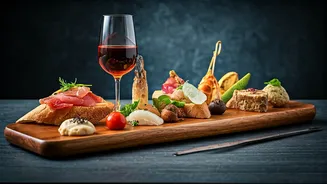
Arati Naik further honed her culinary skills by enrolling in a four-and-a-half-month certification program at the prestigious Leiths School of Food and Wine in London. This formal training was intended to be followed by an internship at a restaurant, a plan that was ultimately disrupted by the onset of the global pandemic. Forced to relocate to Goa with her parents, Naik found herself at a crossroads. With Goa's hospitality sector experiencing a boom, she considered opening a restaurant. However, recognizing the widespread familiarity with Goan cuisine, she pivoted her focus towards another childhood fascination: Spanish tapas bars. The concept of enjoying small, varied dishes with a drink resonated with her, and she saw parallels with the coastal flavors and history of Goa, prompting her to envision a Spanish-Portuguese tapas bar.
Isabella's Tapas and Karwari
This vision materialized with the establishment of Isabella's Tapas Bar in Panaji, which opened its doors in September 2022. More than just a restaurant, Naik sees Isabella's as a vessel for introducing Karwari cuisine to a broader audience. She is recognized as a key custodian of this unique regional culinary tradition, which differs significantly from its Goan counterpart in its ingredients, chilies, and souring agents. To further this mission, Naik has authored a cookbook titled ‘Jev,’ compiling cherished recipes from her mother, aunts, and grandmother, aiming to demystify Karwari food by presenting it as the everyday fare enjoyed in any Karwari household, rather than a niche community-specific cuisine.
A Taste of Karwar
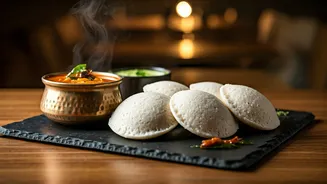
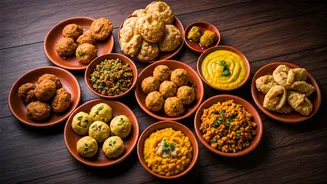
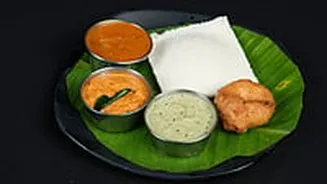
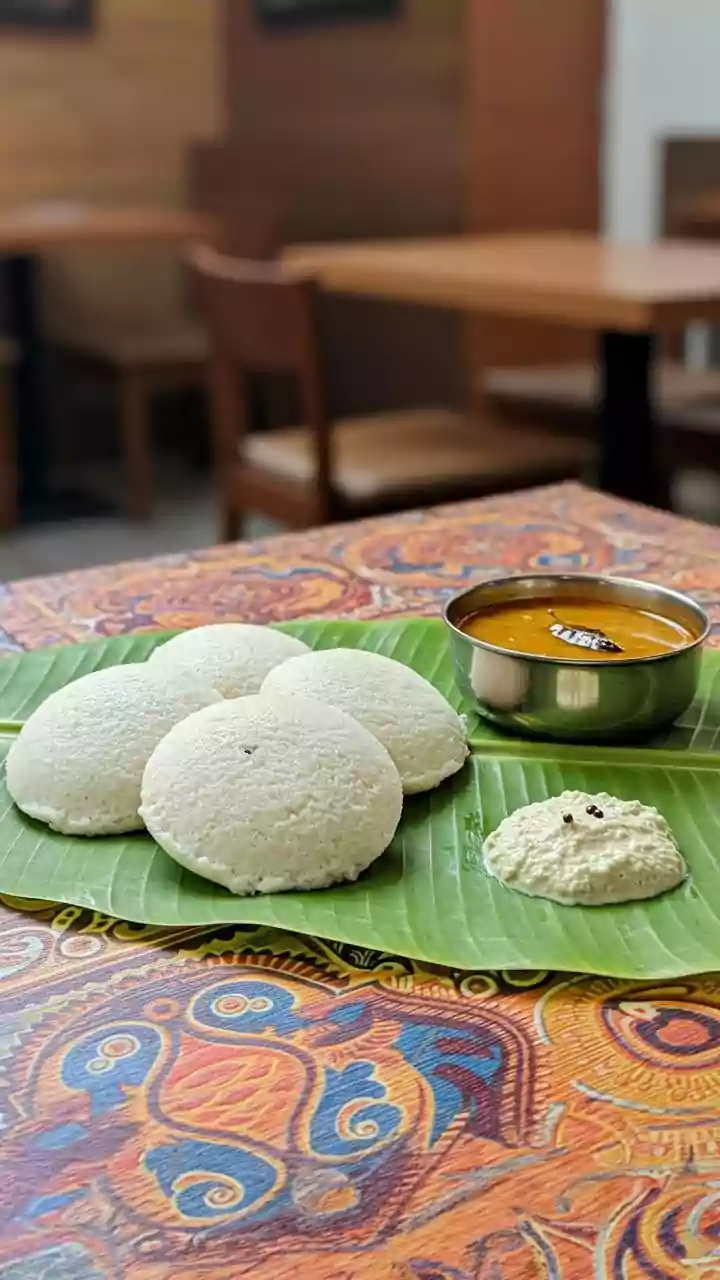
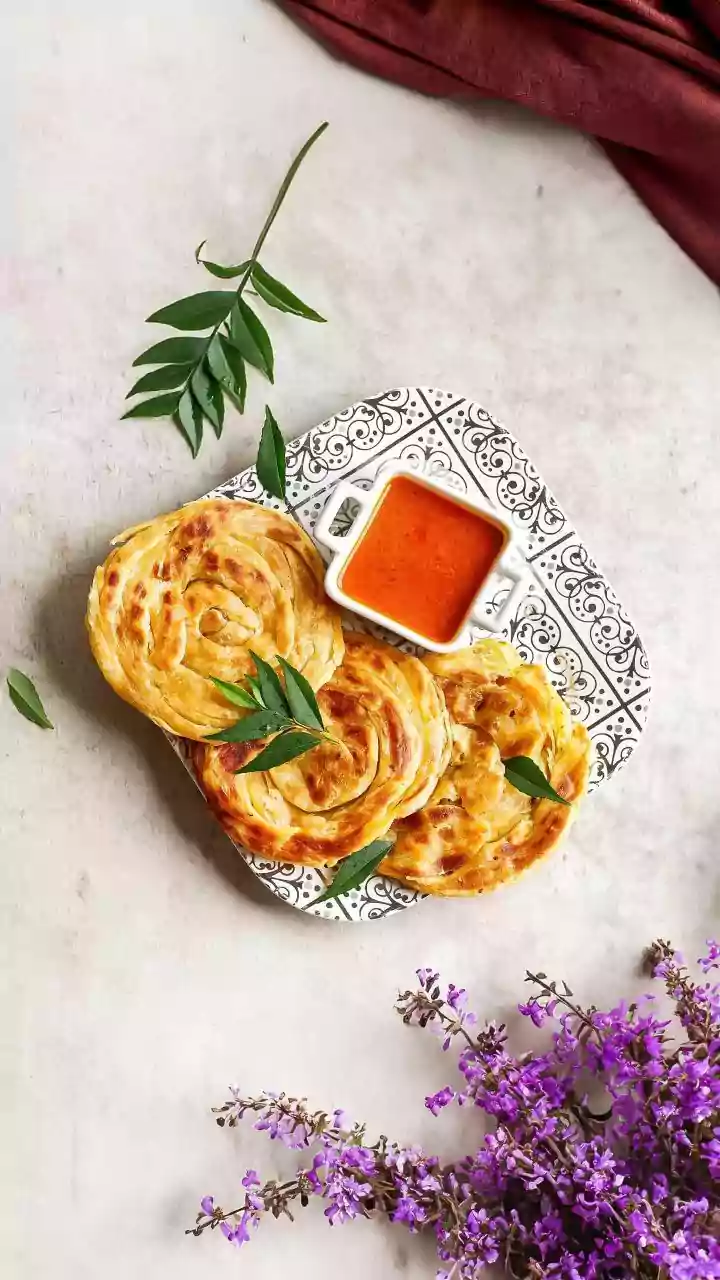
Naik's supper clubs offer a structured, course-wise tasting menu that provides an immersive experience of Karwari flavors. Early offerings might include an array of chutneys, pickles, and 'kismores' of smoked mackerel. A traditional festival dish, chicken xacuti, is often served with dosa, followed by seafood preparations like 'tesray sukkhe' (clams cooked dry) and 'dhabdhabe.' These dishes are meant to be enjoyed with various accompaniments such as 'polle' (a type of pancake), 'bhakri,' or chapati. Rice is typically served after the main seafood course, leading to the simple yet comforting 'dali toyi,' a thin lentil preparation. The meal concludes with 'solkadi,' a refreshing drink made from dried mango and coconut, served with rice. Naik emphasizes that even vegetarian thalis are thoughtfully curated, focusing on retaining the natural crunch of vegetables rather than overcooking them, thereby enhancing the overall dining experience through attention to heat, texture, and timing.
Prawn Dhabdhabe Recipe
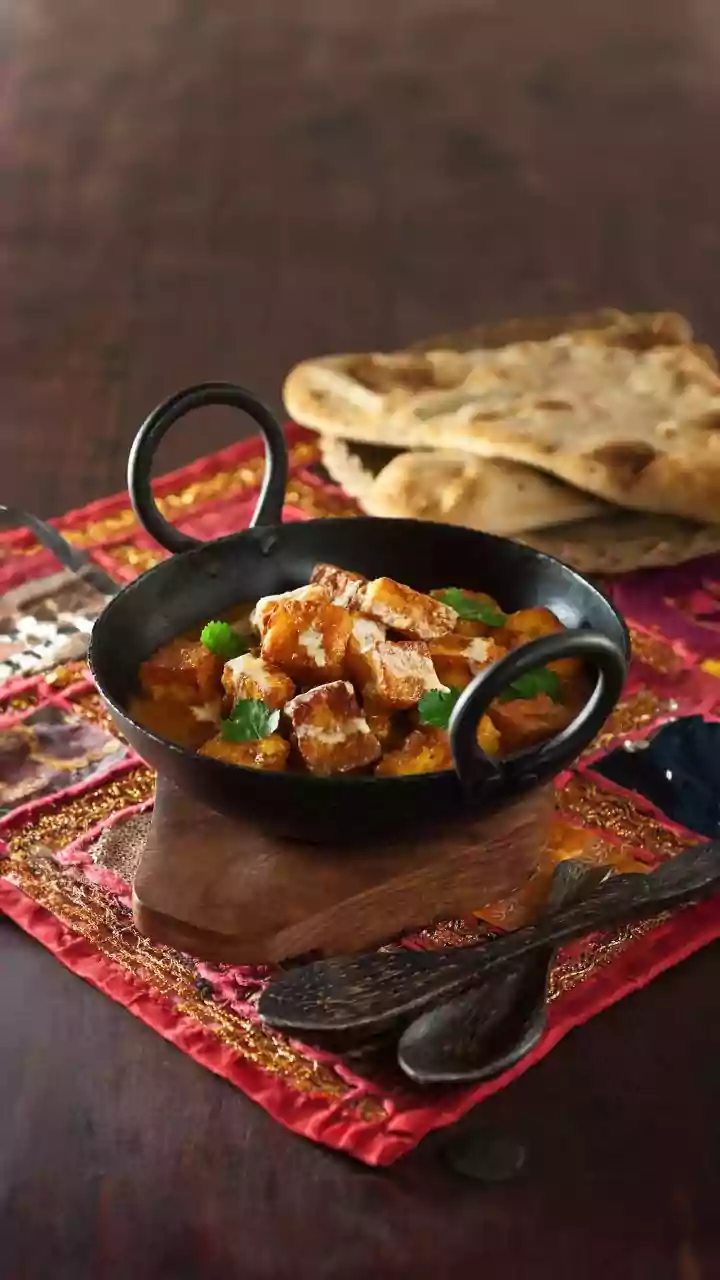
A signature dish reflecting the nuanced flavors of Karwari cuisine is Prawn Dhabdhabe, a comforting, coconut-based prawn curry. To prepare this delicacy for 4-5 servings, begin by heating 2 tsp of coconut oil in a pan. Sauté 2 finely chopped medium onions until translucent, then add 1 tbsp ginger-garlic paste, 1 finely chopped green chili, and a pinch of salt, cooking until the raw aroma dissipates. Stir in 2 tsp homemade garam masala, 1 tsp coriander powder, and 2 tsp Kashmiri chili powder, sautéing for about 30 seconds. Add 1 finely chopped medium tomato and cook until pulpy, adding a little water if needed until oil separates. Introduce 300 gm of cleaned and deveined medium-sized prawns and cook on high heat until nearly done. Reduce the heat, pour in 1 cup of coconut milk, add salt to taste, and simmer briefly without overcooking. Garnish with fresh coriander and serve hot with soft dosas or steamed rice.