






Mandatory Morning Recitation
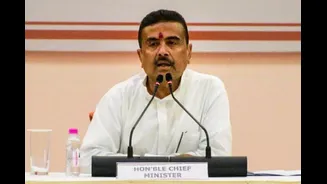
In a significant shift for educational institutions across West Bengal, the newly formed BJP government, under the leadership of Chief Minister Suvendu
Adhikari, has issued a directive making the national song 'Vande Mataram' a mandatory component of the daily morning assembly. This order supersedes any previous guidelines, emphasizing that students in all government schools under the Department of School Education must now sing the entirety of the six-stanza song before the commencement of academic classes. This immediate implementation underscores the government's intent to elevate the song's presence within the daily routine of students, aiming to foster a stronger sense of national pride and historical connection through this act of collective recitation.
Historical Significance and Political Discourse
'Vande Mataram,' a powerful anthem composed by Bankim Chandra Chattopadhyay, carries immense historical weight as a rallying cry for Indian freedom fighters during the struggle against colonial rule. Its resurgence in political discourse, particularly leading up to state elections, highlights its enduring symbolism. The central government's February decision to grant 'Vande Mataram' an equal footing with the national anthem, 'Jana Gana Mana,' further amplified its national importance, mandating its performance at all government and school functions. This move coincided with celebrations marking the song's 150th anniversary, featuring a notable parliamentary debate and events designed to honor its legacy, originally published in Sanskrit within the 1882 novel 'Anandamath.'
Debates on Song's Full Stanzas
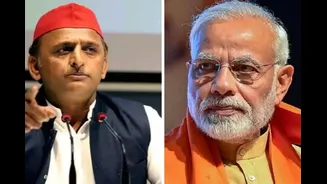
The significance of 'Vande Mataram' has also been intertwined with debates concerning its full six stanzas, particularly the inclusion of verses referencing goddess Durga. The BJP has previously contended that the Congress party's decision to limit the song to its initial two stanzas in 1937 was an attempt to appease certain communal sentiments by omitting these specific lines. Prime Minister Narendra Modi has publicly stated that this partial rendition sowed the seeds for the country's partition, arguing that the removal of these verses represented an injustice against a fundamental aspect of nation-building. This perspective suggests that the divisiveness present in 1937 continues to pose challenges to national unity today, making the full recitation of the song a matter of national historical interpretation.
National Song in Public Sphere
The prominence of 'Vande Mataram' extends beyond educational settings and has been a subject of public discussion, as seen in a recent controversy during a Chief Minister's oath ceremony in Tamil Nadu. The inclusion of the national song in its entirety before the national anthem at an event in Chennai drew criticism from the DMK party, with its mouthpiece describing the act as disrespectful to the local culture. This incident underscores the varied interpretations and sensitivities surrounding the performance of national symbols in public life, highlighting how the singing of 'Vande Mataram' can evoke strong reactions and become a focal point for political and cultural debates across different regions of India.