






Smooth Driving Habits
Embracing a more deliberate approach to driving can significantly impact your fuel consumption. Accelerating gently, rather than with abrupt bursts of
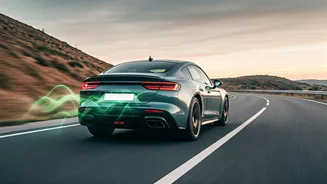
power, prevents unnecessary strain on the engine and conserves fuel. Similarly, anticipating stops and braking gradually allows your vehicle to decelerate using its own momentum, minimizing the need for hard braking and subsequent re-acceleration. Maintaining a steady speed on highways, often facilitated by cruise control, further enhances efficiency by avoiding the constant adjustments that occur with manual speed regulation. Avoiding excessive idling, where the engine runs while the vehicle is stationary, is also a key tactic; if you anticipate being stopped for more than a minute, it's often more fuel-efficient to switch off the engine. These simple adjustments, when consistently applied, contribute to a noticeable reduction in fuel usage over time and extend the life of your vehicle's components.
Optimize Tire Pressure
Ensuring your tires are properly inflated is a surprisingly effective method for saving fuel and enhancing safety. Underinflated tires create more friction with the road surface, forcing your engine to work harder and consume more fuel to maintain speed. This increased resistance can lead to a significant drop in your vehicle's miles per gallon. The optimal tire pressure is usually indicated on a sticker found inside the driver's side doorjamb or in your owner's manual; it's crucial to check this regularly, especially with changes in temperature, as pressure can fluctuate. Regularly inspecting your tires for wear and tear and replacing them when they reach their wear indicators will also contribute to better fuel economy and reliable performance.
Reduce Vehicle Weight
The principle of physics dictates that a lighter vehicle requires less energy to move. Therefore, decluttering your car by removing unnecessary items can contribute to improved fuel efficiency. Think of your car as carrying extra baggage every time you drive with items stored in the trunk or passenger cabin that aren't needed for your current journey. Items like sports equipment, unused tools, or excess groceries add to the overall weight. Periodically emptying your vehicle of these non-essential burdens will directly translate to less fuel being burned. Even small reductions in weight, when accumulated, can make a difference, especially on longer trips or frequent commutes. This practice also helps maintain a cleaner and more organized vehicle interior.
Plan Your Routes
Strategic route planning is an overlooked yet powerful tool for fuel conservation. By taking a few moments to map out your journey before you depart, you can identify the most efficient paths. This involves avoiding congested areas, minimizing the number of stops and starts, and selecting routes that favor steady speeds. Utilizing navigation apps that offer real-time traffic updates can help you steer clear of unexpected gridlock, which often leads to prolonged idling and increased fuel consumption. Combining errands into a single trip whenever possible also reduces overall mileage and the associated fuel expenditure. A well-planned route not only saves fuel but also precious time, making your travel more predictable and less stressful.
Regular Vehicle Maintenance
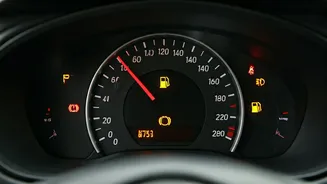
Consistent and thorough vehicle maintenance is fundamental to achieving optimal fuel efficiency. A well-maintained engine runs more smoothly and efficiently, consuming less fuel. This includes regular oil changes, as clean oil lubricates engine parts effectively, reducing friction and wear. Ensuring your air filter is clean is also vital; a clogged filter restricts airflow to the engine, forcing it to work harder. Similarly, keeping the spark plugs in good condition ensures efficient combustion. Regular tune-ups and addressing any unusual noises or warning lights promptly will prevent minor issues from escalating into costly repairs and maintain your car's fuel economy at its peak performance level.
Consider Aerodynamics
The way air flows around your vehicle, known as aerodynamics, plays a significant role in fuel consumption, especially at higher speeds. External attachments like roof racks, bike carriers, or even open windows can increase aerodynamic drag, forcing your engine to expend more energy to overcome resistance. For everyday driving, it's often best to remove any unused external carriers to reduce this drag. When driving at highway speeds, using your car's air conditioning system judiciously can be more fuel-efficient than driving with windows down, as open windows create considerable turbulence and drag. Paying attention to these external factors can subtly but effectively improve your car's fuel economy.
Fuel-Efficient Driving Techniques
Beyond smooth acceleration and braking, several other driving habits can significantly boost your fuel economy. For instance, avoiding aggressive driving, which includes rapid acceleration and hard braking, is paramount. This type of driving puts unnecessary stress on your engine and transmission, leading to increased fuel consumption. When possible, planning your trips to coincide with off-peak traffic hours can also make a substantial difference, as it allows for more consistent speeds and fewer interruptions. Additionally, understanding your vehicle's fuel consumption patterns through your car's onboard computer or by tracking mileage can provide valuable insights into areas where you can further optimize your driving. Practicing these techniques consistently will lead to more miles per gallon and reduced spending on fuel.