





Pune Airport Sees Decline
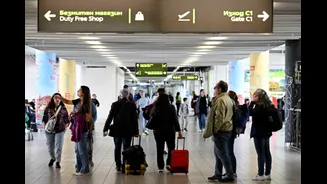
The Pune airport has recently observed a significant decrease in the volume of international passengers. While precise figures are still being compiled,
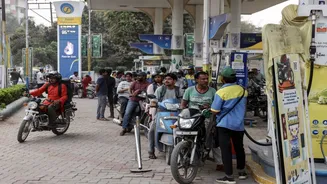
airport officials confirm a noticeable downturn in both international arrivals and departures. This trend is largely attributed to a confluence of factors, including escalating air ticket prices, apprehension about the consistent availability of jet fuel, and the broader economic downturn that naturally curtails non-essential spending. Furthermore, prevailing global geopolitical instability and the resultant uncertainty surrounding international travel have contributed to potential travelers reconsidering their plans. Airport authorities are closely monitoring this evolving situation, expressing optimism that passenger numbers will rebound as the global economic landscape stabilizes. This reduction in international transit could invariably impact the airport's financial performance and the diverse range of businesses operating within its vicinity. Consequently, airlines are also reportedly reassessing their flight schedules connecting to and from Pune in response to the diminished demand. Aviation regulators and key players in the tourism industry are keenly observing these developments.
Holiday Hopes Diminish
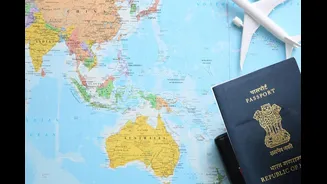
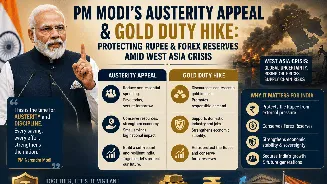
Summer holidays, typically planned months in advance by families eager to create lasting memories, are now clouded with apprehension. Reports of potential jet fuel shortages, particularly in Europe, alongside flight suspensions and Prime Minister Narendra Modi's advisories against foreign travel, have injected significant emotional strain into meticulously planned, often expensive, international vacations. For individuals like Dr. Kinjal Goyal, a health psychologist based in Pune, the impending departure for a long-planned trip to Denmark and Sweden, now just a week away, is marked by growing anxiety rather than excitement. This sentiment is echoed by many who find the prospect of travel more emotionally taxing than enjoyable, questioning the wisdom of proceeding with plans amidst such pervasive uncertainty. The desire for a restful escape is replaced by concerns about the journey itself, highlighting a shift in the travel experience from one of anticipation to one of stress.
Industry Grapples with Uncertainty
Officials from the International Air Transport Association (IATA) Agents Association of India acknowledge the palpable impact on international travel, which had seen a substantial resurgence previously. Biji Eapen, president of the association, elaborates that reduced demand for outbound journeys, coupled with soaring fuel costs, could precipitate a decline in passenger traffic, diminished international route availability, and financial pressures across the aviation, tourism, and hospitality sectors. He further anticipates a significant shift towards domestic travel or a deferral of leisure trips by families due to affordability issues and the prevailing unpredictability. Devendra Ghule, national treasurer of the same association and head of its Pune chapter, notes that while immediate cancellations are few, numerous inquiries and expressions of concern have arisen from individuals with pre-booked international itineraries. He adds that travelers are increasingly avoiding routes over the Gulf region due to the situation in West Asia, leading to a doubling of fares for direct flights, thus impacting the broader tourism segment, though travel to nearby destinations like Sri Lanka continues. Ghule predicts a rise in domestic travel popularity, while essential travel for conferences and weddings will likely persist.
The Fuel Surcharge Shadow
The prevailing economic climate and official advisories create a complex scenario for the aviation and tourism industries. Biji Eapen emphasizes that if the Prime Minister's suggestion to curtail non-essential international travel for approximately a year gains widespread public acceptance, the ongoing Gulf crisis and escalating fuel prices will intensify pressure on these sectors. Concurrently, he highlights a crucial need for stable and balanced domestic airfare pricing, which should be reflective of market conditions rather than an entirely deregulated system that permits excessive fare hikes during peak demand or disruptions. Eapen also points out a growing public disquiet in India regarding airlines’ practice of adding fuel surcharges and increasing fares when fuel prices rise, without corresponding reductions when prices fall. This persistent cost burden on passengers, who ultimately bear the brunt of fluctuating fuel expenses, is a significant point of contention. For many, like homemaker Richa Modak, travel is intended to be a source of rejuvenation and cherished memories, not a cause for constant worry about operational disruptions or fuel availability, transforming anticipated joy into a source of stress.
Anxiety Amplified
Beyond the immediate concerns of fuel and flights, broader anxieties contribute to the hesitating traveler. Dr. Kinjal Goyal points out that news of potential health threats, such as the Hantavirus scare, can exacerbate feelings of vulnerability, especially when one is far from home and familiar support systems. She identifies social media as a major amplifier of this anxiety, with a constant influx of alarming posts and speculative claims, many lacking verified information. Even mainstream media reports that lean towards possibilities rather than confirmed facts can fuel fear more than provide clarity. This pervasive ambiguity makes it exceedingly challenging for individuals to plan their journeys with calm or confidence, turning a simple holiday into an emotionally draining endeavor. The lack of official mandates to cancel travel means that immediate cancellations could result in financial losses and the forfeiture of months of planning, yet the inherent uncertainty surrounding the journey itself creates a palpable sense of unease.