






The Rise of Senior Living
Gurgaon is rapidly becoming the prime location for senior living solutions in Delhi-NCR, a trend fueled by a more affluent elderly demographic, supportive
government policies, and ample real estate availability. As a growing number of well-off seniors seek secure environments with specialized care, a variety of housing models are emerging. This shift is exemplified by individuals like Deepak Chatterjee, a 72-year-old former executive who chose a dedicated senior living project for peace of mind for both himself and his daughters. The increasing elderly population and the prevalence of nuclear families, where both spouses often work, have made these specialized residences highly attractive. Real estate experts and developers note that this market is poised for substantial expansion, offering choices ranging from independent living units and assisted care homes to interconnected communities designed for multiple generations.
Market Dynamics and Regulations
India's senior living market is projected for significant expansion, with an estimated value of approximately $4.47 billion in 2026 and a projected compound annual growth rate (CAGR) of 26% through 2031. The freehold model, where units are purchased outright, remains the most popular choice, accounting for over 62% of the market share, as buyers view these properties as appreciating assets. Institutional investors are increasingly focusing on senior living as a key growth area, driven by affluent buyers, including Non-Resident Indians (NRIs) seeking high-quality housing for their aging parents, who demand global standards in service and healthcare. This demand for quality is pushing developers to enhance their offerings. Regulatory frameworks are also evolving to support this sector. The National Accreditation Board for Hospitals and Healthcare Providers (NABH) has introduced specific accreditations for senior care homes, focusing on facility management, safety, health, hygiene, infection control, and resident engagement. Furthermore, the Haryana government has increased the Floor Area Ratio (FAR) for senior living colonies from 2.25 to 3.0, allowing developers to incorporate more medical and holistic care facilities without compromising on sellable residential space, thus boosting the commercial viability of these projects.
Independent Senior Residences
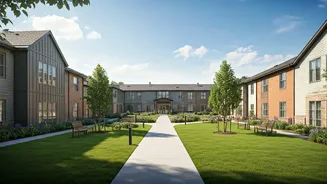
For seniors prioritizing independence coupled with convenience, dedicated independent residences offer an appealing solution. These projects are designed with the specific needs of older adults in mind, focusing on factors like location and accessible facilities. For instance, the Advait project in Gurgaon's Sector 50, developed by Pioneer Urban Estates, provides 164 two-bedroom units across four towers. Priced between Rs 3.5 crore and Rs 4 crore, these homes come with features mandated by a Haryana RERA senior living license, ensuring safety and accessibility. This includes anti-skid flooring, wider doorways for wheelchair access, ample space for maneuverability, and panic alarms. Bathrooms are equipped with grab bars, rounded corners, raised seats, and instant hot water systems. Advanced air filtration systems aim to maintain good indoor air quality even during periods of high pollution. On-site amenities are comprehensive, featuring a medical center with a pharmacy and consultation rooms, 24-hour nursing, resident doctors, and nutritionists. A large clubhouse offers spaces for wellness activities like acupressure paths and meditation gardens. The appeal for residents like the Chatterjees lies in the assurance of specialized life care and the desire to reduce the burden of caregiving on their children, ensuring peace of mind for all generations involved.
Specialized Care Homes
When continuous medical attention is required beyond what a family can typically provide, but short of full hospitalization, specialized care homes offer a crucial alternative. These facilities are designed for long-term stays where residents receive round-the-clock medical supervision and are typically charged on a monthly rental basis. Epoch, for example, operates four such assisted living homes in Gurgaon, focusing on specialized senior care, particularly for individuals with conditions like dementia. Their Mayfield Garden facility, established in 2024, accommodates 38 residents and is situated near a major hospital. Monthly tariffs at Epoch range from Rs 85,000 for twin-sharing rooms to Rs 2 lakh for highly personalized care plans, with an average of Rs 1.3 lakh per person. These facilities hold medico-assisted living licenses and are often considered after families have explored home care options. A significant portion of residents, around 45%, are from NRI families. The emphasis here is on personalized, person-centric care, tailoring plans to individual needs, especially for those with chronic neurodegenerative conditions. The living experience is often described as superior to home, with residents receiving meals and participating in activities according to their preferences and schedule.
Integrated Intergenerational Communities
Addressing the evolving preferences of seniors who desire interaction with younger generations, integrated intergenerational communities are gaining traction. These projects aim to foster a more dynamic living environment by blending senior living with standard residential offerings. Antara, the senior living division of the Max Group, has launched Estate 360 on the Dwarka Expressway, a prime example of this model. This approach acknowledges feedback from seniors who wish to have younger people around them, creating a more vibrant community. In such projects, different developers may construct distinct towers, allowing for a mix of residents. Antara has launched 1,400 units, with a significant portion already sold, and also manages around 200 care home beds across Gurgaon and Noida. Units in these communities are priced at a premium of 15-20% compared to standard residential properties in the vicinity. This premium covers specialized infrastructure such as wider corridors for wheelchair access, barrier-free designs, specialized electrical fittings, and enhanced lighting. A monthly maintenance fee, typically around Rs 10 per square foot, includes access to basic health services like doctor consultations, blood pressure and sugar checks, nurse support, and community engagement programs, ensuring comprehensive well-being and social interaction for all residents.