








Inflated Opening Weekend
In a revelation that sheds light on the often opaque workings of the Tamil film industry, it's reported that prominent stars are now engaging in a practice
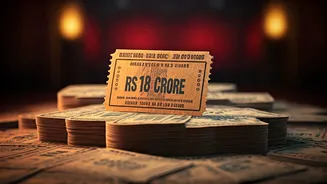
of purchasing substantial quantities of their own film's tickets. This strategic move, particularly concentrated during the crucial opening weekend, aims to artificially inflate box office collections. The reported figure for these self-funded ticket purchases by stars over the initial three days of a film's release is a staggering Rs 18 crore. This practice is employed to project an image of immense success, pushing films into coveted financial clubs, such as the Rs 100-crore grosser category, even when organic audience reception might not fully support such claims. The allure of a 'blockbuster' status, driven by these self-made numbers, is a powerful incentive in an industry increasingly reliant on perceived commercial viability to attract further investment and audience attention.
The Rise of Block Booking
The practice of 'block booking,' once primarily associated with the Hindi film industry, has now become a significant, albeit controversial, element within Tamil cinema. This involves filmmakers or their associates pre-purchasing large blocks of tickets, often through online platforms, to create an illusion of high demand and sold-out shows. As producer Dhananjayan elaborates, booking as many as 4,000 tickets for a single show can trigger trending status on ticketing applications, generating buzz and an impression of popularity. This artificial demand extends to movie stars themselves, who are said to invest around Rs 10 crore on the first day alone. While they may recover a portion of this investment, the effective promotional expense is significantly reduced, making it a calculated gamble to achieve impressive opening weekend figures that can easily surpass Rs 30 crore, thereby elevating a film's overall box office narrative.
Image Over Authenticity
The underlying motivation behind this surge in 'block booking' and 'corporate booking' is largely to construct and maintain a desirable image within the industry and among the public. The aspiration to have a film recognized as a 'Rs 100-crore blockbuster' drives actors, directors, and producers to collaborate on these artificial sales. This manufactured perception is then leveraged to attract genuine audiences, who may be swayed by the seemingly overwhelming popularity of a film. By creating an artificially generated demand, the industry attempts to circumvent the unpredictability of organic audience engagement, ensuring that films achieve a certain benchmark of success, at least on paper, regardless of their actual viewership. This tactic, while seemingly effective for short-term image building, raises serious questions about the long-term health and credibility of box office reporting.
Small Films Suffer
The repercussions of this widespread practice of inflated box office figures disproportionately affect smaller, independent films. Producers of these lower-budget movies are increasingly facing stringent conditions from theatre owners, who demand that they pre-purchase a significant number of tickets for their own screenings, often for multiple days, simply to secure showtimes. Multiplexes, too, are reportedly imposing similar stipulations, offering limited shows only if the producer guarantees the sale of a fixed number of tickets daily. This means that the focus shifts from actual audience interest to the logistical burden of ticket sales, irrespective of whether the seats are filled. Such demands place immense financial pressure on small producers, potentially stifling their ability to release their films and reach their intended audience in a fair and competitive environment.
Bollywood Precedent Set
The controversial trend of 'block booking' is not entirely novel, with its roots visible in the Hindi film industry. Film trade analyst Komal Nahta has openly criticized the practice, pointing to producer Dinesh Vijan as a pioneer who significantly scaled up such large-volume ticket purchases. Nahta has voiced concerns that this methodology, initiated with the intention of bolstering box office numbers, has inadvertently led to a widespread skepticism even towards genuinely successful films. He argues that by conditioning audiences and critics to expect inflated figures, the industry has eroded the credibility of what constitutes a true 'hit.' This, in turn, causes even commercially successful movies, including potentially 'genuine blockbusters,' to be subjected to doubt and scrutiny, thus undermining the very metrics of success they are designed to showcase.