





A Nostalgic Indulgence
During a recent interview, actor Emraan Hashmi shared a nostalgic detail from his school days in the 1980s, revealing that his primary lunch item was instant
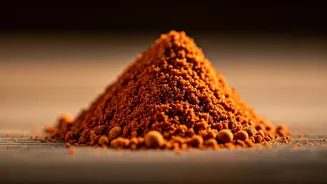
noodles. He fondly recalled carrying this popular snack in his 'dabba' (lunchbox), emphasizing the allure of its accompanying seasoning powder. This powder became so popular among his schoolmates that it led to a widespread habit of consuming the noodles plain, solely for the intensely flavorful seasoning, which he described as wonderfully 'chatpata' – a term for spicy and tangy. Hashmi confessed that this dietary habit, while memorable, was far from the healthiest choice for a growing child, highlighting a common childhood indulgence that many might relate to.
Health Concerns of Instant Noodles
While the taste of instant noodles might be appealing, their frequent consumption raises significant health concerns, as explained by Clinical Dietitian G Sushma. The primary issue lies in their high sodium content, which can detrimentally affect blood pressure over time. Furthermore, these noodles often possess low nutritional value, a contributing factor to the increasing rates of obesity. The abundance of capsaicin, the compound responsible for spiciness, can also lead to adverse effects like food poisoning if consumed in excess. Beyond these, the preservatives used in instant noodles can negatively impact heart health. The intense spice level, in particular, can irritate the digestive system, triggering problems such as acid reflux, indigestion, and diarrhea. For individuals with pre-existing conditions like ulcers or Irritable Bowel Syndrome (IBS), the spice can exacerbate symptoms and, in some cases, lead to allergic reactions or a psychological addiction to spicy flavors.
Crafting Healthier Noodle Meals
To make instant noodles a less detrimental choice, dietitians suggest adopting smarter preparation methods. A key recommendation is to significantly reduce or completely omit the included spice packet, thereby lowering sodium intake. It's also advised to steer clear of additional spicy toppings like chili oil or fresh chilies, as these only amplify the heat and potential digestive distress. Instead, to create a more balanced meal, individuals can incorporate fresh vegetables and a source of lean protein into their noodle dish. This approach helps to dilute the intensity of the seasonings and adds essential nutrients, transforming a typically unhealthy snack into a more wholesome option. This modification allows for a more mindful consumption of instant noodles, mitigating some of their inherent drawbacks while still offering a degree of enjoyment.
Frequency and Who Should Avoid
Experts strongly advise against making instant noodles a regular part of one's diet, as consistent consumption is linked to various health issues including heart disease, certain cancers, diabetes, and elevated blood pressure. Ideally, these noodles should be consumed sparingly, perhaps only two to three times a month. The focus should remain on whole, unprocessed foods like fresh fruits, vegetables, lean proteins, and healthy fats for overall well-being. Certain groups are particularly advised to avoid spicy instant noodles altogether. This includes children, whose developing digestive systems are more vulnerable; elderly individuals, who have slower digestion; and anyone diagnosed with gastrointestinal issues like Irritable Bowel Syndrome, ulcers, or gastritis, as the spice can worsen their conditions. Individuals with a low spice tolerance, pregnant women, and those with known allergies to the ingredients or a generally sensitive stomach should also abstain to prevent adverse reactions and discomfort.