






Wise Fruit Selections
When considering dried fruits for cardiovascular well-being, not all are created equal. Experts suggest prioritizing nuts such as almonds, walnuts, and
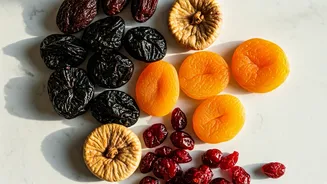
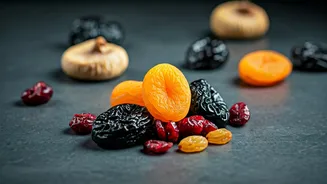
pistachios. These are packed with beneficial unsaturated fats, crucial fiber, and potent antioxidants that collectively contribute to a healthy heart and robust circulatory system. These healthy fats play a role in maintaining desirable cholesterol profiles. Additionally, small servings of naturally dried options like raisins and figs can be incorporated due to their valuable fiber and micronutrient composition. However, it's paramount to steer clear of dried fruits that have undergone extensive processing, including those heavily laden with added sugars, candied varieties, or excessive salt. These processed versions can significantly elevate sodium and sugar intake, potentially undermining your efforts to maintain heart health.
Natural Sugars & Spikes
Dried fruits naturally contain concentrated sugars, which necessitates careful consumption, especially for individuals managing diabetes or metabolic conditions. It's important to remember that even natural sugars are still sugars. To mitigate abrupt rises in blood glucose levels, it is advisable to consume dried fruits alongside nuts or after a meal, rather than on an empty stomach. This practice helps to slow down the absorption of sugars, promoting more stable blood sugar readings throughout the day and offering a more balanced nutritional intake.
Cholesterol & Blood Pressure
When integrated into your diet thoughtfully, dried fruits can indeed offer tangible improvements to key heart health markers. Specifically, walnuts and almonds are notable for their heart-healthy fat content, which has the potential to enhance cholesterol levels over time. Furthermore, certain dried fruits are rich in potassium, a mineral vital for blood pressure regulation. Raisins and apricots, for instance, can contribute to better blood pressure control due to their potassium density. It is crucial to understand that these benefits are achieved through consistent, moderate consumption, not by ingesting large quantities at once. Even the most beneficial foods can become detrimental if overconsumed.
Portion Control is Key
Adhering to recommended serving sizes is fundamental to reaping the benefits of dried fruits without encountering negative consequences. A safe daily intake generally involves a small handful of nuts, roughly 5 to 10 pieces, or about 1 to 2 tablespoons of dried fruit. Exceeding these portions can lead to an excessive calorie intake, which may contribute to weight gain – a recognized risk factor for heart disease. Many people tend to underestimate the calorie density of dried fruits, making mindful portioning an essential aspect of their incorporation into a heart-healthy eating plan.