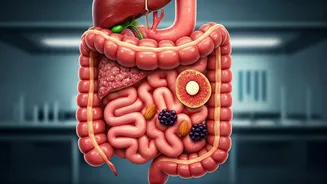









Protein Power Explained
Protein is an essential nutrient, vital for building and repairing tissues, producing enzymes and hormones, and supporting overall health. It plays a key
role in various bodily functions. The challenge lies in finding protein sources that are both nutrient-rich and gentle on the digestive system. Many common high-protein foods can be hard to digest, leading to discomfort. This article focuses on foods that deliver the protein your body needs while also promoting a healthy gut microbiome and ease of digestion. Choosing these foods can improve nutrient absorption, reduce inflammation, and improve energy levels, leading to a more vibrant and comfortable lifestyle. The goal is to provide a comprehensive view of protein choices that maximize both nutrition and digestive comfort, paving the way for better health.
Eggs: A Digestible Choice
Eggs are a fantastic source of high-quality protein, packed with essential amino acids needed for various bodily functions. They are also relatively easy to digest for most people, making them a great choice for individuals with sensitive stomachs. Eggs provide various nutrients, including choline, which is crucial for brain health, and vitamin D, which supports bone health. They are versatile, allowing for many cooking options. For those with digestive sensitivities, gently cooked eggs, like soft-boiled or poached, are usually the best option. Hard-boiled eggs can also be a good choice, as the cooking process alters the protein structure, making them easier to digest. Eggs are a great way to boost protein intake without causing digestive distress. Enjoy them as part of a balanced diet, reaping the benefits of their nutritional content while supporting overall gut health.
Lean Poultry Benefits
Lean poultry, such as chicken and turkey, offers a high protein content without excessive fats. It’s generally considered a good protein source for those with digestive sensitivities. Choose skinless options to reduce fat intake, further aiding digestion. Poultry is rich in B vitamins and provides essential nutrients that support energy production and various metabolic processes. Preparing poultry by baking, grilling, or steaming helps maintain its digestibility, avoiding added fats. Portion sizes should be considered to prevent overeating, which could strain the digestive system. Pairing poultry with easily digestible vegetables, like cooked carrots or zucchini, creates a well-rounded meal. Poultry is a good option for people seeking a protein-rich meal. It allows the body to benefit from essential nutrients without causing digestive discomfort.
Fish: Gut-Friendly Protein
Fish, especially white fish varieties like cod and tilapia, are excellent sources of protein. They're typically easy to digest and low in fat, making them gut-friendly. Fish offers omega-3 fatty acids, known for their anti-inflammatory properties, which can be beneficial for gut health. Opting for baked, steamed, or grilled fish maintains its digestibility. Avoid frying, which can add extra fats and make it harder to digest. Include fish in a diet to boost protein and omega-3 intake. It's a great choice for people with digestive issues. Careful preparation and portion control are important for ensuring optimal digestive comfort. The inclusion of fish in a balanced diet can support both overall health and improve digestive wellness.
Greek Yogurt's Perks
Greek yogurt stands out as a protein-rich food that supports gut health. It contains probiotics, beneficial bacteria that aid in digestion and boost gut microbiome health. The live cultures in Greek yogurt can improve digestion and nutrient absorption. It is also lower in lactose than regular yogurt, making it easier for those with lactose sensitivities to digest. When selecting Greek yogurt, choose plain, unsweetened varieties to limit added sugars, which can disrupt gut balance. Including Greek yogurt in your diet is a simple and effective way to increase protein intake while promoting gut health. Consuming Greek yogurt can improve digestive comfort and contribute to a healthier gut environment. For optimal benefits, consider it as a regular part of a balanced and gut-friendly diet.
Lentils: Plant-Based Power
Lentils are a nutritional powerhouse, providing a significant amount of plant-based protein alongside fiber, which is critical for digestive health. Fiber helps to regulate bowel movements and prevent constipation, enhancing the overall digestive process. Lentils are rich in iron, an essential mineral for energy production. When preparing lentils, proper cooking is crucial, as undercooked lentils can be harder to digest. Soaking lentils before cooking can also improve digestibility. Start with small servings to allow your digestive system to adapt to the higher fiber content. Lentils offer a sustainable and affordable source of protein. By including lentils in your diet, you support both gut health and overall well-being. Proper preparation and portioning ensures a smooth and beneficial digestive experience.