






Sudden Heat Surge
The Indian capital is currently experiencing a heatwave of an intensity rarely seen in April, with mercury levels consistently climbing above 40 degrees
Celsius. This abrupt escalation in temperature has caught both residents and public health officials by surprise. Medical professionals are sounding the alarm bells, highlighting the amplified dangers of heatstroke, severe dehydration, and other heat-related ailments. Certain demographics, including the elderly, young children, and individuals who work outdoors for extended periods, are at a significantly higher risk. This unseasonable and aggressive heat is believed to be influenced by a convergence of factors, notably climate change and existing meteorological conditions. Authorities are urging the public to adopt protective measures, ensure adequate hydration, and minimize prolonged exposure to direct sunlight. However, a noticeable deficit in appropriate public infrastructure and a general lack of widespread awareness regarding these extreme weather events have compounded the challenges, underscoring a critical need for improved preparedness strategies for future climatic shifts.
Body's Adaptation Struggle
Normally, summers in North India witness a gradual increase in temperature, allowing individuals' bodies to adjust over several weeks. However, this year's abrupt transition to extreme heat has bypassed this crucial acclimatization period, leaving people more susceptible to heat-related illnesses. Experts explain that when high temperatures arrive earlier than anticipated, the body's natural capacity to adapt to heat, a process known as heat acclimatization, is compromised. Typically, repeated exposure to heat over a span of days or weeks triggers beneficial physiological responses, such as earlier and more efficient sweating, a reduced heart rate under heat stress, and improved fluid and electrolyte management. This adaptive process usually takes about one to two weeks of progressive exposure. The sudden temperature spike, therefore, poses a greater danger as the body hasn't had sufficient time to initiate these protective mechanisms. This makes it harder for the body to regulate its internal temperature, leading to swift dehydration and the depletion of essential electrolytes, rendering even healthy individuals vulnerable to heat exhaustion and heatstroke.
Rising Patient Cases
The usual pattern sees hospitals beginning to receive patients suffering from heat exhaustion in late May and June, coinciding with the traditional start of the summer heatwave. Typical symptoms presented by these patients include profuse sweating, dizziness, headaches, nausea, and muscle cramps. However, this year has seen a distinct shift, with reports of such cases emerging as early as April. Doctors are observing patients presenting with severe dehydration, marked dizziness, and symptoms of heat exhaustion. What makes this early-season heat particularly perilous is the body's lack of preparedness. The intense heat experienced in April leaves insufficient time for the body to undergo its natural physiological adjustments, significantly increasing the probability of a rapid decline in health. This unprecedented situation is placing an immense strain on healthcare facilities and public health resources, highlighting the urgency of the situation.
Vulnerable Groups' Risk
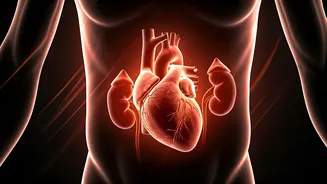
Certain segments of the population are disproportionately affected by the current heatwave, facing a heightened risk of heat-related ailments. These vulnerable groups include the elderly, young children, outdoor workers, and individuals with pre-existing heart or kidney conditions. Children, for instance, tend to lose body fluids more rapidly than adults, and their limited ability to articulate discomfort can delay critical medical intervention. For outdoor workers, prolonged exposure without adequate rest and hydration can lead to severe heat stress. The elderly may have reduced physiological capacity to cope with extreme heat, making them susceptible to heatstroke and dehydration. Similarly, individuals with chronic health issues can find their conditions exacerbated by high temperatures. It is imperative for these groups to take extra precautions, remain indoors during peak heat hours, and ensure consistent hydration to mitigate the severe health risks associated with this unseasonal and intense heatwave.