
Pink City's Introduction
Jaipur, known as the 'Pink City,' is the capital of Rajasthan, a state in northwestern India. The city's history is deeply rooted in the Rajput era, founded
in 1727 by Maharaja Sawai Jai Singh II. The name 'Pink City' originates from the practice of painting buildings pink to welcome Prince Albert in 1876. Today, the city is a blend of historical charm and modern development, attracting tourists from around the world. Jaipur's strategic location and well-preserved heritage make it a popular stop on the Golden Triangle tourist circuit, along with Delhi and Agra. The city's architecture, influenced by Rajput and Mughal styles, includes grand forts, palaces, and temples. Jaipur has evolved into a significant economic and cultural center, famous for its handicrafts, jewelry, and textiles. The city effectively showcases India's rich history, traditions, and vibrant culture. Visitors are also provided with a vibrant and memorable experience due to the city's lively ambiance and various attractions.
Amer Fort's Majesty
Amer Fort, a prominent landmark in Jaipur, is situated on a hilltop overlooking Maota Lake. The fort, constructed in the 16th century by Raja Man Singh I, exhibits a blend of Hindu and Mughal architectural styles. Its intricate carvings, massive courtyards, and elaborate interiors provide a glimpse into the opulent lifestyle of the Rajput rulers. Key features include the Sheesh Mahal (Mirror Palace), adorned with stunning mirror work, and the Diwan-i-Aam (Hall of Public Audience), where the king held court. Elephant rides are a classic way to reach the fort, offering a unique and memorable experience. The fort's strategic location provided defense, and the structure's grandeur is testament to Rajput military strength. The fort is well-maintained and attracts a high number of visitors, providing them a journey into the past. Amer Fort remains a symbol of Jaipur's rich heritage and a remarkable showcase of historical architecture.
City Palace's Grandeur
City Palace, located in the heart of Jaipur, showcases a combination of Rajasthani and Mughal architecture. Built by Maharaja Sawai Jai Singh II, the palace complex is a remarkable display of royal elegance. The palace features several courtyards, gardens, and buildings, including the Mubarak Mahal and the Chandra Mahal. The Mubarak Mahal, or 'Auspicious Palace,' houses a museum displaying royal costumes and textiles. The Chandra Mahal is a private residence, where the present royal family resides. The palace also has the Diwan-i-Khas, a hall for private audiences. Visitors will be captivated by the intricate details and fine craftsmanship, including the elaborate gates known as the 'Pritam Niwas Chowk.' These gates represent different themes of art and spirituality. City Palace effectively embodies the rich history and cultural heritage of Jaipur, providing visitors a glimpse into the lives of the rulers and the city's cultural heart.
Hawa Mahal's Charm
Hawa Mahal, or the 'Palace of Winds,' is an iconic structure in Jaipur, characterized by its unique facade with numerous small windows. Constructed in 1799 by Maharaja Sawai Pratap Singh, the palace was designed for the royal ladies to observe street life without being seen. Its pyramidal shape and distinctive pink sandstone construction give it a striking appearance. The windows, or 'jharokhas,' not only provided ventilation but also allowed the ladies to enjoy the outside world. The architectural design of the Hawa Mahal is a fusion of Rajput and Mughal styles. The palace provides an aesthetic experience and reflects Jaipur's rich cultural heritage. Its strategic placement on the main street of Jaipur made it easy for the royal women to observe festivals and other important events. Today, Hawa Mahal is a very popular tourist attraction, an iconic symbol of Jaipur and its regal past.
Local Market Exploration
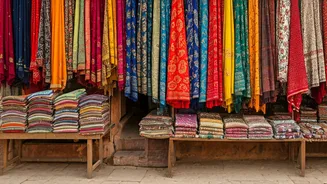
Jaipur's markets offer a vibrant shopping experience, showcasing the city's rich craftsmanship and cultural heritage. Johari Bazaar is the place to be for jewelry, from precious stones to traditional designs. Bapu Bazaar is popular for textiles, handicrafts, and local goods. For a wide variety of clothing, including Rajasthani attire and trendy designs, head to the Nehru Bazaar. Tripolia Bazaar is renowned for its lac bangles and traditional items. These markets not only provide shopping options but also immerse visitors in the lively local atmosphere, allowing them to interact with artisans and experience the local culture. Exploring Jaipur's markets is an excellent way to discover authentic products and take home unique souvenirs. These markets provide a comprehensive shopping experience and provide insight into local traditions, as well as the city's economic vitality.
Culinary Delights of Jaipur
Jaipur's cuisine offers a delightful journey through Rajasthani flavors, with rich, spicy, and aromatic dishes. Dal Baati Churma is a staple, comprising of baked wheat balls (baati), lentil curry (dal), and sweet dessert (churma). Laal Maas, a spicy meat curry, is another popular dish. For vegetarian options, try Gatte ki Sabzi, a flavorful curry made with gram flour dumplings, and Ker Sangri, a traditional vegetable dish. Jaipur’s street food is also a highlight, including Pyaaz Kachori and Mirchi Vada. Traditional sweets like Ghewar and Rabri are also not to be missed. The city's restaurants and street food stalls provide a diverse culinary experience that reflects Jaipur's cultural richness. Tasting Jaipur's cuisine is a must-do for visitors, who may discover the flavors of Rajasthan and gain insight into the city's food culture.
Planning Your Visit
When planning a trip to Jaipur, consider the best time to visit, which is during the cooler months, from October to March, for comfortable weather. Accommodation options range from luxury hotels to budget-friendly guesthouses. Jaipur is well-connected by air, rail, and road, making it easily accessible. Ensure you plan for transportation within the city, such as auto-rickshaws, taxis, or ride-sharing services. Exploring the city on foot will allow you to experience the markets and historical sites up close. It is recommended to book accommodations and transportation in advance, particularly during the peak tourist season. Consider the use of a local guide to gain deeper insights into the sites. With some preparation, visitors can easily explore the city's treasures, cultural experiences, and scenic beauty. Making informed decisions will help them plan a convenient and memorable trip to Jaipur.