
Warning: Gulf Nations
Iran's recent warning has placed significant pressure on several nations within the Persian Gulf. The core of this warning is the assertion that countries
that host US military bases are potentially vulnerable. The declaration highlights a notable shift in the dynamics of the region, emphasizing the complex geopolitical issues involved. This is set against a backdrop of ongoing diplomatic tension and increasing disagreements. The implications are wide-ranging, influencing security assessments, diplomatic talks, and strategic planning across the involved nations. The warning itself is a clear signal of Iran's position amid escalating concerns regarding regional stability, and it acts as a decisive assertion of Iran's viewpoint on the presence of foreign military bases in its proximity. The severity of the alert shows the intensity of concerns over security and strategy in the region.
US Bases Under Threat
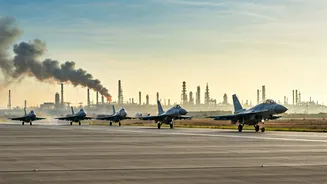
The main focus of the warning from Iran is the threat posed to US military installations located within Gulf countries. The message indicates these bases are now viewed as possible targets, a shift that is likely to create considerable concern among both US and regional military planners. The presence of US forces in the Gulf has long been a source of tension, and this statement significantly escalates that tension. The potential consequences of any action against these bases are very severe, which includes possible impacts on regional security, and the possibility of a wider conflict. The warning has resulted in increased security protocols, evaluation of existing defense strategies, and diplomatic efforts to address the emerging concerns. It's a clear indication of a more adversarial stance, potentially leading to further instability.
Escalating Regional Tensions
This recent warning should be seen within the framework of wider regional disputes that have been escalating over time. There's a web of intricate political dynamics and increasing disagreements in the Middle East, with various nations and groups vying for influence. The Iranian statement is a key event that has the potential to raise tensions higher, with risks of further instability. It also underscores the importance of diplomatic channels to solve these complicated challenges. The escalating tensions are particularly noticeable in regards to regional security, where mistrust and opposing interests play a significant role. With the situation becoming increasingly sensitive, careful management of the regional dynamics is critical to avoid any miscalculations or sudden escalations. Any actions can easily lead to a broader conflict.
Geopolitical Implications Unfold
The repercussions of Iran's warning stretch far, going beyond immediate security issues. The statement is certain to influence geopolitical strategies and diplomatic relations. It will likely shape discussions and actions undertaken by regional powers, and it may impact the involvement of international actors. Nations will need to adjust their foreign policies and security measures as they assess their own vulnerabilities and strategic alliances. Moreover, the alert could influence the global approach to the Middle East, adding to the complexities of international relations. The long-term implications are far-reaching, from how countries perceive each other to future plans for defense. All these aspects make Iran's warning a significant development in global politics, warranting careful observation and strategic thinking.