






Decoding Your Dashboard
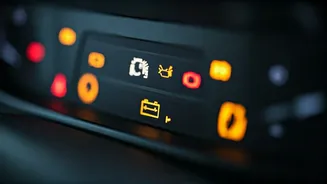
Your car's dashboard is equipped with a variety of warning lights that are designed to alert you to specific issues that might require immediate attention.
Each symbol has its own meaning and is linked to a certain system in your car, providing vital information about its operational status. Ignoring these lights could lead to more serious issues, potentially causing breakdowns or safety risks. So, understanding what each light signifies is an important aspect of being a responsible driver. This is also how you can get familiar with the common issues associated with your vehicle.
Engine Check Light
The engine check light, often shaped like an engine, is a general warning, signalling a problem with your car's engine. It could mean anything from a loose gas cap to a critical malfunction. If this light comes on, it is always a good idea to have your car checked by a mechanic as soon as possible. The check engine light can point to various problems, including issues with the emissions system, the catalytic converter, or even the engine's internal components. The longer you wait to address the issue, the more the problem can potentially worsen, leading to expensive repairs and even breakdowns. Addressing this light early on can prevent greater damage and maintain your vehicle’s optimal performance.
Oil Pressure Warning
This light usually looks like an oil can, and indicates low oil pressure. When this light illuminates, it signals that the engine is not getting sufficient lubrication, which is essential to reduce friction and heat. Low oil pressure can rapidly cause serious damage to engine components, potentially leading to complete engine failure. If the oil pressure light comes on, you should immediately check your oil level. Adding oil might solve the problem, but it is important to drive to a mechanic promptly to determine if there is an underlying issue that is causing the low pressure. Ignoring this light could result in very expensive repairs, or worse, a situation where the vehicle can't be operated at all.
Battery Light Alert
The battery light, which often looks like a battery, alerts you to problems with your car's charging system. This may signify a failing battery, an issue with the alternator, or a problem with the charging system. The battery powers all the electrical components, from the lights to the engine's ignition. If the light comes on, it suggests that the battery is not being charged, or there is an issue with the electrical system. Driving with the battery light on can leave you stranded, as the battery may eventually lose its charge. Have your charging system inspected to avoid this issue.
Brake System Warning
This light might display as the word ‘BRAKE’ or a symbol, and usually represents an issue with the braking system. It could indicate that the parking brake is engaged, or a low brake fluid level. Low brake fluid can indicate a leak in the brake lines, which reduces braking efficiency. If the brake warning light is on, inspect your brake fluid. Make sure to have it checked out by a professional, because faulty brakes could significantly increase the risk of an accident. Regular brake system maintenance is essential for your safety on the road. The brakes on your vehicle are a crucial part of the safety systems.
Temperature Warning Light
The temperature warning light is a gauge or symbol that looks like a thermometer, indicating your engine is overheating. Overheating can cause major engine damage, including warped cylinder heads and cracked engine blocks. If this light comes on, stop driving immediately and turn off the engine. Let the engine cool down and check the coolant level, as this could be the cause. Never remove the radiator cap when the engine is hot, as this could cause severe burns. This could be a very serious warning, so it should be checked out immediately. Seek help from a mechanic immediately if you are having issues.
Tire Pressure Warning
This light, shaped like a horseshoe with an exclamation point, alerts you to low tire pressure. Underinflated tires can reduce fuel efficiency, affect handling, and increase the risk of a tire blowout. Regularly check your tire pressure and inflate your tires to the recommended pressure found on the sticker inside your driver's side door or in your owner’s manual. Maintaining proper tire pressure is crucial not only for safety but also for the longevity of your tires and the overall performance of your car. The tire pressure light is there to alert you to an issue that, if ignored, could lead to potentially dangerous situations.