





Speedy City Connection
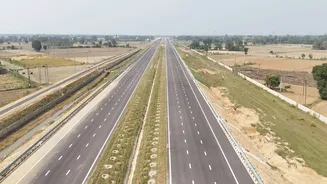
The long-awaited 63-km-long expressway linking Lucknow and Kanpur is on the cusp of becoming a reality, with its inauguration anticipated next month. This
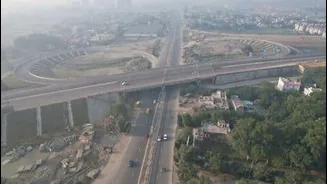
ambitious infrastructure project is poised to revolutionize inter-city travel, reducing the current journey time, which typically spans between 1.5 to 3 hours, to a mere 30 minutes. Designed as a six-lane corridor, the expressway aims to alleviate the traffic congestion frequently experienced by commuters on existing routes, particularly during peak hours. The total distance covered by this new link is approximately 90 km, with the expressway facilitating a much smoother and faster transit between the two major Uttar Pradesh cities.
The Toll Conundrum
Despite the significant reduction in travel time, the proposed toll rates for the Lucknow-Kanpur Expressway have become a focal point of discussion and concern. For light motor vehicles such as cars, jeeps, and vans, a one-way trip is projected to cost Rs 275, while a return journey within a 24-hour period will amount to Rs 415. Frequent travelers who opt for a monthly pass, covering 50 single trips, will face a charge of Rs 9,220. This stands in stark contrast to the current Rs 95 toll on NH-27 for a one-way journey. Furthermore, there are indications that the National Highways Authority of India (NHAI) might even consider increasing the existing toll on NH-27 once the new expressway becomes operational, adding to the financial considerations for commuters.
Engineering Marvels & Costs
Officials involved in the project have attributed the high toll rates to the extensive engineering and construction involved, which significantly escalated the project's cost. The expressway incorporates numerous complex structures, including multiple bridges, flyovers, and elevated sections, all designed to ensure the reduced travel time. Nakul Prakash Verma, Project Director at NHAI, highlighted that the toll rates are directly correlated with the project's investment, and the inclusion of features like a 10-km-long flyover and other substantial bridges contributed to the increased expenditure. The total cost for this 62.764 km project has reached Rs 3,700 crore, reflecting the scale and complexity of the undertaking.
Project Unveiled: Packages & Progress
The sprawling 62.764 km Lucknow-Kanpur Expressway project has been segmented into two distinct packages for its construction. The first package encompasses a 17.52-km stretch located within Lucknow district, characterized by a significant elevated portion. The second package covers the remaining 45.244 km, a greenfield stretch situated in the Unnao district. Work on the Lucknow segment commenced on February 2, 2023, with an initial completion deadline set for July 2025. In Unnao, construction initiated in November 2022, targeting a May 2025 completion. Currently, the Unnao section is fully completed, while approximately 2% of the work remains on the Lucknow stretch. The project timeline experienced some delays, notably due to the necessity of relocating a 400KV EHT electrical line of PGCIL at the Scooter India junction, a challenge that has since been resolved.
Key Infrastructure Elements
The engineering brilliance of the Lucknow-Kanpur Expressway is evident in its comprehensive infrastructure. This includes a substantial 10-km-long flyover within Lucknow, four major bridges constructed over water bodies or other obstacles, and one dedicated railway overbridge to ensure uninterrupted flow. The project also features a multitude of underpasses, providing passage for various types of traffic and pedestrians, with specific provisions for 13 underpasses for light motor vehicles, 11 for general vehicular traffic, and 11 for pedestrian use. Complementing these structures are five toll plazas strategically positioned along the route to manage traffic and collect fees.
Advanced Safety Features
Equipped with a state-of-the-art Advanced Traffic Management System, the expressway is designed to enhance safety and efficiency. This intelligent system is capable of automatically detecting vehicles exceeding the speed limit of 120 km/hour and issuing electronic challans. The system incorporates an array of modern surveillance and detection technologies, including 63 pan-tilt cameras for comprehensive coverage, 21 interchange cameras at key points, and 16 video incident detection systems to monitor traffic flow and identify anomalies. Two central control rooms, situated at the 27 km and 35 km marks, will provide real-time oversight. Officials anticipate that this integrated system will drastically reduce the response time to any mishap or accident, aiming for an efficient resolution within 10-15 minutes.
Varied Toll Structures
The tolling system for the Lucknow-Kanpur Expressway is structured to accommodate different vehicle types and usage patterns. For light commercial vehicles, such as light goods vehicles or mini buses, a single journey is priced at Rs 445, with a return trip costing Rs 670. Monthly passes for these vehicles, allowing for 50 single trips, are available for Rs 14,890. Larger vehicles like buses and trucks will incur a higher toll, with a single journey costing up to Rs 935 and a return journey priced at Rs 1,405. Vehicles with seven or more axles will face the highest charges, with a single trip costing Rs 1,785 and a round trip within 24 hours amounting to Rs 2,680.