





A Respite for Scholars
Within the venerable walls of the People's Free Reading Room and Library in Dhobi Talao, South Mumbai, a unique transformation is evident. Rows of antique
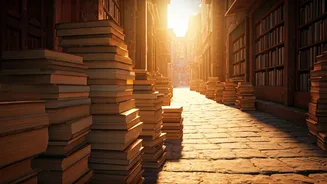
bookshelves, filled with a vast collection of books that largely remain undisturbed, now stand in contrast to the modern scene of students engrossed in their academic textbooks and laptops at long, polished wooden tables. This 181-year-old establishment, originally founded as the Bombay Native General Library in 1845 and supported by esteemed philanthropists, now functions primarily as a tranquil sanctuary away from the city's ceaseless clamor. Visitors flock to this quiet corner not to delve into its own literary riches, but to find a peaceful environment for their personal studies. The library's extraordinary collection, including prized editions of the Shahnama in French and Persian, alongside historical illustrated copies of Punch magazine, consequently gathers dust, a silent testament to shifting reader preferences and the digital age.
Shifting Reader Habits
Librarian Gulshan F Cooper, who has dedicated 46 years of her career to the People's Free Reading Room, observes a significant evolution in how the institution is utilized. The space, which once operated as a lending library, is now predominantly employed as a reading room. The vast majority of patrons arrive with their own study materials, utilizing the serene atmosphere for academic pursuits. Cooper notes a palpable decline in the engagement with the library's own collection, attributing this change to the pervasive influence of digital information. She reflects on the common sentiment voiced by visitors: 'Madam, when we get ready information on mobile, why should we go through books?' This sentiment underscores a broader societal shift, impacting not only the library's engagement but also its very purpose and relevance in contemporary society, leading to a substantial reduction in its book holdings from over one lakh volumes to approximately 19,000 due to the deterioration of older stock.
Financial Resilience Efforts
The library's historical journey includes a relocation from Fort to Dhobi Talao after a fire in 2000 necessitated the permanent transfer of its collection. In an effort to secure its future, the institution launched public appeals for funding, first in 2018 seeking over Rs 1 crore for restoration and ongoing operations, and again during the challenging Covid-19 pandemic to stave off closure. While these fundraising initiatives proved successful in generating funds for essential repairs and maintenance, they unfortunately did not translate into a resurgence of library memberships or a renewed interest in its vast literary holdings. The economic model has also been recalibrated, with a 'students' corner' offering access for Rs 500 per month, a more accessible option than the life membership priced at ₹10,000, which has seen minimal uptake due to current economic pressures and high living costs. This financial recalibration highlights the ongoing struggle to balance preservation and operational costs with dwindling readership and donation streams.
A Legacy in Peril
The continued operation of the People's Free Reading Room and Library relies heavily on student patronage and sporadic donations. While the library is accessible to readers from 9 am to 7 pm on weekdays and until 1 pm on Sundays, the need for additional funds to provide fair compensation for employees remains a pressing concern for Cooper. The rising costs of paper and books, coupled with reduced interest rates affecting income, further exacerbate the financial strain. Although new books continue to be added to the collection through donations, including Gujarati titles from the Maharashtra Gujarat Sahitya Academy and contributions in English, Hindi, and Marathi, the overall financial picture remains precarious. Managed by a board of trustees, including author Jerry Pinto as chairman, the library underwent renovations using funds raised during the pandemic. However, the challenge of long-term sustainability persists, mirroring the fate of several other old libraries and bookshops across South Mumbai that have unfortunately ceased operations due to similar difficulties in maintaining collections and attracting readers in an evolving cultural landscape.