





Idli: South Indian Staple
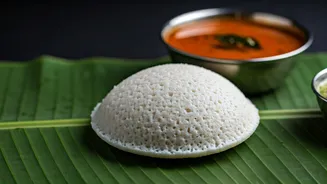
Idli is an iconic South Indian breakfast, cherished for its light and fluffy texture. This dish is made by steaming fermented batter, which is typically
a mixture of rice and urad dal (black lentils). The fermentation process is critical; it not only gives idli its characteristic soft texture but also enhances its nutritional value by increasing the bioavailability of nutrients. Traditionally served with sambar (a lentil-based vegetable stew) and coconut chutney, idli is a complete meal, providing carbohydrates, proteins, and essential nutrients. Preparing idli requires soaking the rice and lentils, grinding them into a smooth batter, and then allowing it to ferment overnight. Steaming the batter in special idli molds results in soft, pillowy cakes. The simplicity of idli makes it a versatile dish, easily adaptable to various tastes and dietary needs. The dish is not only delicious but also easily digestible, making it a popular choice for all ages. It's a cornerstone of South Indian cuisine.
Puttu: Kerala's Delight
Puttu is a popular breakfast dish from Kerala, offering a unique texture and flavor profile. It consists of steamed cylinders of ground rice layered with grated coconut. The process involves dry roasting rice flour and steaming it in a puttu kutti (a special steamer) with layers of coconut. Puttu is traditionally served with kadala curry (black chickpea curry) or with ripe bananas and sugar. The contrast between the soft rice and the chewy coconut creates a delightful sensory experience. The use of rice and coconut provides a good source of carbohydrates and healthy fats. Puttu is not just a breakfast item; it embodies the culinary heritage of Kerala, reflecting the region's abundant use of coconut and rice. It is a quick and relatively easy dish to prepare, making it a favorite for many families. Variations of puttu exist, including adding other grains or flavoring with spices to suit individual preferences. The dish showcases the simplicity and richness of Keralite cuisine.
Dhokla: Gujarati Treat
Originating from Gujarat, Dhokla is a steamed snack that has gained immense popularity across India. Made from fermented batter of gram flour (besan), rice, and spices, dhokla is a savory, spongy cake that's light and satisfying. The fermentation process is key to giving it its distinctive texture and flavor. The batter is steamed until it rises and becomes fluffy. Dhokla is often tempered with mustard seeds, curry leaves, and green chilies, which adds an extra layer of flavor and aroma. Typically served with green chutney and tamarind chutney, dhokla is a complete snack or breakfast option. Its versatility allows for variations, with different ingredients and spices incorporated to adjust the taste. Dhokla is not only tasty but also relatively healthy, as it is steamed rather than fried. This makes it a great option for those looking for a light and flavorful breakfast. It is a testament to the innovative and diverse culinary practices of Gujarat.
Modak: Maharashtrian Sweet
Modak is a sweet dumpling, primarily associated with Maharashtra, and is often prepared during the Ganesh Chaturthi festival. This delightful treat can be steamed or fried and is traditionally made with a rice flour dough that is filled with a mixture of grated coconut and jaggery. Steaming the modak ensures the filling melts and blends perfectly with the dough. The process involves creating a delicate dough, shaping it into small molds or by hand, filling them with the sweet coconut mixture, and then steaming them until cooked. Modak represents a celebration of flavors and traditions, combining the richness of coconut and jaggery with the subtle texture of rice flour. It's not just a dessert; it's an offering to Lord Ganesha, making it an integral part of Maharashtrian culture. The sweet flavor and soft texture make it a popular treat, enjoyed by both adults and children alike. Steamed modak is a delicious and easily digestible food.
Dal Pitha: Assamese Staple
Dal Pitha is a savory steamed dumpling from Assam, showcasing the region's diverse culinary traditions. It is made with rice flour and stuffed with a filling of lentils (dal). The process involves creating a dough using rice flour and shaping it into various forms, which are then filled with cooked lentils and spices. These dumplings are then steamed until tender, resulting in a soft texture and savory flavor. The use of lentils provides a good source of protein, while the rice flour offers carbohydrates, making Dal Pitha a nutritious and filling breakfast option. Dal Pitha is often served with a variety of chutneys or vegetable preparations, enhancing the overall taste and experience. This dish represents the simplicity and the healthy approach of Assamese cuisine, providing a balanced meal to start the day. Dal Pitha is a testament to the traditional food culture of Assam, offering a hearty and flavorful breakfast choice.
Bhapa Pitha: Bengali Delight
Bhapa Pitha is a steamed rice cake from Bengal, cherished for its simplicity and the flavors it imparts. This dish is usually made with rice flour, grated coconut, and jaggery. The combination of rice flour provides a soft, cake-like texture, the coconut offers a unique flavor and the jaggery adds a rich sweetness. The ingredients are layered in a small container and then steamed until cooked. The result is a soft, moist cake with a delightful blend of textures and flavors. Bhapa Pitha is a popular treat during festivals and special occasions, representing the essence of Bengali cuisine. The process of making Bhapa Pitha is relatively simple, making it accessible for home cooks. The use of coconut and jaggery provides a unique flavor profile that differentiates it from other steamed dishes. Steaming ensures the flavors blend beautifully, creating a perfect balance. Bhapa Pitha epitomizes the elegance and the traditional flavors of Bengali cuisine.
Idiyappam: String Hopper
Idiyappam, also known as string hoppers, are thin, noodle-like rice cakes. They are a staple in South India and Sri Lanka. Made from rice flour, these are steamed, giving them a soft and delicate texture. The process involves pressing rice flour dough through a sieve to create the thin strings, which are then steamed until they become soft and pliable. Idiyappam is usually served with vegetable stew, or with coconut milk and sugar, depending on the preference. The versatility of idiyappam makes it suitable for both sweet and savory applications. It's a light and filling dish, perfect for breakfast. The simplicity and the ease of making the dish make it a popular choice. It's a great option for those looking for a light and yet flavorful breakfast. It truly showcases the culinary diversity and tradition of South Indian cuisine.
Khaman Dhokla
Khaman Dhokla is a delicious Gujarati snack, a variation of the classic dhokla. It is made from a batter of gram flour (besan), which is fermented and steamed. This fermentation makes the khaman dhokla light and fluffy. The batter is seasoned with spices, and a tempering of mustard seeds, chilies, and curry leaves is often added after steaming, enhancing its aroma. Khaman Dhokla is typically served with green chutney and a sprinkle of sev (crispy gram flour noodles). This dish is not only delicious but also a healthier alternative, as it is steamed rather than fried. The preparation of khaman dhokla involves several stages, but the result is a flavorful and satisfying dish. Khaman Dhokla is a great option for those seeking a quick, tasty and relatively healthy breakfast.
Pitha Varieties
India has a diverse array of Pitha variations across different states. These steamed rice cakes offer a wide range of flavors and textures, with recipes adapted to suit regional tastes. From Assam's Dal Pitha to Bengal's Bhapa Pitha, each region offers its unique preparation methods and ingredients. These variations reflect the local food cultures and available resources. The variety of pithas indicates India's rich culinary history. These steamed rice cakes represent the diversity within Indian cuisine, showcasing local preferences and ingredients. These preparations are usually enjoyed during festivals and special occasions, adding joy to the celebrations. Exploring different Pitha varieties helps us understand the culture and traditions, and also provides a range of tastes and experiences.
Nutritional Benefits
Steamed breakfasts in India offer numerous nutritional benefits. Many of these dishes are made using rice, lentils, and vegetables, which provide essential nutrients. Steaming helps retain the nutrients in the ingredients, which enhances the health value of the meal. They are also relatively low in oil, making them a healthier choice compared to fried breakfasts. Dishes like idli and dhokla provide easily digestible carbohydrates and proteins. Fermentation, used in many of these recipes, improves the bioavailability of nutrients. These dishes are often served with sides like sambar and chutneys that add vitamins and fiber. Incorporating steamed breakfasts into your diet can help in overall health. This approach allows people to enjoy nutritious and delicious meals.