



A Unique Botanical Gem
In the realm of natural ingredients, a particular root has begun to capture widespread attention, drawing from ancient remedies and the heart of India's
forests. This botanical wonder is celebrated for its distinctive fragrance and striking coloration. While currently finding its place in beverages and traditional health practices, it's steadily becoming a feature in contemporary wellness regimes, igniting significant curiosity and admiration among those who encounter it. Its intriguing characteristics set it apart, making it a subject of growing interest for both its potential health benefits and its unique sensory profile. This root's journey from obscurity to the wellness spotlight highlights the enduring value of traditional knowledge and the continuous discovery of nature's hidden treasures. It represents a fascinating intersection of history, nature, and modern health trends, promising to unveil more about its capabilities as research progresses.
Distinguishing Features
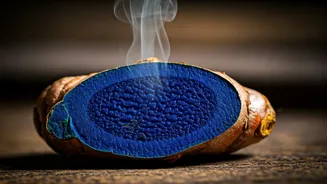
While sharing ancestral connections with the common yellow turmeric found in most Indian kitchens, this particular rhizome boasts a decidedly different identity. Its deep, smoky scent and vivid indigo flesh are its most immediate distinguishing markers, creating a sensory experience quite unlike typical culinary spices. The aroma is often likened to camphor or pine, offering a sharp, invigorating note that immediately sets it apart. This unusual combination of a visually arresting color and a potent, distinctive fragrance is precisely what elevates its profile, allowing it to stand out whether incorporated into experimental dishes or integrated into holistic wellness practices. It's this remarkable duality that sparks intrigue and positions it as a standout ingredient in the world of natural products and traditional remedies, offering a compelling narrative of uniqueness in the plant kingdom.
The 'Blue' in Blue Turmeric
Known scientifically as Curcuma caesia, this root is commonly referred to as blue turmeric in various regions. Its recent surge in public consciousness was notably amplified when Priyanka Gandhi Vadra brought it up during a parliamentary discussion, referencing its potential to alleviate throat discomfort and allergic reactions. This rare variety of turmeric is cultivated in specific locales across India, including the northeastern states, Madhya Pradesh, and the Wayanad region of Kerala. Its rarity and slow growth cycle contribute significantly to its higher price point compared to its ubiquitous yellow cousin. The external appearance of the blue turmeric root closely mimics that of standard turmeric, but a surprising revelation awaits upon cutting it open: its inner flesh displays a mesmerizing bluish-violet hue. This almost otherworldly color is a primary driver of its allure, immediately differentiating it from other roots and even from its familiar yellow counterpart. This striking visual contrast is a key element in its growing popularity and recognition.
A Stain-Free Spice
An interesting practical advantage of blue turmeric is its lack of staining properties, a notable departure from the vibrant yellow turmeric that often leaves its mark on fingers, utensils, and countertops. This characteristic makes it an incredibly user-friendly ingredient for culinary applications. Individuals can incorporate it into their meals or beverages without the usual concern of difficult-to-remove yellow residues. The appeal of blue turmeric, therefore, shifts from its visual impact to its aromatic contribution. This quality makes it an ideal choice for anyone who appreciates the addition of exotic spices to their cooking but prefers to avoid the mess often associated with them. It offers a convenient and clean way to introduce a unique flavor profile, enhancing dishes and drinks without the usual cleanup hassle, thus broadening its potential use in everyday cooking.
An Aromatic Profile
The blue turmeric root is endowed with a sharp, cool, and invigorating aroma that many individuals describe as being reminiscent of camphor or pine. This potent fragrance is frequently compared to the scent of Vicks VapoRub, offering a distinctly medicinal and refreshing olfactory experience. This strong aromatic quality is a primary reason why people turn to blue turmeric for respiratory support and relief. The fragrance is decidedly unusual and stands in stark contrast to the more common, earthy scents of everyday spices. It leaves a memorable and distinct impression on anyone who encounters it. This unique scent is not just a characteristic but a functional attribute, contributing to its reputation as a therapeutic agent and a fascinating addition to the spice repertoire, offering a sensory experience that is both novel and deeply ingrained in traditional knowledge.
Ayurvedic Significance
For centuries, the blue turmeric root has been held in high regard within Ayurvedic traditions, recognized for its diverse therapeutic applications. It is traditionally believed to be effective in alleviating joint inflammation and easing the pain associated with arthritis. Beyond musculoskeletal concerns, it is also employed to address digestive discomfort and is thought to possess properties that can calm respiratory ailments, establishing it as a versatile component in home-based remedies. Its reputed ability to soothe inflammation and promote well-being makes it a cornerstone of natural healing practices. The sustained use of blue turmeric in Ayurveda underscores its enduring efficacy and the deep understanding of its medicinal potential within traditional Indian medicine, highlighting its role in holistic health.
Skincare Applications
Beyond its internal health benefits, the blue turmeric root also finds application in traditional skincare routines. It is purported to possess properties that can soothe minor skin irritations and infections, contributing to the maintenance of healthy skin. Furthermore, it is believed to help in restoring the skin's natural radiance and vitality. Ancient medicinal texts and contemporary practitioners often recommend its use as part of a regimen aimed at enhancing overall skin health and appearance. The inclusion of blue turmeric in topical treatments reflects its broad spectrum of beneficial properties, extending its utility from internal remedies to external cosmetic and therapeutic uses, showcasing its multifaceted natural advantages for skin wellness.
Simple Home Remedy
A widely embraced method for consuming blue turmeric involves preparing a warm milk concoction. This soothing beverage is made by simmering milk with a small amount of blue turmeric powder, a pinch of black pepper, and a touch of sweetener. This simple preparation is often taken before bedtime, with the belief that it aids in respiratory comfort and promotes restful sleep. The ease of preparation allows individuals to conveniently incorporate its potential benefits into their nightly routines. This uncomplicated recipe serves as an accessible entry point for those seeking to explore the traditional uses of blue turmeric at home, offering a comforting and potentially restorative experience that leverages its unique properties in a palatable format.
Spotlight on a Rare Spice
While it may not supplant the everyday yellow turmeric in daily culinary practices, the blue turmeric root has undeniably captured public attention. Its unusual color, coupled with its distinctive aroma and potent medicinal reputation, has cemented its appeal. Recent mentions in public discourse and widespread discussion on social media platforms have collectively propelled this rare rhizome into the spotlight. This growing recognition is a testament to the enduring fascination with unique natural ingredients and their potential to offer both novel sensory experiences and health advantages. The journey of blue turmeric from traditional use to modern appreciation highlights the ongoing discovery and reevaluation of nature's bounty.