







The West Nile Threat
Health officials in Kerala have sounded an alert across the Ernakulam district due to the emergence of five suspected cases of West Nile Fever. These potential
infections have been reported from various localities, including Elanji, Eroor, Pallikkara, Ponekkara, and Palluruthy. While laboratory confirmation is still pending for these instances, the situation has prompted immediate precautionary measures. The timing of these reports coincides with the usual increase in mosquito-borne diseases experienced in the state during the warmer summer months, adding a layer of urgency to public health efforts. The District Medical Officer, Dr. R. Shahirsha, has clarified that these are preliminary suspicions and definitive confirmation awaits the results of ongoing laboratory tests, which are anticipated within a fortnight. Currently, no specific outbreak clusters have been identified, but authorities are emphasizing the need for heightened public awareness and vigilance against the disease.
Understanding the Virus
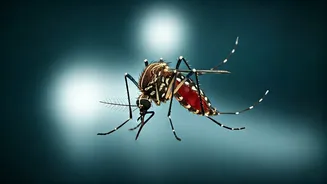
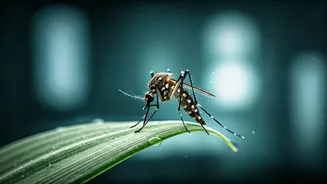
West Nile fever is a viral illness transmitted by mosquitoes, primarily caused by the West Nile virus. This virus naturally cycles between birds and mosquitoes, with humans acting as incidental hosts. The most common mode of infection for people is through the bite of an infected mosquito, often of the Culex species. It is crucial to understand that the virus does not spread through direct contact between individuals. For the majority of infected people, the illness is either very mild or shows no symptoms at all. However, a small percentage of individuals, particularly the elderly or those with compromised immune systems, may develop more severe neurological complications. Early detection and understanding of these transmission dynamics are key to managing potential outbreaks and protecting public health.
Confirming the Diagnosis
Diagnosing West Nile fever typically involves sophisticated laboratory testing designed to detect the presence of virus-specific IgM antibodies within a patient's blood or cerebrospinal fluid. In the initial stages of infection, Polymerase Chain Reaction (PCR) testing may also be employed to identify the virus directly. The diagnostic process can be lengthy and complex for several reasons. Symptoms often mimic those of other common viral fevers, making initial clinical assessment challenging. Furthermore, specialized laboratory facilities are required for accurate testing. Another factor contributing to delays is the timeframe required for antibody levels to become detectable after infection; repeat testing might be necessary to achieve a definitive diagnosis, underscoring the importance of persistent medical follow-up.
Personal Protection Measures
Beyond general mosquito control strategies, individuals can implement several specific protective measures to significantly reduce their risk of contracting West Nile fever. It is highly recommended to use effective mosquito repellents on exposed skin, particularly during dawn and dusk when mosquitoes are most active. Wearing long-sleeved shirts and trousers can provide a physical barrier against bites. Ensuring that window screens and door meshes are intact and free from holes is also essential for preventing mosquitoes from entering homes. A critical aspect of prevention involves eliminating potential breeding grounds for mosquitoes around residential areas. This includes diligently emptying any containers that might collect stagnant water, such as buckets, plant saucers, and clogged gutters. By taking these proactive steps, individuals can significantly lower their exposure to infected mosquitoes.
Community Defense Strategies
Effective management of West Nile fever requires a coordinated approach involving community-level interventions. Public health authorities play a vital role in organizing and executing these initiatives. Regular fogging operations in affected areas can help reduce the adult mosquito population, thereby limiting the spread of the virus. Simultaneously, comprehensive public awareness campaigns are crucial to educate residents about the risks, symptoms, and preventive measures. These campaigns can disseminate vital information through various channels, empowering the community to participate actively in control efforts. Ongoing surveillance of mosquito density and breeding sites is also fundamental, allowing authorities to monitor the situation and deploy resources strategically. Such collective actions, combining individual responsibility with organized community efforts, are paramount in containing the transmission of vector-borne diseases like West Nile fever.