






The Hidden Dangers Lurking
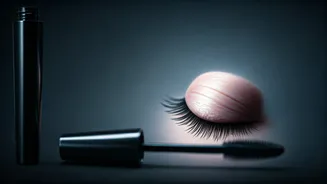
Skipping your nightly makeup removal, especially mascara, might seem like a minor oversight when you're tired, but it can lead to significant eye discomfort
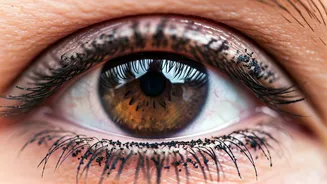
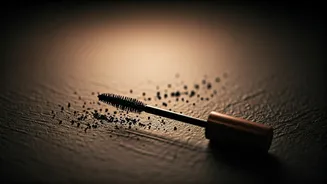
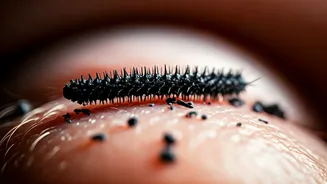
and damage. Optometrists warn that mascara left on overnight doesn't just disappear; instead, it dries, flakes, and transforms into tiny, abrasive particles. These minuscule fragments can then migrate and settle beneath your upper eyelids, accumulating along the lash line and the inner surface of the eyelid. This accumulation can lead to the formation of hard lumps or nodules. When you blink, these nodules act like sandpaper, constantly scratching the surface of your cornea. This persistent friction is a common, yet often unrecognized, cause of waking up with gritty, sore, or inflamed eyes. The eye's natural cleaning mechanisms, like blinking and tear production, are simply not equipped to effectively dislodge these stubborn cosmetic deposits, especially when mascara is applied regularly without thorough removal.
How Particles Travel
When mascara dries overnight, it breaks down into very small pieces. These tiny particles then have the opportunity to move from your lashes to underneath your eyelids. This migration can happen through subtle eye movements, such as blinking or rubbing your eyes, even during sleep. Once these mascara fragments find their way under the eyelid, they tend to lodge themselves near the delicate skin and the oil-producing glands that are crucial for a healthy tear film. While your eyes possess natural defenses, like the constant action of blinking and the flow of tears, these systems are primarily designed to handle foreign bodies like dust or debris, not the sticky residue left by makeup. Over time, these particles can mix with natural eye oils and tears, creating a more persistent buildup that becomes increasingly difficult for the eye to expel on its own, especially if makeup removal is consistently neglected.
Spotting the Warning Signs
Initially, the repercussions of sleeping in mascara might be subtle and easily dismissed. You might experience a persistent feeling that something is in your eye, a mild redness that comes and goes, or occasional watering. Itching along your lash line or a slight discomfort each time you blink, particularly noticeable upon waking, could also be early indicators. As the irritation escalates, more pronounced symptoms can emerge. This includes ongoing redness, a burning sensation, increased sensitivity to light, fluctuating vision, or excessive tearing. Furthermore, frequent bouts of styes (painful lumps on the eyelid), inflamed eyelids, or recurring eye infections could signify that the accumulated cosmetic residue is negatively impacting the eye's surface. These more severe signs indicate that your cornea or the conjunctiva (the clear membrane covering the white of the eye and inner eyelid) is being actively irritated and requires attention.
Crafting a Safe Routine
To ensure your eyes remain healthy and comfortable, establishing a diligent and gentle makeup removal routine is paramount. Begin by selecting an eye makeup remover that is specifically formulated to be mild and is often recommended or tested by ophthalmologists. Look for products that are free from potentially irritating ingredients like alcohol and strong fragrances, as well as harsh preservatives. The recommended technique involves applying the remover to a soft cotton pad. Place this pad gently over your closed eyes for a few moments, allowing the mascara to soften and dissolve before attempting to wipe it away. Crucially, avoid any vigorous rubbing or pulling on your delicate eyelid skin. For those who wear mascara daily or have particularly sensitive eyes, it’s vital to clean the lash line meticulously yet gently each night, even if the makeup application seems minimal. Finishing with a rinse of clean water and confirming that all traces of makeup are gone before going to bed are essential steps for maintaining healthy tear film, preventing infections, and safeguarding your long-term vision.