






A Troubling Roll
The electoral landscape in West Bengal has been dramatically altered, with a significant reduction in the number of registered voters since December. Initially
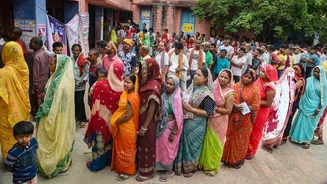
boasting 7.66 crore voters, the roll has since been frozen at 6.77 crore, marking a substantial decrease of 11.62 percent. This decline is particularly alarming given that out of over 60 lakh individuals whose eligibility was under review since February, a staggering 27,16,393, or more than 45 percent, will be unable to participate in the upcoming Assembly elections. The concerning aspect is that a majority of these disenfranchised voters had reportedly met the necessary documentation requirements, raising serious questions about the fairness and transparency of the deletion process. This situation fundamentally challenges the democratic principle that every eligible citizen possesses an equal right to elect their representatives.
Appeal's Cold Comfort
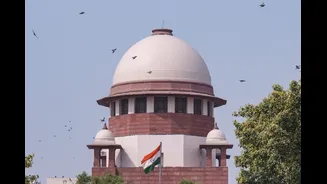
While these 27 lakh citizens do retain the right to appeal their deletions, this recourse offers little solace, especially with elections looming. The window for lodging appeals is exceptionally narrow, and the existing machinery appears overwhelmed by the sheer volume of cases. Reports indicate that many individuals have been left in a precarious state by the appellate agencies responsible for their redressal. This is precisely where the Supreme Court's intervention was deemed crucial, particularly concerning the foundational aspect of voter inclusion. Although the Court did acknowledge the issue and permitted tribunals to accept supplementary documentation, its recent decision has been met with disappointment. The Court's rationale, suggesting that appellate authorities might require up to sixty days to formulate a fair procedure, effectively grants the Election Commission the benefit of the doubt and implicitly accepts the disenfranchisement occurring in this electoral cycle. This stance marks a departure from the Court's previous approach in Bihar, where it actively pushed the Commission towards greater transparency and accountability for its deletion decisions.
Erosion of Trust
In West Bengal, the sustained scrutiny that was so critical during the revision process was notably absent when it mattered most. Traditionally, the Election Commission of India has a commendable history of making every effort to reach every voter, consistently erring on the side of inclusion to safeguard the democratic process. However, the recent events in West Bengal, characterized by a process perceived as inherently biased against the voter and exacerbated by inflammatory rhetoric regarding illegal immigrants, have instilled fear of disenfranchisement among lakhs of citizens. Each valid voter who has been removed from the roll, and every individual now compelled to navigate the daunting process of redressal, casts a shadow on the poll panel's reputation. The Supreme Court has historically served as the ultimate safeguard for citizens' voting rights, and this role remains vital regardless of a frozen electoral roll or a tight election schedule. The Court is urged to re-examine the situation, not to reopen the entire deletion process, but to guarantee that no eligible citizen is deprived of their fundamental right to vote due to systemic institutional failures.