





The Growing Liver Crisis
The world is facing an escalating health challenge with metabolic dysfunction-associated steatotic liver disease (MASLD), formerly known as non-alcoholic
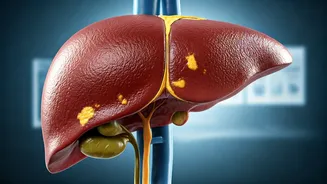
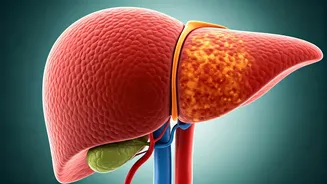
fatty liver disease. A significant study published in The Lancet Gastroenterology and Hepatology journal paints a stark picture, projecting that the number of cases could surge to an unprecedented 1.8 billion by the year 2050. This alarming increase is attributed to a confluence of factors, including a growing global population and prevalent lifestyle shifts that favor increased rates of obesity and poorly managed blood sugar levels. Over the past 33 years, the study meticulously analyzed global and regional data from 1990 to 2023, uncovering a staggering 143% escalation in MASLD cases. While medical advancements allow people to live longer, healthier lives, this surge primarily manifests in the early, often silent, stages of the disease. Health experts are emphasizing the urgency of understanding and addressing the underlying causes to avert more severe liver complications in the future, urging proactive measures to counter this growing epidemic.
Top 3 Risk Factors
Leading experts have pinpointed three critical risk factors that significantly contribute to the escalating prevalence of MASLD. Firstly, smoking stands out as a major contributor. Beyond its well-known respiratory effects, smoking introduces inflammation into the body and impairs oxygen supply to vital organs, including the liver. Over time, this chronic damage can lead to a compromised liver. Secondly, a high body mass index (BMI), indicative of excess body fat, particularly abdominal fat, directly correlates with increased fat accumulation within the liver itself. This excess adipose tissue disrupts normal metabolic processes. Thirdly, elevated fasting blood glucose levels, often a precursor to or symptom of diabetes and prediabetes, signal poor control over sugar metabolism. When the body struggles to manage excess sugar, the liver often converts it into fat, further exacerbating the condition. These three factors converge to worsen insulin resistance, a state where the body's cells become less responsive to insulin, making it difficult to regulate both sugar and fat, ultimately leading to liver damage.
The Role of Insulin Resistance
At the heart of this complex health issue lies insulin resistance, a metabolic state that acts as a central hub for various complications. Experts elucidate that MASLD and type 2 diabetes are not isolated conditions but rather interconnected manifestations of a broader metabolic derangement. Insulin resistance means that the body's cells, including those in the liver, do not respond effectively to insulin, a hormone crucial for regulating blood sugar. This inefficiency forces the pancreas to produce more insulin, leading to a cycle of elevated insulin levels. The liver, in this environment, becomes less efficient at processing fats and sugars. Consequently, fats tend to accumulate in the liver, leading to MASLD. Simultaneously, the persistent high insulin levels and the body's inability to utilize glucose effectively contribute to the development and progression of type 2 diabetes. Therefore, addressing insulin resistance is paramount for managing both MASLD and diabetes, highlighting their shared etiological pathway and the need for holistic metabolic interventions.
Actionable Lifestyle Changes
Fortunately, mitigating the risk and progression of MASLD can be achieved through straightforward and sustainable lifestyle modifications. Maintaining a healthy body weight is fundamental; regular physical activity, whether it’s brisk walking, cycling, or engaging in yoga, plays a crucial role in reducing the amount of fat stored in the liver. Complementing exercise with a balanced diet is equally vital. This involves consciously reducing the intake of sugary foods, fried items, and highly processed products, while prioritizing the consumption of fruits, vegetables, and whole grains. Health professionals advise viewing MASLD not as an isolated ailment but as an indicator of broader lifestyle habits. When physical activity decreases and calorie-dense foods become more prevalent, the liver often shows the initial signs of distress. Early detection through risk stratification and non-invasive fibrosis assessment is key. Furthermore, rigorous management of blood sugar levels, even in cases of prediabetes, and achieving a modest weight loss of 5%-10% can significantly alter the trajectory of the condition. Quitting smoking is another powerful step, as it directly combats inflammation and enhances overall liver function. Conscious effort to control blood sugar by limiting refined carbohydrates and sweets, and adhering to medical advice for those with diagnosed diabetes, are critical components of a liver-friendly lifestyle.
Preventative Health Practices
Proactive engagement with preventative health measures is essential for safeguarding liver health and averting the widespread increase in MASLD. Regular medical check-ups serve as an indispensable tool in this regard. These routine assessments should include liver function tests, which provide valuable insights into the health of the organ, and regular blood sugar monitoring. Detecting subtle changes early can make a significant difference in preventing the development of serious complications associated with liver disease. By staying informed about one's health status through these regular screenings, individuals can identify potential issues before they escalate into more severe conditions. This proactive approach empowers individuals to make timely adjustments to their lifestyle and seek appropriate medical guidance, thereby playing an active role in managing their health and contributing to a healthier future, free from the burden of advanced liver disease.