


Natural Fabric Revolution
Embracing sustainability at home doesn't necessitate grand construction projects; instead, it hinges on mindful everyday choices. A significant yet accessible
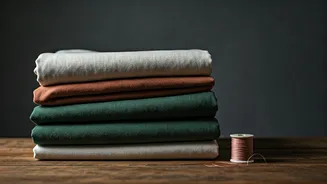
shift involves replacing synthetic textiles with natural alternatives. Opt for cotton, linen, or khadi for your curtains, cushion covers, and upholstery. These materials not only contribute to better indoor air quality by allowing your space to breathe but also lend a refined and organic aesthetic to your decor. This simple switch moves away from petroleum-based synthetics, reducing your reliance on non-renewable resources and offering a softer, more natural feel to your living environment. The visual appeal is often enhanced, bringing a touch of the outdoors in and creating a more calming atmosphere.
Greenery Indoors
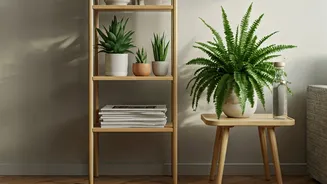
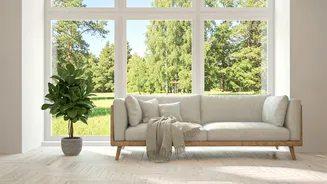
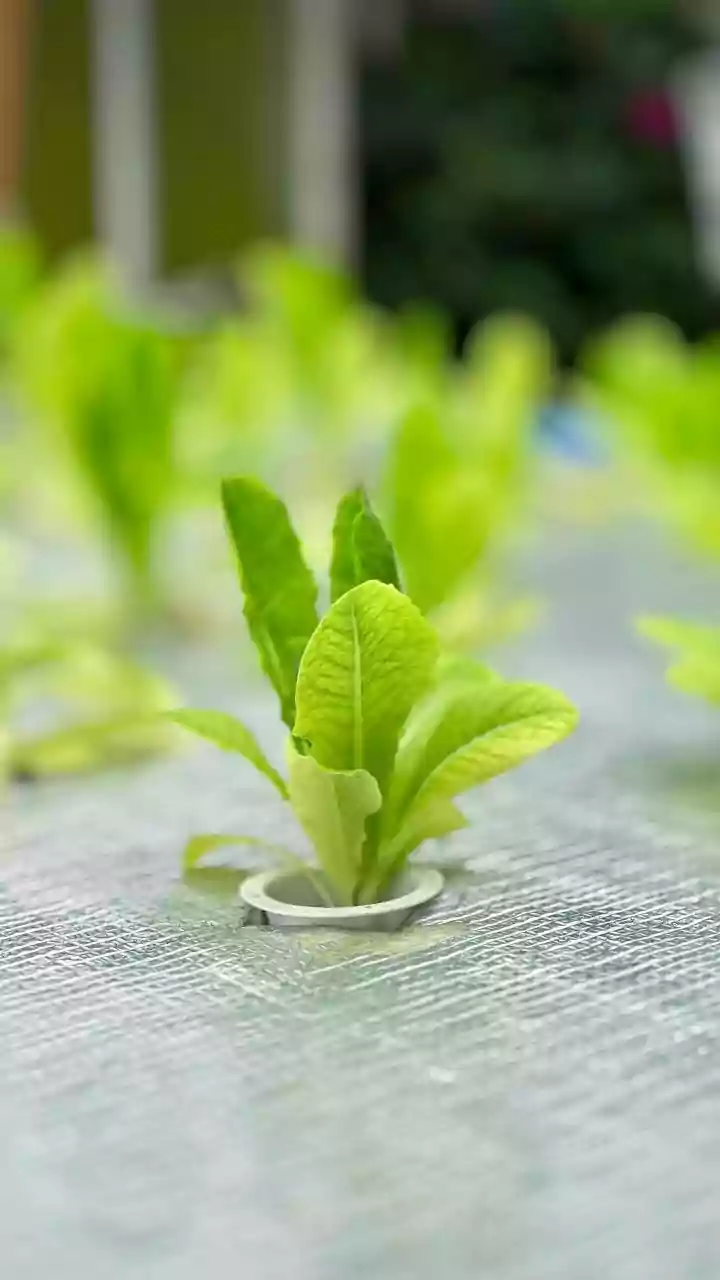
Integrating indoor plants is a wonderfully straightforward method to infuse your home with life and improve its ecological impact. Beyond their undeniable aesthetic charm, plants are powerful natural air purifiers. They diligently absorb common indoor pollutants and release oxygen, thereby enhancing the air you breathe. Introducing a variety of houseplants, from low-maintenance succulents to air-purifying ferns, can dramatically transform the atmosphere of any room. This biological approach to air quality management is not only cost-effective but also adds a vibrant, organic dimension to your interior design. It’s a direct connection to nature that promotes well-being and a sense of tranquility.
Illuminate with LEDs
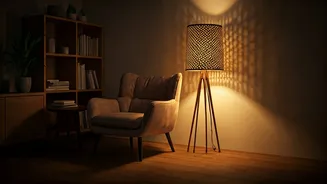
Lighting is a substantial component of household energy consumption, and upgrading to energy-efficient options is a critical step toward a greener home. Switching to LED (Light Emitting Diode) bulbs offers a significant reduction in electricity usage compared to traditional incandescent bulbs. This decreased energy demand translates directly into a lower carbon footprint for your household. Furthermore, LEDs generate less heat, contributing to a cooler indoor environment and potentially reducing cooling costs during warmer months. Their longevity also means less frequent replacements, further minimizing waste and resource consumption. Embracing LED technology is a smart, long-term investment in both your home's sustainability and your energy bills.
Furniture Restoration
Before considering the purchase of new furniture, especially inexpensive, mass-produced items, explore the potential of restoring your existing pieces. This practice dramatically curbs the environmental impact associated with manufacturing and transporting new goods. A fresh polish, a bit of sanding, or even a new coat of paint can breathe new life into old furniture, giving it a refreshed appearance without the ecological cost. This approach not only saves resources but also often results in unique, character-filled pieces that are more durable and possess a richer history. It's an economically savvy and environmentally responsible alternative to the cycle of disposable decor, preserving craftsmanship and reducing landfill waste.
Local Artisan Support
Championing decor items crafted by local artisans is a powerful way to foster sustainability and ethical consumption. By choosing handmade goods from your community, you significantly reduce the carbon footprint associated with long-distance shipping and large-scale industrial production. This practice also directly supports local economies and preserves traditional craftsmanship. Such items often boast unique designs and a story, adding a personal and authentic touch to your home decor. This conscious choice promotes social responsibility while enhancing your living space with pieces that are both beautiful and meaningful, connecting you to the cultural heritage of your region.
Style Meets Sustainability
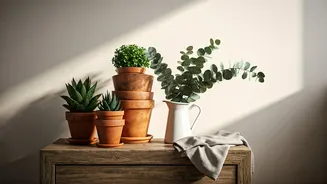
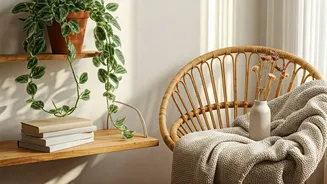
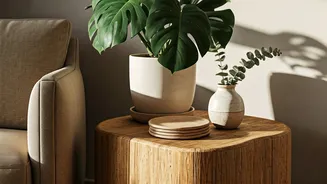
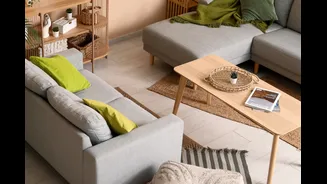
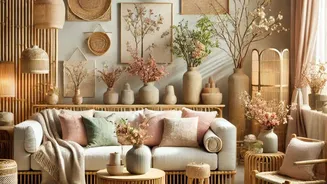
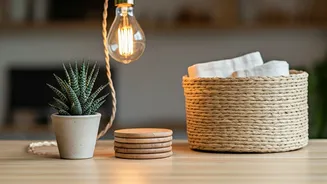
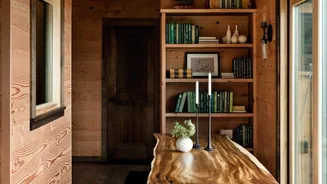
Achieving an eco-friendly home does not mean sacrificing style; in fact, the two can be beautifully intertwined. Materials like solid wood, bamboo, cane, jute, and terracotta inherently possess a warm, inviting quality that enhances interior aesthetics while remaining environmentally responsible. These natural elements bring texture and depth to a space, creating a grounded and authentic feel. Embracing a minimalist design philosophy further aids sustainability by encouraging mindful consumption and discouraging excess. By prioritizing fewer, high-quality items, homeowners can cultivate environments that are not only visually appealing but also deeply rooted in responsible living, demonstrating that beautiful design and ecological consciousness are complementary.
Avoiding Greenwashing Pitfalls
Navigating the world of eco-friendly decor requires a discerning eye to avoid common pitfalls often fueled by trends. The label 'eco-friendly' alone doesn't guarantee genuine sustainability; superficial choices can be misleading. Key mistakes include succumbing to overconsumption driven by fleeting trends, purchasing low-quality items that necessitate frequent replacement, or opting for artificial plants that contribute to plastic waste. True sustainability is about making durable, long-term choices that require less continuous effort to maintain ecological balance, rather than a constant stream of new eco-labeled purchases. It's about thoughtful curation that minimizes impact over time.