





Understanding Blood Sugar
Understanding how blood sugar works is the first step toward enjoying desserts without adverse effects. When you eat, your body breaks down carbohydrates
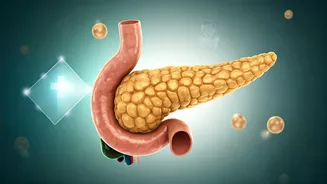
into glucose, which enters your bloodstream. This triggers your pancreas to release insulin, a hormone that helps glucose move into your cells for energy. The speed at which different foods raise your blood sugar is measured by the glycemic index (GI). High-GI foods cause rapid blood sugar spikes, while low-GI foods cause slower, steadier rises. Being aware of this process allows you to make informed decisions about your food choices and how they affect your body.
Choosing the Right Desserts
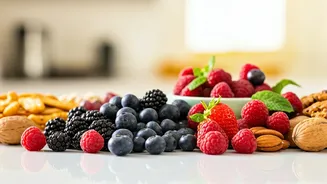
The key to enjoying desserts guilt-free lies in making smart choices. Focus on desserts with lower sugar content and higher nutritional value. Opt for options like fresh fruit, which provides natural sweetness along with vitamins and fiber. Consider incorporating desserts with healthy fats and proteins, as these can help slow down sugar absorption. For instance, a small serving of nuts or a Greek yogurt parfait with berries can satisfy your sweet tooth while keeping your blood sugar stable. Reading labels and being mindful of portion sizes is also essential for controlling sugar intake.
Portion Control Matters
Even healthy desserts can lead to blood sugar spikes if eaten in excess. The principle of portion control is crucial. Instead of indulging in large servings, practice mindful eating by savoring smaller amounts. Use smaller plates and bowls to visually limit your portion sizes. Pre-portion your desserts to avoid overeating, and consider having a few bites rather than finishing the entire serving. If you're baking at home, divide the recipe into individual servings immediately. When dining out, consider splitting a dessert with a friend or asking for a to-go box to save the rest for later. This approach enables you to enjoy your treats without compromising your health.
Pairing with Fiber, Protein
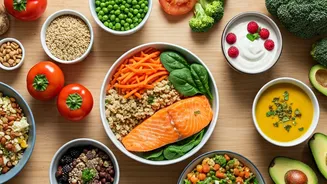
One effective strategy to mitigate the impact of desserts on blood sugar is to pair them with fiber and protein. Fiber slows down the absorption of sugar, preventing sudden spikes. Protein also aids in stabilizing blood sugar levels by slowing down digestion. When eating a dessert, incorporate foods rich in fiber and protein into the same meal or snack. For instance, have a piece of fruit (fiber) with a handful of nuts (protein and healthy fats), or enjoy a small slice of cake (dessert) after a meal with a significant portion of vegetables (fiber) and lean protein. This balanced approach ensures a more stable blood sugar response.
Mindful Eating Techniques
Practicing mindful eating can enhance your enjoyment of desserts while also helping you manage your blood sugar levels. Mindful eating involves paying close attention to your body's hunger and fullness cues, savoring each bite, and eating without distractions. Before indulging in a dessert, take a moment to reflect on your hunger level. Eat slowly and deliberately, focusing on the flavors, textures, and aromas of the dessert. Put down your fork between bites and pay attention to how your body feels. This will help you identify when you are satisfied and prevent overeating. Avoid eating while watching TV or working, as these distractions can lead to mindless consumption and higher blood sugar levels.
Timing Your Treats
The timing of when you eat desserts can also affect your blood sugar. Avoid eating desserts on an empty stomach, as this can lead to a more significant blood sugar spike. Instead, incorporate desserts into a balanced meal that includes protein, fiber, and healthy fats. This helps to slow down the absorption of sugar. If you are going to eat a dessert as a snack, pair it with a source of protein and fiber to maintain stable blood sugar levels. Also, try to avoid eating desserts close to bedtime, as it can interfere with your sleep quality and may affect your blood sugar management throughout the night. Planning your meals and snacks in advance can help you incorporate desserts in a way that minimizes their impact on your blood sugar.
Healthy Dessert Recipes
Exploring healthy dessert recipes allows you to satisfy your sweet tooth while nourishing your body. Instead of relying on store-bought desserts, which are often high in sugar, fat, and processed ingredients, try making your own treats at home. Start by experimenting with recipes that use natural sweeteners like stevia, honey, or maple syrup in moderation. Try making fruit-based desserts, such as baked apples with cinnamon or a berry crumble with a whole-grain topping. Incorporate healthy fats by using avocados or coconut oil in your recipes. Consider preparing homemade popsicles using fruit and yogurt, or creating a dark chocolate avocado mousse. By trying these recipes, you can enjoy delicious desserts without the guilt.
Regular Physical Activity
Regular physical activity is a vital component of managing blood sugar levels and can help you enjoy desserts in moderation. Exercise increases your body's sensitivity to insulin, allowing glucose to move into your cells more effectively. Engage in at least 150 minutes of moderate-intensity or 75 minutes of vigorous-intensity aerobic exercise per week. Incorporate strength training exercises at least twice a week. If you've indulged in a dessert, consider taking a walk or doing some light exercise shortly afterward to help your body process the sugar. This combination ensures a balanced lifestyle where you can satisfy your sweet cravings without compromising your health.