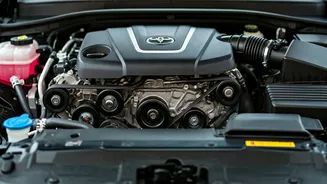

Automobile Sector Overview
The Indian automobile sector is a significant driver of the nation's economy. The sector encompasses the manufacturing of passenger vehicles, commercial
vehicles, two-wheelers, and three-wheelers, alongside automotive components. Several factors fuel this growth, including rising disposable incomes, urbanization, and a growing middle class, leading to increased vehicle sales. Government initiatives, such as infrastructure development and tax incentives, also bolster the industry. The sector is continuously evolving, with companies adopting new technologies like electric vehicles (EVs) and focusing on sustainable practices. For investors, understanding these trends is vital for making sound decisions. The sector's performance often reflects overall economic health, making it an attractive investment avenue.
Identifying Investment Opportunities
When considering auto stock investments, various aspects need careful assessment. Firstly, evaluating a company's financial performance is crucial, analyzing its revenue growth, profitability margins, and debt levels. The competitive landscape plays a vital role; understanding a company's market share, brand reputation, and competitive advantages is important. Technological advancements, particularly in EVs and autonomous driving, can significantly influence a company's long-term prospects. Regulatory changes and government policies, such as emission norms and tax benefits, affect the industry. Investors should examine the company's research and development spending, which indicates future innovation potential. Moreover, assessing a company's ability to adapt to changing consumer preferences and market trends is essential. This thorough analysis assists in identifying promising investment opportunities in the auto sector.
Top Stock Considerations
Several leading auto companies in India present attractive investment options. These companies have established strong market positions, robust financial performance, and future growth prospects. Analyzing their business models, product portfolios, and market strategies is key. Some companies have demonstrated consistent revenue growth and profitability, while others focus on expanding their market share and entering new segments. Investors should assess each company's ability to innovate and adapt to technological advancements, such as the EV transition. Assessing the company's valuation metrics helps in deciding the current market price and if it's overvalued or undervalued, enabling investors to make well-informed decisions. Considering these factors is crucial when evaluating auto stocks, allowing investors to select those aligned with their investment objectives.
Factors to Watch
Several factors can influence the performance of auto stocks. Global economic conditions, including interest rate changes and inflation, impact consumer spending and industry profitability. The price of raw materials, such as steel and rubber, directly affects manufacturing costs and margins. Government policies, including import duties and emission standards, significantly affect the auto sector. Technological advancements, especially the shift towards electric vehicles (EVs), can create new opportunities and challenges. Changes in consumer preferences and buying behavior, fueled by environmental concerns and digital advancements, also play a key role. Investors must monitor these trends closely to make informed decisions and adjust their investment strategies accordingly.
Risk Mitigation Strategies
Investing in auto stocks comes with inherent risks, so employing effective mitigation strategies is crucial. Diversifying the portfolio across different auto stocks and sub-segments helps spread risk. Conducting thorough research on companies' financial health, market position, and future prospects is essential. Monitoring economic indicators, government policies, and technological developments enables investors to adapt quickly. Setting realistic investment goals and time horizons helps manage expectations. Regular portfolio reviews and rebalancing can ensure investments align with market conditions. Using stop-loss orders can limit potential losses, and seeking professional financial advice provides additional support in navigating market uncertainties.
Long-Term Investment Outlook
The long-term outlook for the Indian auto sector remains optimistic. The continued economic growth and rising disposable incomes support vehicle sales. Government initiatives focused on infrastructure development and electric vehicle adoption drive growth. Technological advancements, such as autonomous driving and connected car technologies, create new opportunities. The sector is evolving with increasing focus on sustainability and environmental concerns. Investors should adopt a long-term perspective when investing in auto stocks, considering the growth potential and sector dynamics. Regular portfolio reviews and staying informed about market trends allow investors to navigate the sector successfully and achieve their investment goals.