




A Cultural Promenade Unveiled
Mumbai's iconic Kala Ghoda heritage precinct is set to captivate visitors with a significant urban renewal project aimed at creating a pedestrian-friendly
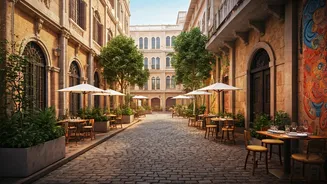
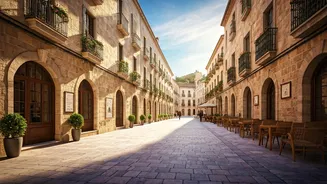
cultural promenade. Inspired by renowned European walking streets, five key lanes within the neighbourhood have been meticulously redesigned. This initiative by the Brihanmumbai Municipal Corporation (BMC) introduces a host of new amenities, including charming cobblestone pathways, vibrant murals adorning adjacent walls, carefully curated street artefacts, inviting public seating areas, and dedicated spaces for al fresco dining. The primary objective is to foster a more engaging and accessible environment, transforming these bustling streets into destinations where culture and community can thrive, free from the usual vehicular traffic, especially during weekend periods, thereby enhancing the overall visitor experience and the aesthetic appeal of this historic locale.
Redesigned Streets for Strolling
The first phase of the Kala Ghoda beautification initiative has brought about a remarkable change to five specific streets: VB Gandhi Marg (formerly Forbes Street), Ropewalk Lane, Saibaba Road, Rutherfield Street, and B Bharucha Road. These lanes now boast elegant cobblestone paving, creating a visually appealing and tactile experience underfoot. Complementing the pathways are striking murals painted on the surrounding walls, adding splashes of colour and artistic expression to the urban landscape. Furthermore, unique street artefacts have been strategically placed along the walkways, serving as points of interest and enhancing the precinct's artistic character. Covering an expansive 3,433 square metres, the project thoughtfully integrates walking trails with designated zones for art installations and comfortable seating, all contributing to a richer, more immersive cultural exploration for every visitor.
Weekend Vehicle Restriction
To truly bring to life the vision of a pedestrian paradise, the Kala Ghoda precinct will be designated as a no-vehicle zone during weekends. This crucial measure ensures that the newly transformed lanes can be enjoyed by pedestrians without the interruption or hazard of moving vehicles. Hydraulic bollards have been strategically installed at the entry points of these streets to effectively manage and restrict vehicle access. The underlying principle driving this decision is to cultivate a safer, more relaxed, and profoundly unique atmosphere within this treasured heritage area. This shift aims to encourage leisurely strolls, spontaneous encounters, and a deeper appreciation of the precinct's historical and cultural significance, making it a truly people-centric destination.
Inspiration and Future Plans
The concept behind Kala Ghoda's pedestrianisation draws inspiration from internationally celebrated vibrant public spaces, specifically mentioning streets like Buchanan Street in Glasgow and Carnaby Street in London. This forward-thinking initiative was championed by Makarand Narwekar, a corporator from Colaba. Initially, the plan focuses on implementing pedestrian-only access during weekends, with the potential for expansion to include more days in the future. This phased approach allows for careful observation and adaptation, with the ultimate goal of establishing a safer and more dynamic public realm. Looking ahead, a significant second phase of development is planned, which includes the construction of an underground parking facility designed to accommodate approximately 200 vehicles, ensuring convenience for visitors while preserving the pedestrian-friendly nature of the precinct. Construction for this parking facility is already in progress and is anticipated to be completed by the end of the year.