







A Game-Changing Vaccination Initiative
India is on the cusp of a significant public health advancement with the impending nationwide rollout of a cervical cancer vaccine for 14-year-olds. This
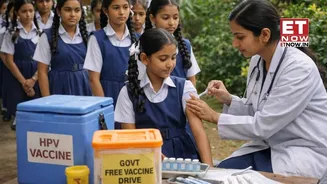
program, set to begin in approximately one month, is poised to be a pivotal moment in the country's battle against this devastating disease. The chosen vaccine will be administered as a single dose, a strategy that aligns with recent findings by the World Health Organization (WHO). The WHO's 2022 recommendations emphasize that a single vaccination, when given to individuals between the ages of 9 and 14, offers protection comparable to multiple-dose regimens. This single-dose approach is also in harmony with the WHO's overarching strategy for the global elimination of cervical cancer. While private clinics typically administer the vaccine in two or three doses, the government's decision to adopt a single-dose protocol for its mass inoculation drive is a strategic move designed for broader accessibility and effectiveness. This initiative aims to reach an estimated 1.15 crore young girls who turn 14 each year in India, a substantial cohort for preventive health action.
The Critical Role of Information
The success of India's cervical cancer elimination strategy hinges not solely on the availability of vaccines; the impact of well-executed information campaigns will be equally vital. Currently, India bears a significant portion of the global cervical cancer burden, accounting for roughly one-fifth of all cases worldwide, with nearly 90% linked to the human papillomavirus (HPV). Despite the existence of effective early screening and vaccination methods, widespread lack of awareness and the relatively high cost of the vaccine in private settings have hindered previous efforts to control the disease. The government's upcoming vaccination drive, while a monumental step, must be complemented by comprehensive public education initiatives. These campaigns are essential to demystify the vaccine, highlight its importance, and encourage uptake. Without a strong informational component, even the most robust vaccine supply may not achieve its full potential in preventing new cases and reducing the alarming mortality rate, where one woman succumbs to cervical cancer every eight minutes in India.
Learning from Past Implementations
The forthcoming nationwide vaccination program presents an opportunity for the central government to critically assess lessons learned from previous immunization efforts, both nationally and within specific states. Several states have already been conducting government-sponsored HPV vaccination drives, with varying degrees of success. Projects in Sikkim and specific high-burden districts of Punjab have demonstrated commendable coverage rates through school-based initiatives, proving the effectiveness of targeted outreach. Similar programs have also been initiated in Bihar and Tamil Nadu. In contrast, Delhi's program, which required parents to bring their children to hospitals for vaccination, reportedly struggled to gain significant traction, highlighting the importance of accessibility and convenience in public health campaigns. Drawing accurate conclusions from these successes and shortcomings will be crucial for optimizing the national rollout. Furthermore, the historical performance of centrally sponsored immunisation programs, encompassing initiatives against diseases like Covid and polio, consistently underscores the indispensable role of robust awareness campaigns in achieving high vaccination coverage and ensuring program efficacy.
Broader Impact Beyond Recipients
While the immediate focus of the vaccination drive is on protecting 14-year-olds, the positive ripple effects of achieving high vaccine coverage can extend to the broader population, including those who are not directly vaccinated. Although it is premature to definitively link this single drive to achieving herd immunity, studies from countries like Sweden, the United Kingdom, and Australia offer valuable insights. These international experiences have demonstrated that a substantial vaccination rate within a community can significantly reduce the incidence of precancerous lesions and other disease symptoms, even among individuals who have not received the vaccine themselves. This phenomenon underscores the collective benefit of widespread immunization. By ensuring that a large proportion of the target age group receives the vaccine, India can create a protective shield that indirectly safeguards unvaccinated individuals, contributing to a wider reduction in the overall prevalence and impact of HPV infections and their related cancers.