



Khichdi's Embrace
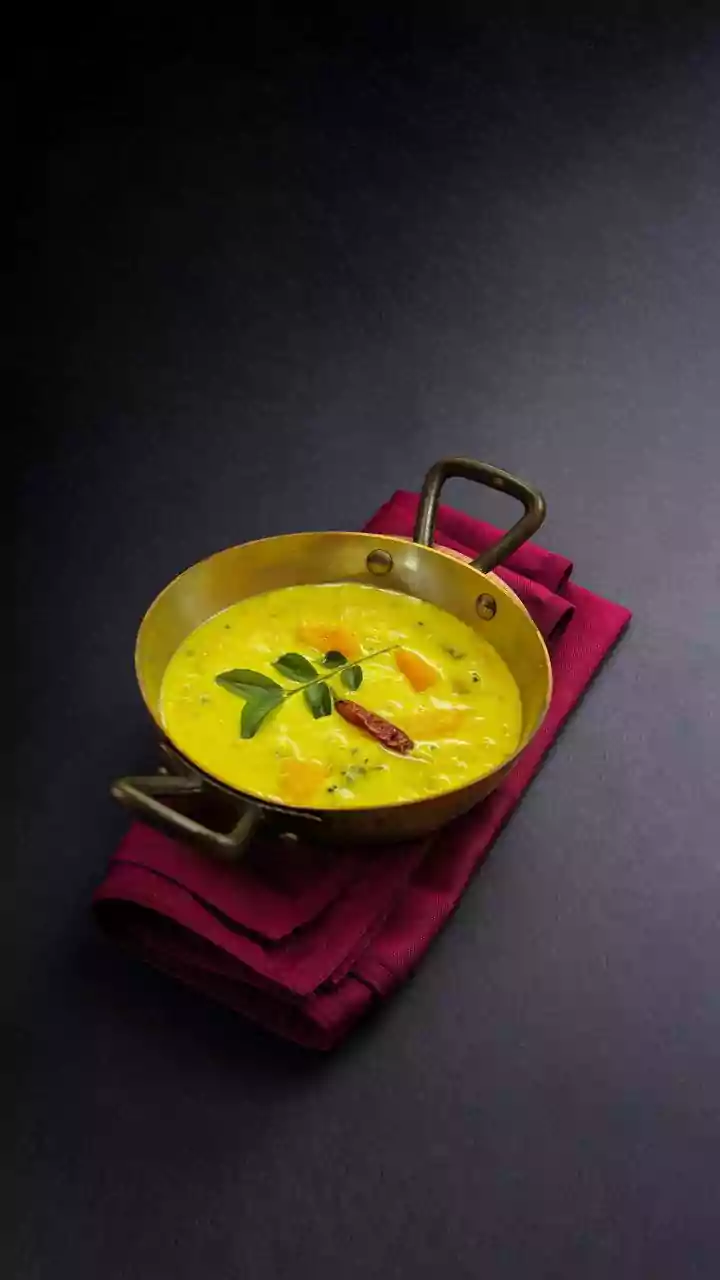
Khichdi is a staple during Makar Sankranti, particularly in North India. This simple yet nourishing dish, made with rice and lentils, symbolizes prosperity
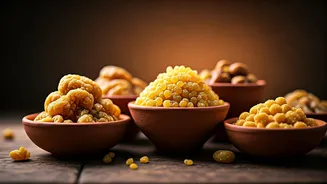
and good health. It is believed that eating khichdi on this day brings good luck. The recipe may vary slightly from region to region, incorporating different vegetables and spices based on local preferences. Some families will add seasonal vegetables like cauliflower, peas, and carrots. Preparing khichdi often involves a communal effort, with families gathering to cook and share this warm, comforting food. The act of eating khichdi on Sankranti is often seen as a way of inviting blessings and prosperity into the household for the year ahead. Preparing khichdi is also said to bring good fortune.
Til Ladoo Delights
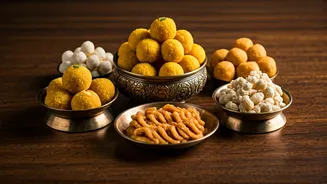
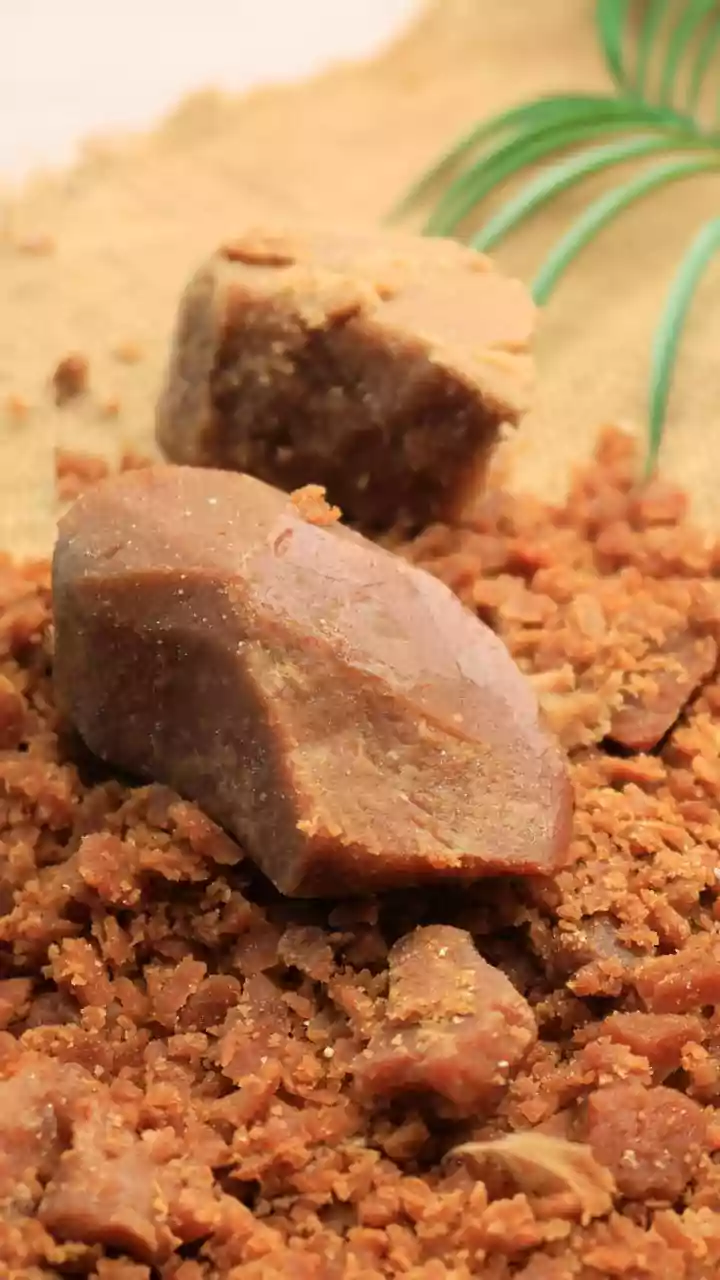
Til ladoo, made with sesame seeds and jaggery, are a must-have sweet treat for Makar Sankranti. The combination of sesame seeds (til), which are associated with warmth and health, and jaggery (gur), a traditional sweetener, creates a delightful flavor profile. Til ladoos are believed to provide warmth to the body during the winter months. These bite-sized delights are typically prepared by roasting sesame seeds, melting jaggery, and combining the two to form small balls. They are often shared with loved ones as a symbol of goodwill and affection. The preparation of Til ladoos often involves a family, especially on Makar Sankranti. The eating of the Til ladoo is accompanied by the sharing of the phrase 'Til-gul ghya, aani god god bola,' which translates to 'Eat sesame seeds and jaggery, and speak sweet words,' embodying the spirit of the festival.
Undhiyu's Goodness
Undhiyu, a mixed vegetable dish, is a specialty of Gujarat and is traditionally prepared during Makar Sankranti. This slow-cooked preparation, typically made in earthen pots underground (hence the name), is a medley of seasonal vegetables like brinjals, potatoes, beans, and more. The slow cooking process allows the flavors of the vegetables and spices to meld perfectly. Undhiyu's unique cooking method gives it a smoky flavor. The dish is often served with puri (deep-fried bread) and shrikhand (sweet yogurt), creating a complete and satisfying meal. Undhiyu is more than just food; it's a celebration of the harvest, bringing together the freshest produce of the season. The rich flavors and the time-honored cooking process make Undhiyu a treasured part of Makar Sankranti.
Gajak's Crunchiness
Gajak, a brittle sweet made from sesame seeds and jaggery, is another popular Makar Sankranti treat. This crunchy confection is known for its distinctive taste and texture. Gajak comes in various forms and flavors, often including nuts like peanuts. It provides warmth and energy during the winter. Preparing gajak involves roasting sesame seeds, melting jaggery, and then spreading the mixture thinly to cool and harden. It's a common offering to guests and is often sold by street vendors during the festival. Gajak is enjoyed as a snack, contributing to the festive spirit of Makar Sankranti. The simplicity of the ingredients and preparation makes gajak a universally loved treat.
Puran Poli's Delight
Puran Poli, a sweet flatbread, is a significant part of the Makar Sankranti meal, especially in Maharashtra. This dish features a sweet filling made from chana dal (split chickpeas), jaggery, and spices, encased in a soft, flaky roti. Puran Poli is often prepared with ghee (clarified butter), enhancing its flavor and richness. It is a symbol of prosperity and happiness. The laborious process of making Puran Poli is often a family affair, involving the careful preparation of the filling and the precise rolling of the dough. Puran Poli, served warm with ghee and often with a side of katachi amti (a spicy lentil soup), represents the abundance and joy of the harvest season.
Peanut Chikki Treats
Peanut chikki, a brittle candy made from peanuts and jaggery, is a common Makar Sankranti snack. It is an accessible and delicious treat available across India. Peanut chikki is made by roasting peanuts, melting jaggery, and combining the two. This mixture is then flattened and cut into bite-sized pieces. It offers a combination of nutty flavor and sweetness. Peanut chikki is a great source of energy during the festive season. Its easy preparation and widespread availability make it a go-to treat. Peanut chikki is a simple yet satisfying treat during Makar Sankranti festivities, symbolizing the flavors and traditions associated with the harvest.
Dahi Chuda for Breakfast
Dahi Chuda, a dish of flattened rice (chuda) and yogurt (dahi), is a popular breakfast choice during Makar Sankranti, particularly in Bihar and parts of Uttar Pradesh. This light yet filling dish is easy to prepare and provides sustained energy. The dish can be enhanced with additional ingredients like jaggery, nuts, and fruits. Dahi Chuda is often eaten with a variety of sweet and savory accompaniments. It is considered auspicious and a traditional way to start the Makar Sankranti day. It's a simple, nourishing meal that symbolizes the joy and togetherness of the festival, highlighting the importance of sharing meals.
Gujarati Undhiyu
Gujarati Undhiyu, as previously introduced, is a complex dish with mixed vegetables, and is a specialty in the state of Gujarat. Prepared using an underground cooking process, this mixed vegetable dish utilizes a variety of seasonal vegetables. The underground cooking process gives Undhiyu its distinctive flavor. Typically served with puri and shrikhand, Undhiyu is a significant part of a traditional Gujarati Makar Sankranti feast. Symbolizing the harvest's bounty, the preparation itself connects communities. It signifies the spirit of the festival, representing the abundance of the harvest season with fresh, flavorful ingredients. Its richness and traditional preparation highlight its importance.
Sweet Pongal's Essence
In South India, especially Tamil Nadu, Pongal is celebrated alongside Makar Sankranti, with sweet Pongal at the heart of the festival. This dish involves cooking rice with milk and jaggery until it becomes a creamy porridge-like consistency. Pongal is often flavored with cardamom, nuts, and ghee. The process of making Pongal is considered sacred, often cooked in new pots over an open fire. The overflowing of the Pongal signifies prosperity and abundance for the coming year. Sweet Pongal represents the joy and gratitude associated with the harvest festival, with each ingredient carrying a symbol of blessings and prosperity.
Til Gur Ladoo Again
As mentioned earlier, Til Gur Ladoo, also known as sesame and jaggery balls, is a classic sweet, making a recurring appearance because of its importance. The combination of sesame seeds and jaggery signifies health and the warmth needed during winter. Shared among friends and family, these ladoos promote unity. Preparations start with roasting sesame seeds and melting jaggery before mixing them together. These small treats represent the spirit of Makar Sankranti. The tradition of sharing them along with good wishes emphasizes the communal aspect of the festival.