



Speed Redefined on Track
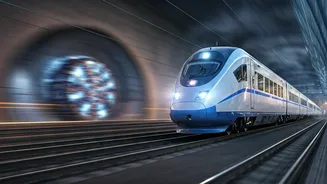
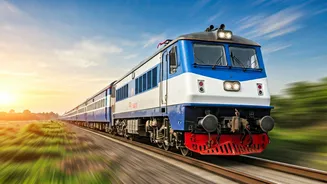
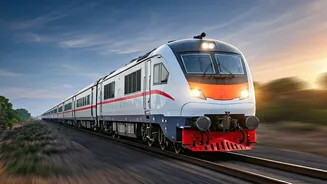
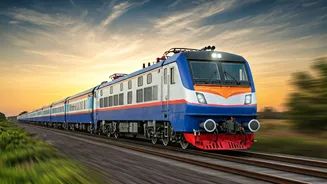
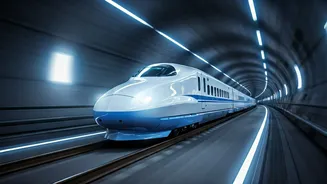
The Indian Ministry of Railways has recently unveiled the inaugural official visuals of the nation's much-anticipated bullet train. This ambitious endeavor,
a cornerstone of India's modern infrastructure development, is slated to operate on a significant 508-kilometer route connecting Mumbai and Ahmedabad. The project is leveraging cutting-edge Shinkansen technology, a system renowned for its speed and reliability, originating from Japan. Once fully operational, this high-speed marvel is engineered to achieve an impressive maximum operating speed of 320 kilometers per hour. This remarkable velocity is set to dramatically cut down the current travel duration between the two major cities, reducing a journey that typically takes over seven hours to a mere fraction, under three hours. The unveiling of these visuals marks a significant step forward, offering the public a tangible sense of the progress being made.
Design Inspiration Takes Flight
The striking aesthetic of India's bullet train has been a focal point of recent discussions, especially following the display of its first official look at Railway Bhawan. The design draws inspiration from the graceful form of a bird, a choice that evokes a sense of swiftness and elegance. This avian influence is visually represented through distinct patterned colors adorning the train's upper section, giving it a unique and dynamic appearance. Beyond its visual appeal, the design also hints at the aerodynamic efficiency required for such high-speed operations. The intricate detailing and thoughtful aesthetic choices underscore the project's commitment to creating not just a functional transportation system, but also an iconic symbol of modern India.
Project Milestones and Launch
The development of India's bullet train network is progressing at a commendable pace, with the project team consistently achieving key milestones. Recent advancements include the successful lowering of a crucial six-meter cutter head for a tunnel boring machine in Vikhroli, Mumbai. This operation is a vital step in excavating the underground tunnels necessary for the high-speed corridor, demonstrating the complex engineering challenges being overcome. These ongoing construction efforts are all building towards the highly anticipated official launch of India's first bullet train, which is officially scheduled to commence operations in August 2027. This date represents a significant target for delivering this transformative high-speed rail service to the nation.