




A Biscuit Bonanza
India boasts a rich heritage of biscuits, each representing a unique regional specialty and a testament to the country's culinary diversity. These baked
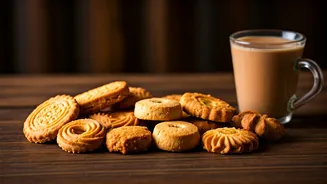
delights are not just snacks; they are integral to Indian culture, often served during social gatherings, festivals, or simply as a comforting accompaniment to a cup of chai. The wide array of biscuits caters to various taste preferences, from sweet to savory, crunchy to crumbly, ensuring there's something for everyone. This list explores 10 such treats, offering a taste of India's biscuit traditions and the stories behind them.
Nankhatai: The Classic
Nankhatai, a beloved Indian biscuit, traces its origins back to the Indian subcontinent and Persian bakers. These melt-in-your-mouth biscuits are crafted from a simple blend of all-purpose flour, gram flour (besan), sugar, and ghee (clarified butter), often flavored with cardamom or nutmeg. The use of ghee gives them a rich, crumbly texture. Nankhatai are a common sight in Indian households, especially during festive seasons like Diwali, and are enjoyed with tea or coffee. They're a perfect example of how simple ingredients can create an unforgettable flavor, highlighting India's mastery of baking.
Osmania Biscuits: Hyderabad’s Delight
Originating from Hyderabad, Osmania biscuits are a testament to the city’s culinary legacy. They were created by a baker for the then ruler of Hyderabad, Osman Ali Khan, who was known for his fondness for tea. These biscuits feature a subtly sweet and savory taste, often with a hint of salt and a slightly crunchy texture. The distinctive flavor profile of Osmania biscuits is often credited to the use of a combination of maida (refined wheat flour), butter, sugar, and a touch of salt. Their unique balance of flavors makes them an ideal companion to tea, capturing the essence of Hyderabad's rich cultural heritage.
Shrewsbury Biscuits: British Influence
Shrewsbury biscuits are a legacy of British colonial influence in India. These buttery, slightly sweet biscuits are named after the town of Shrewsbury in England. Typically, they are made using butter, flour, sugar, and often a touch of vanilla or nutmeg. The biscuits are characterized by their smooth, flat appearance and crumbly texture. Their mild sweetness and delicate flavor make them a versatile treat, perfect for any time of day. Shrewsbury biscuits stand as a reminder of the blend of cultures that have shaped India's culinary identity.
Coconut Cookies: Tropical Twist
Coconut cookies capture the tropical flavors of India, where coconuts are abundant. They are often made with shredded coconut, all-purpose flour, sugar, and butter. These cookies offer a delightful combination of textures, from chewy to crispy, depending on the baking method. Some recipes include added ingredients like cardamom or vanilla to enhance the flavor. They are widely enjoyed across the country, particularly in coastal regions where fresh coconut is readily available. Coconut cookies are a sweet reminder of India's diverse climate and ingredients.
Jeera Biscuits: Cumin Infusion
Jeera biscuits, also known as cumin biscuits, are a savory treat that offers a delightful contrast to the sweeter options. These biscuits are flavored with cumin seeds (jeera), which give them a warm, aromatic flavor. The dough typically contains all-purpose flour, butter, and seasonings like salt. Jeera biscuits are often enjoyed as an accompaniment to tea or coffee, providing a flavorful bite that complements the beverages. Their simple ingredients and bold taste make them a popular choice across the country.
Atta Biscuits: Whole Wheat Goodness
Atta biscuits are a healthier alternative, made with whole wheat flour (atta), which is a staple in Indian cuisine. These biscuits often incorporate jaggery or brown sugar, providing a natural sweetness, and are often flavored with cardamom or other spices. They have a slightly coarser texture compared to biscuits made with refined flour. Atta biscuits are a good choice for those seeking a wholesome snack. They highlight the importance of whole grains in a balanced diet.
Khari Biscuits: Flaky Delight
Khari biscuits, also known as puff pastry biscuits, are known for their flaky, layered texture. They are made by repeatedly folding layers of dough with butter, creating air pockets that expand during baking, resulting in a light and crispy biscuit. These biscuits are typically plain or lightly salted, allowing their texture to be the star. Khari biscuits are a popular choice as a tea-time snack, providing a satisfying crunch. Their simplicity and unique texture have made them a beloved treat.
Butter Cookies: Simple Elegance
Butter cookies are a classic treat, loved for their rich, buttery flavor and simple elegance. Made with butter, sugar, flour, and sometimes vanilla extract, these cookies offer a melt-in-your-mouth experience. They can be plain or decorated with sprinkles or other toppings, making them versatile for various occasions. Their simplicity makes them a timeless favorite, ideal for enjoying with a cup of tea. Butter cookies showcase how a few high-quality ingredients can create a delightful treat.
Til (Sesame) Biscuits: Nutty Flavor
Til biscuits incorporate the nutty flavor of sesame seeds (til), which adds a delicious taste and texture to this treat. The dough typically includes flour, sugar, butter, and sesame seeds, which are often toasted to enhance their flavor. These biscuits are not only tasty but also offer a good source of nutrients from the sesame seeds. Til biscuits offer a flavorful snack, and are enjoyed during the winter months, and especially during Makar Sankranti. The use of sesame seeds highlights India's diverse spice profile.