




Disrupting Gut Flora
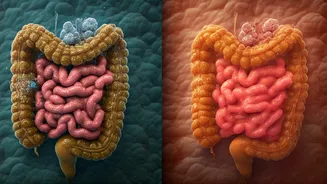
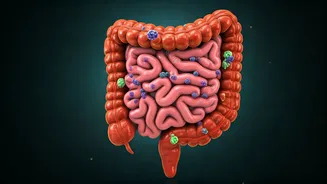
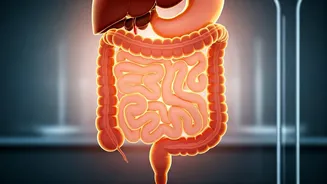
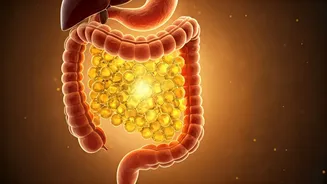
The first major consequence of antibiotic misuse is the disruption of the gut microbiome, which is the community of microorganisms that live in the digestive
tract. Antibiotics, while designed to kill harmful bacteria, also eliminate beneficial bacteria essential for digestion, nutrient absorption, and immune function. This imbalance can lead to a condition called dysbiosis, where there is a reduction in the diversity of gut bacteria. The reduction of good bacteria allows bad bacteria such as Clostridium difficile to thrive and cause infections.
Increased Antibiotic Resistance
Overuse of antibiotics contributes significantly to antibiotic resistance. Exposure to antibiotics can prompt bacteria to evolve and become resistant to those drugs. This evolution makes future infections harder to treat, potentially leading to prolonged illnesses, increased healthcare costs, and even higher mortality rates. The more antibiotics are used, the quicker bacteria develop resistance. Infections that were once easily treated can become life-threatening because the drugs are no longer effective.
Digestive Issues Explained
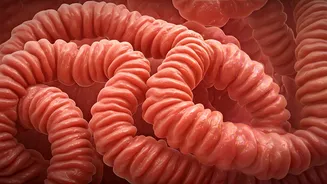
Antibiotic use can cause a variety of digestive issues. Common symptoms include diarrhea, nausea, bloating, and abdominal pain. The imbalance in gut bacteria caused by antibiotics can also lead to more serious conditions like irritable bowel syndrome (IBS) or inflammatory bowel disease (IBD). These digestive problems can affect daily life, impacting both physical comfort and emotional well-being. The alterations in gut flora can affect how the body processes food, leading to the malabsorption of nutrients.
Malabsorption of Nutrients
When the balance of gut bacteria is disrupted, the ability of the digestive system to absorb nutrients is affected. Beneficial bacteria are vital for breaking down food and helping the body extract essential vitamins and minerals. The disruption caused by antibiotics makes it difficult for the body to absorb nutrients such as vitamin B12, iron, and calcium. Deficiencies can lead to a wide range of health problems, including fatigue, anemia, and weakened bones. Long-term malabsorption can lead to chronic health issues.
Immune System Weakening
The gut plays a key role in the immune system. A healthy gut microbiome helps in training the immune system to differentiate between harmful pathogens and harmless substances. By disrupting the gut flora, antibiotics can weaken the immune system, making individuals more susceptible to infections and illnesses. The reduced number of beneficial bacteria impacts the ability of the gut to protect against invading pathogens, leading to an increased risk of infections, including respiratory, urinary, and skin infections.
Risk of C. difficile Infection
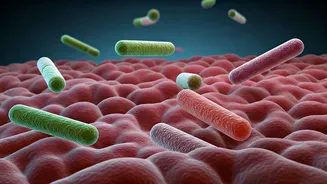
Clostridium difficile (C. diff) is a bacterium that can cause severe gut infections, especially after antibiotic use. Antibiotics disrupt the natural balance of the gut, giving C. diff the opportunity to multiply rapidly and produce toxins. This can lead to symptoms ranging from mild diarrhea to severe colitis, which may require hospitalization. In severe cases, C. diff infections can be life-threatening. The risk of C. difficile infection is significantly higher after antibiotic use, underscoring the importance of careful antibiotic stewardship.
Impact on Mental Health
The gut-brain axis, the connection between the gut and the brain, means that gut health can affect mental well-being. Research suggests that gut dysbiosis, often caused by antibiotic use, can contribute to anxiety, depression, and other mood disorders. The gut microbiome influences the production of neurotransmitters, such as serotonin and dopamine, that impact mood and mental health. Maintaining a healthy gut flora is therefore becoming increasingly recognized as being important for psychological wellness.
Increased Risk of Allergies
Early exposure to antibiotics has been linked to an increased risk of allergies and asthma in children. Changes in the gut microbiome during infancy can influence the development of the immune system. The disruption of gut flora by antibiotics might interfere with the normal development of immune tolerance, leading to a greater susceptibility to allergens. This early impact on gut health can have long-term consequences for allergic conditions and respiratory issues.
Altered Metabolism Effects
Antibiotics can affect the metabolic processes in the body. The gut microbiome is responsible for helping to regulate metabolism, which affects how the body uses energy and stores fat. Disrupting the gut flora can affect metabolism, leading to issues like weight gain and the development of metabolic disorders. The interplay between gut health and metabolism highlights the comprehensive impact of antibiotic misuse, demonstrating that changes in the gut bacteria can have broader physiological effects.
Best Practices
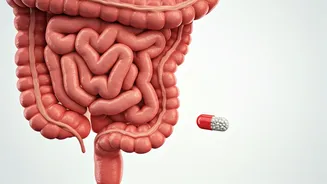
To protect gut health, use antibiotics only when prescribed by a healthcare provider. Take the full course of antibiotics as directed and consider taking probiotics during and after antibiotic use to help restore the gut microbiome. Eat a diet rich in fiber and fermented foods, like yogurt and kimchi, to support a healthy gut. Focus on lifestyle factors that promote gut health, such as stress management and getting enough sleep. The choices one makes can significantly affect gut health and the body’s overall well-being.