


Decoding the Trend
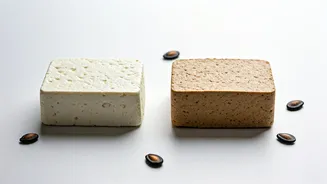
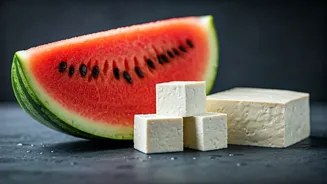
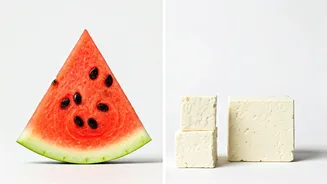
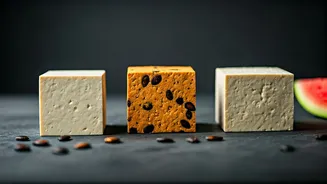
A recent social media sensation, watermelon seed paneer, is being touted as a superior plant-based alternative to conventional dairy paneer and soy tofu.
Content creators are sharing recipes for this homemade delight, sparking curiosity about its actual health advantages. However, dietary experts suggest that while it offers a unique option, it doesn't necessarily outrank established choices. The key takeaway is that each food item possesses its own distinct nutritional strengths, and the ideal selection hinges on an individual's specific health objectives and dietary requirements. It's presented not as a direct replacement, but as another facet in the diverse world of vegetarian protein sources, particularly for those seeking dairy-free or vegan alternatives.
Protein Powerhouses Compared
When assessing protein content, traditional dairy paneer emerges as the frontrunner, delivering the highest protein quantity per 100 grams, which is invaluable for muscle development and post-exercise recovery. Tofu, while containing slightly less protein, is recognized for providing complete protein, encompassing all essential amino acids, a significant advantage for vegetarians. Watermelon seed paneer occupies a middle ground, offering a moderate amount of protein that doesn't surpass either dairy paneer or tofu in terms of either quality or sheer volume. This places it as a supplementary protein source rather than a primary one for those aiming for significant protein intake.
Fat, Calories, and Heart Health
Dairy paneer typically contains a higher proportion of saturated fats, which might not be optimal for individuals monitoring their cholesterol levels or managing their weight. Conversely, tofu is leaner and more conducive to heart health, making it a preferable choice for conditions like Polycystic Ovary Syndrome (PCOS), weight loss efforts, or cardiovascular concerns. Watermelon seed paneer incorporates fats derived from seeds, which are predominantly unsaturated and considered healthier than saturated fats. Nevertheless, it remains a calorie-dense food, so it's not inherently a low-calorie option, and mindful portion control is crucial for its consumption.
Nutrient Profiles: Beyond Protein
Beyond protein, traditional paneer contributes essential nutrients like calcium and vitamin B12, which are particularly vital components of a vegetarian diet. Tofu actively supports heart health, aids in hormonal balance, and contributes to overall metabolic wellness. Watermelon seed paneer offers the distinct advantage of being entirely dairy-free and cholesterol-free. However, the current scientific evidence doesn't strongly support claims of its superiority over more established options like tofu or dairy paneer. Its appeal lies more in its novelty and plant-based nature rather than proven nutritional dominance.
Practicality and Marketing
It's important to recognize that many trending foods, including watermelon seed paneer, are often amplified by marketing strategies rather than inherent nutritional superiority. In practical terms, achieving the same protein levels found in a portion of paneer might necessitate using a significantly larger quantity of watermelon seeds, rendering it less efficient as a primary protein source. This highlights the need to critically evaluate viral food trends and focus on established, reliable sources of nutrition that align with individual dietary goals.
Tofu: The Balanced Contender
Tofu is frequently regarded as a well-rounded dietary choice. It's a plant-based food that is relatively rich in protein and contains less saturated fat compared to paneer. Furthermore, it provides iron and, if fortified, calcium. For individuals adhering to vegetarian or vegan diets, tofu generally serves as a more consistent and dependable source of protein than alternatives derived from seeds.
Who Should Try Seed Paneer?
Watermelon seed paneer can be a beneficial inclusion for individuals who are lactose intolerant, follow a vegan lifestyle, or simply wish to broaden the variety in their diet. It's also advantageous for those seeking to increase their intake of plant-based fats and essential minerals. However, it's crucial to understand that it shouldn't be perceived as a direct substitute for the protein provided by dairy paneer or tofu.
Making Watermelon Seed Paneer
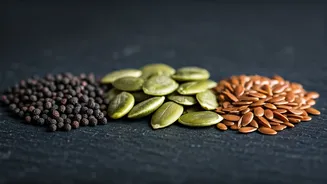
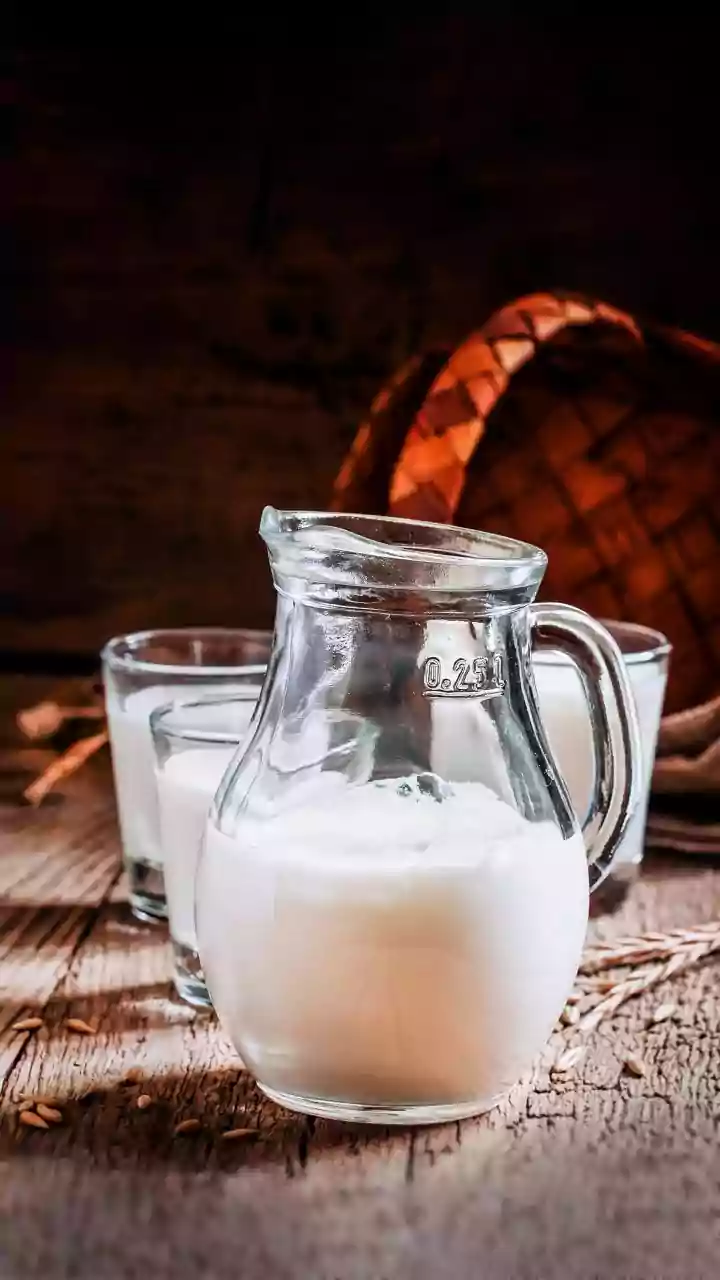
Creating watermelon seed paneer at home involves a few straightforward steps. Begin by soaking approximately 250 grams of hulled watermelon seeds overnight. The next day, blend these soaked seeds with 1 litre of water until smooth. Subsequently, strain this mixture through a muslin cloth to extract the liquid. This liquid is then heated on a low flame, and you can add seasonings and salt to taste. To curdle the mixture, allow it to do so naturally or use a solution of vinegar mixed with water in a 1:3 ratio. After curdling, strain the mixture again, and then press the resulting paneer with a weight for 2 to 3 hours to achieve a firm consistency.
Strategic Dietary Integration
Each of these options—dairy paneer, tofu, and watermelon seed paneer—serves distinct nutritional purposes. Dairy paneer excels in protein content but is higher in fat. Tofu offers a leaner, more balanced nutritional profile, while watermelon seed paneer introduces variety along with healthy fats. Instead of viewing them as replacements, it is more beneficial to incorporate them into your diet by rotating these options based on your specific nutritional requirements and overall eating patterns. Dairy paneer remains ideal for high protein intake and muscle building, tofu is the most balanced for general health, weight management, and hormonal conditions, and watermelon seed paneer can be enjoyed as an occasional plant-based alternative, though not considered nutritionally superior.