






The Low-Cost Paneer Dilemma
A viral video has sparked a conversation about the prevalence of 'fake' paneer, particularly after a Pune doctor questioned a street vendor about paneer sandwiches
priced at an astonishingly low Rs 20. The vendor's response hinted at the use of a milk-free alternative. This situation highlights a broader issue where cost-cutting measures may lead businesses, from small eateries to established restaurants, to opt for synthetic paneer. The core concern is that this 'analog paneer,' often made with palm oil, hydrogenated vegetable oils, starches, and chemical emulsifiers, is being passed off as the genuine dairy product. The economic pressure to offer lower prices appears to be driving the adoption of these cheaper, less wholesome substitutes, raising questions about consumer safety and transparency in the food industry across India.
Understanding Analog Paneer
The paneer that might be making its way into your meals is not derived from milk, but rather a concoction of ingredients designed to mimic its texture and appearance. This synthetic substitute, known as 'analog paneer,' typically relies on a base of palm oil or hydrogenated vegetable oil. To achieve the characteristic firmness and chewiness of real paneer, manufacturers incorporate starches and synthetic emulsifiers. These components, alongside various chemicals, are crucial in replicating the sensory experience of traditional paneer without the expense of dairy. The man in the video elaborates that this cost-effective alternative is widely adopted by various food establishments, suggesting a potentially widespread issue that consumers are unaware of when purchasing paneer-based products.
Health Risks of Fake Paneer
The widespread use of analog paneer is not just a matter of culinary authenticity; it carries significant health implications. The synthetic alternative is often laden with trans fats, which are notorious for their detrimental effects on cardiovascular health. Regular consumption of foods high in trans fats can lead to an increased risk of heart disease, contributing to blockages and other circulatory problems. Furthermore, the preservatives and chemicals used in analog paneer can potentially lead to long-term health issues, including obesity due to high-fat content and possible liver damage. The doctor's warning emphasizes that while the price may seem appealing, the hidden cost to one's well-being can be substantial, urging consumers to be more vigilant about the ingredients in their food.
Simple Tests for Real Paneer
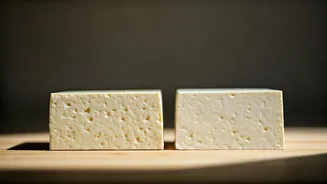
Fortunately, consumers can employ a few straightforward methods to discern between genuine paneer and its synthetic counterpart. The initial indicator is often the price; if a paneer product seems exceptionally cheap, it warrants suspicion. Real paneer has a distinct texture – it's typically crumbly and doesn't possess a rubbery or overly chewy consistency. A more definitive test involves a simple iodine solution. When a small amount of iodine is applied to real paneer, it will not change color. However, if starch has been added to the paneer, as is common in analog versions, it will turn a distinct blue hue. This iodine test is a reliable way to detect adulteration and ensure the paneer you are consuming is the authentic, milk-based product.
Incidents and Consumer Reactions
The concerns surrounding fake paneer are not isolated incidents. In October 2025, authorities in Noida seized a substantial 550 kg of fake paneer during food safety checks, underscoring the scale of the problem. This action followed a broader investigation by the Food Safety and Standards Authority of India, which revealed alarming statistics: 83 percent of paneer samples failed quality tests, with nearly 40 percent deemed unsafe due to adulterants. Social media reactions to the viral video have been a mix of alarm and advice, with many users advocating for homemade paneer to guarantee purity. Comments ranged from urging government action against adulteration to expressing general distrust in food products, highlighting a growing consumer awareness and demand for safer, more transparent food sources.