
A Historic Partnership
The India-EU Free Trade Agreement (FTA), as described by Prime Minister Modi, marks a significant moment in the economic relationship between India and
the European Union. This agreement is envisioned not just as a trade deal but as a strategic partnership designed to enhance economic cooperation between the two regions. The FTA is aimed at facilitating stronger economic ties, leading to job creation for the younger generation, and opening up fresh prospects for businesses. Moreover, the agreement is expected to foster shared prosperity, indicating a collaborative approach where both entities benefit equally from the increased trade and investment. It is also designed to construct more resilient and robust global supply chains, an essential aspect for dealing with potential disruptions and ensuring economic stability in the long run.
Boosting Economic Ties
One of the central goals of the India-EU FTA, as highlighted by PM Modi, is to significantly strengthen the economic relationship between India and the EU. This involves a commitment to reduce trade barriers, streamline trade procedures, and improve investment flows. The expectation is that this will lead to increased trade volumes, creating a more integrated and dynamic economic environment. Through this agreement, India aims to diversify its trading partners and tap into the EU's vast market, while the EU seeks to capitalize on India's rapidly expanding economy and its position as a major player in the global market. The intensified economic collaboration is anticipated to create a virtuous cycle of growth, benefiting both sides through enhanced trade, investment, and technological exchange.
Creating Youth Jobs
The India-EU FTA is projected to have a positive impact on employment opportunities, especially for the youth. By expanding trade and investment, the agreement is expected to stimulate economic activities across various sectors, leading to the generation of new jobs. These new employment opportunities will span across several industries, from manufacturing to services, catering to diverse skill sets. The FTA is designed to encourage both domestic and foreign investment, thus contributing to the expansion of existing businesses and the establishment of new ones. Consequently, it creates a more dynamic job market, providing young professionals with more options and promoting career growth. This focus on job creation signifies the FTA's dedication to improving the lives of Indian citizens by reducing unemployment and fostering economic progress.
Unlocking New Business
The FTA with the EU is set to unlock a wide array of new opportunities for businesses operating in India. By reducing tariffs, easing trade regulations, and enhancing market access, the agreement aims to make it easier and more profitable for Indian companies to export their goods and services to the EU market. Simultaneously, it allows for easier entry for European businesses into India, fostering investment and technology transfer. This mutual market access is expected to encourage businesses to expand their operations, innovate, and become more competitive on a global scale. SMEs and large enterprises alike are expected to benefit from this, which can further fuel economic growth and create an environment conducive to innovation and entrepreneurship, supporting the Make in India initiative.
Fostering Shared Prosperity
A critical aspect of the India-EU FTA is its focus on fostering shared prosperity. This indicates that the agreement is not just about expanding trade and investment but also about ensuring that the benefits of economic growth are shared equitably between India and the EU. This strategy is expected to involve initiatives that support sustainable economic development, social inclusion, and environmental protection. By working together, India and the EU can promote policies and practices that foster a balanced distribution of resources and benefits, preventing disparities and ensuring long-term stability and growth. This shared commitment to prosperity also strengthens the partnership's capacity to address global challenges such as climate change, poverty, and inequality.
Strengthening Supply Chains
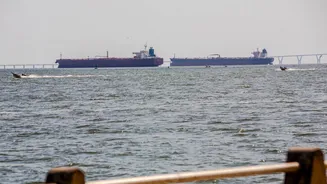
The India-EU FTA is aimed at building stronger global supply chains, improving their resilience, and mitigating potential disruptions. This is especially important in today's interconnected global economy, where stable and reliable supply chains are essential for trade and economic stability. The agreement aims to streamline trade procedures, improve logistics, and reduce trade barriers, thus facilitating the smooth flow of goods and services between India and the EU. This will enhance the efficiency and reliability of supply chains, making them less susceptible to external shocks. Stronger supply chains can also promote greater competitiveness by decreasing costs and enhancing production efficiency. This focus reflects an understanding of how vital it is for countries to work together to ensure that global trade continues to flow efficiently and safely, safeguarding the stability of the global economy.