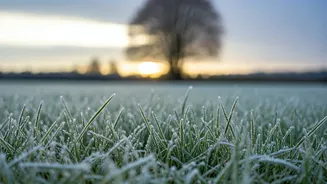

Cold Wave Grips NCR
The Delhi-NCR region is currently under the grip of a significant cold wave, with the mercury levels plummeting. The India Meteorological Department (IMD)
has reported that the temperature in Delhi dipped to a frigid 3.3 degrees Celsius. This drop in temperature has resulted in very cold conditions, influencing daily life for people across the region. The impact of the cold wave can be seen everywhere, from the way people dress to the routines they follow, as they seek protection from the harsh weather.
Impact on Daily Life
The sharp decrease in temperature has a notable impact on the lives of people in Delhi-NCR. Commuting and outdoor activities are affected, with many choosing to stay indoors to avoid the cold. The need for warm clothing, heaters, and other winter essentials has increased considerably. Authorities are providing support to vulnerable populations, and health officials are emphasizing the need for caution to avert cold-related ailments. This situation underscores the importance of being prepared for extreme weather events and adapting daily activities to suit prevailing conditions.
IMD's Predictions
The IMD closely monitors and forecasts weather patterns, offering critical information to the public. As the cold wave intensifies, the IMD's forecasts are crucial for informing residents about what to expect. These predictions advise people on the coldest times of the day, how long the cold wave is expected to last, and other relevant factors. Residents can use this information to strategize and make necessary adjustments to their activities, safeguarding their well-being and mitigating the impacts of the extreme cold. The consistent updates from the IMD play a significant role in weather preparedness and making smart choices during this period.
Health Precautions
The decrease in temperatures brings with it a greater risk of various health problems. Respiratory infections, hypothermia, and other cold-related illnesses become more common. Health professionals emphasize taking steps such as wearing warm clothing, consuming hot beverages, and staying indoors when feasible to lower the risk. It is also important to maintain physical fitness and to seek medical assistance as soon as symptoms arise. By adopting these preventive measures, people can safeguard their health during this period of extreme cold, securing their overall wellness in the face of harsh weather conditions.
Community Response
The cold wave typically brings about responses from several community groups. Municipal authorities often initiate programs to supply shelter and support for vulnerable groups. Charities and local volunteer organizations may distribute blankets, food, and other essentials to those in need. Individuals also come forward to aid their neighbors and communities, highlighting the cooperative spirit. This collective effort demonstrates a shared responsibility for each other's welfare, demonstrating unity and resilience in dealing with the challenges posed by extreme weather.