
India's Interests Defined
India's involvement in the US-Iran situation is multifaceted, driven by both economic and strategic interests. One major concern is the Chabahar port project
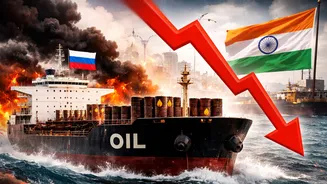
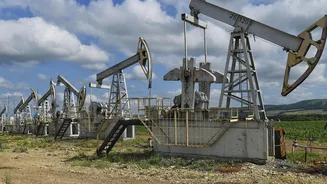
in Iran, a crucial link for India to access Afghanistan and Central Asia, bypassing Pakistan. Investments in this port are vital for regional connectivity and trade. Furthermore, India relies heavily on Iranian oil imports, which have implications for its energy security. Any disruptions or sanctions impacting Iran could directly affect India's energy supply and economic stability. Therefore, India closely monitors the developments to protect its investment and safeguard its economic interests in the region, making sure that it can continue importing oil.
Economic Ties Overview
The economic relationship between India and Iran is significant, encompassing trade in various sectors. Historically, India has imported substantial quantities of crude oil from Iran, offering a vital source of energy. Additionally, India exports goods like rice, pharmaceuticals, and engineering products to Iran, contributing to its export revenues. Amidst the US sanctions, India has previously explored mechanisms to maintain trade with Iran, such as using alternative payment systems to avoid violating international regulations. India has demonstrated its commitment to sustained economic relations with Iran, recognizing the importance of the economic relationship in regional diplomacy and overall stability in the area. India continues its strategy of seeking a balance between its interests and its international obligations in the fluctuating situation.
Strategic Considerations
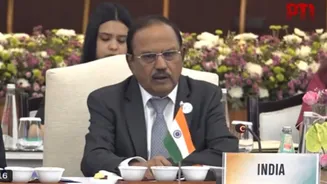
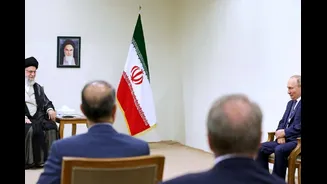
India's strategic outlook in relation to the US-Iran dynamics is also complicated by regional power dynamics. India has traditionally aimed to maintain friendly relations with both the United States and Iran, pursuing a balanced approach to avoid alienating either side. India's partnerships with both Iran and the United States serve different strategic purposes. For example, India is part of the Quad grouping with the US, which focuses on security cooperation in the Indo-Pacific. Simultaneously, India continues to value its historical ties with Iran, which is crucial in terms of energy and regional connectivity. India will thus continue its efforts to promote peace and stability while defending its regional influence through diplomatic channels and maintaining strong strategic relationships with the United States and Iran.
Diplomatic Balancing Act
India's diplomatic response to the US-Iran tensions has always aimed at maintaining equilibrium in its foreign policy. India has frequently advocated for dialogue and diplomacy, urging all parties involved to resolve their differences peacefully. India consistently emphasizes the importance of respecting international law and the sovereignty of nations. India's foreign policy has a focus on promoting dialogue to reduce tensions and encourage peaceful resolutions. Despite the different pressures it experiences, India continues its policy of non-alignment. India has thus tried to maintain open channels of communication with all relevant stakeholders, offering diplomatic support to reduce tensions and assist peaceful solutions.
Potential Headwinds
The US-Iran tensions carry risks for India. The imposition of new sanctions on Iran could directly impact India's trade and investment ties, especially in energy imports and infrastructure projects. India's Chabahar port investments, which are critical for regional connectivity, could face delays or disruptions because of these sanctions. A destabilized Middle East could also cause security risks, impacting the security of Indian nationals and investments in the area. India must navigate these challenges while ensuring the protection of its interests in a turbulent region. India continuously assesses the shifting dynamics and adapts its strategy in response to international events and to secure its regional interests.