






The Induction Boom
Recent global events, particularly disruptions in West Asia, have led to a dramatic increase in energy prices, including LPG cylinders in India. This economic
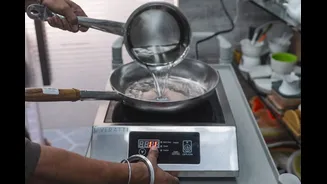
pressure has compelled many Indian households to seek alternative cooking methods. Consequently, induction cooktops have experienced an unprecedented surge in demand. Online retailers have reported significant stock shortages as consumers actively transition to this more energy-efficient and modern kitchen appliance. This shift signifies a major change in how Indians are approaching their daily cooking needs, driven by both necessity and a growing interest in advanced technology.
Under the Surface
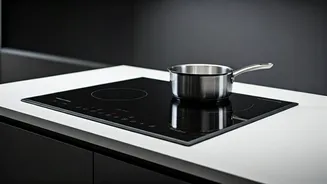
Unlike traditional gas stoves that rely on an open flame produced by combustion, induction cooktops operate on a fundamentally different principle. The magic happens beneath the smooth ceramic or glass exterior. Here, a coil made of copper is meticulously wound. When the cooktop is switched on, an alternating current (AC) flows through this coil, generating a dynamic magnetic field that extends just above the cooking surface. This invisible field is the key to the induction cooktop's heating capabilities, paving the way for a cleaner and more controlled cooking experience without the need for an open flame.
Magnetic Magic
The heating process on an induction cooktop is initiated when a ferromagnetic pot or pan is placed on its surface. The rapidly changing magnetic field generated by the copper coil induces electrical currents directly within the base of the cookware. These induced currents then generate heat through electrical resistance within the metal itself. This direct heating of the pan means the food cooks efficiently, and remarkably, the cooktop's surface remains cool to the touch. Any heat the surface does acquire is only from direct contact with the hot pan, making it a safer and more responsive way to cook.
Cookware Compatibility
The efficiency and unique heating mechanism of induction cooktops mean that not all cookware is suitable for use. For induction to work effectively, the cookware must be made of ferromagnetic materials. This typically includes iron and certain types of stainless steel that possess magnetic properties. Cookware made from materials like glass, copper, aluminum, or non-magnetic stainless steel will not work with an induction cooktop because they cannot be magnetized by the cooktop's magnetic field, thus preventing the induction of electrical currents and subsequent heat generation.