
The Day's Importance
Makar Sankranti, occurring annually on January 14th, holds a special place in the hearts of Indians. This timing is rooted in the astronomical movement
of the sun into the zodiac sign of Capricorn (Makar). The festival symbolizes the end of the winter solstice and the start of longer days, representing a period of positivity and renewed energy. The celebration isn't confined to a single ritual or custom; instead, it manifests diversely across the country. Different regions celebrate with their unique traditions, emphasizing themes of harvest, gratitude, and community bonding. The day is also considered auspicious for new beginnings, and many people undertake charitable activities and religious observances.
Scientific Significance Unveiled
Beyond its cultural significance, Makar Sankranti has a scientific backdrop. The shift in the sun's trajectory influences the Earth's climate, bringing in milder weather conditions. This celestial event also signifies the start of the Uttarayana period, when the sun starts its northward journey. This period is associated with an increase in sunlight hours, which is believed to have a positive impact on both physical and mental well-being. The traditional practices during Makar Sankranti, such as kite flying and community feasts, are also viewed as ways to harness solar energy and social connections, providing people with physical activity and opportunities for socializing. These traditions intertwine scientific understanding with the celebration of the festival, making it a holistic experience.
Regional Celebrations Detailed
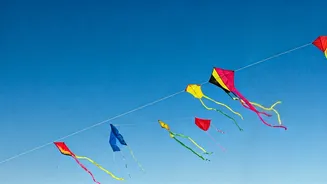
Makar Sankranti isn't celebrated uniformly across India, and each region adds its unique flavor. In Gujarat, the festival is synonymous with kite flying, where the sky fills with colorful kites. In Maharashtra, people exchange sesame seeds and jaggery as a symbol of goodwill and sweetness in relationships. The celebrations in Tamil Nadu are known as Pongal, a multi-day harvest festival where traditional dishes are prepared, and homes are adorned with decorations. In Punjab, the festival is celebrated as Maghi, with bonfires and traditional dances marking the occasion. The diversity of rituals and practices highlights the richness of Indian culture, where each state embraces the festival with its specific traditions, reflecting the agricultural and social context of the region.
Stories and Mythology
Makar Sankranti is also steeped in compelling stories and mythological narratives. One common belief is linked to the sun god, Surya, and his journey to meet his son, Shani, the lord of Capricorn. Another narrative focuses on the significance of the river Ganges and the auspicious moment of the sun's entry into Capricorn, marking the beginning of the day. These stories add a spiritual and emotional depth to the festival, providing a framework for cultural understanding and observance. The tales often emphasize the importance of devotion, family values, and the triumph of good over evil. Such stories are passed down through generations, weaving traditions and cultural values into the celebrations.
Food and Festive Flavors
The culinary aspect of Makar Sankranti is as vibrant as its other traditions. Traditional dishes vary by region, but sweets made from sesame seeds and jaggery are widely popular. In Gujarat, people feast on Undhiyu, a mixed vegetable dish, and Chikki, a sweet made from peanuts and jaggery. In Maharashtra, the exchange of sesame seeds and jaggery is accompanied by the sharing of dishes like Puran Poli. Pongal, the Tamil Nadu harvest festival, features the preparation of a sweet rice dish also called Pongal, along with other delicacies. These food traditions not only satisfy the taste buds but also symbolize prosperity, well-being, and the collective spirit of the community. The variety and flavors of Makar Sankranti cuisine also reflect the diverse agricultural practices and culinary traditions across India.
Significance and Impact
The impact of Makar Sankranti extends beyond its festive celebrations, carrying significant social and economic implications. The festival usually marks the end of the harvest season in many regions, which brings in a time of abundance. This contributes to economic well-being and allows the sale of agricultural products. It is also an occasion for communities to strengthen social ties through shared meals, cultural performances, and traditional games. Makar Sankranti acts as a reminder of the unity in diversity that defines India. It is a time for introspection, new beginnings, and celebration of the country’s rich cultural heritage. The festival reinforces a sense of shared identity and strengthens the bonds among different communities, promoting harmony and togetherness.