






Technical Glitch Emerges
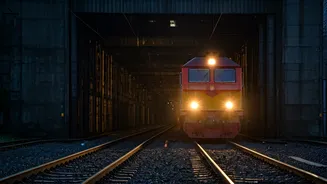
On a recent morning, the Western Railway network faced a major setback when a technical issue surfaced at the Kandivli car shed. This facility is crucial
for the maintenance and management of the trains that serve the Mumbai suburban network. The problem, though specific to the car shed, immediately translated into widespread consequences for the railway's operational efficiency. The nature of the technical glitch was not immediately disclosed, but its impact was readily apparent as train services were significantly impacted, leaving passengers facing unexpected delays and altered schedules. The ripple effects of this incident highlighted the critical role that car sheds play in maintaining the smooth functioning of a busy railway system and the vulnerability to disruption caused by technical issues.
Impact on Commuters
The consequence of the technical glitch at the Kandivli car shed was immediately felt by the commuters who rely on the Western Railway for their daily travel. As trains were delayed and schedules were disrupted, platforms became crowded, with passengers crammed into limited spaces. The impact was particularly harsh during the morning rush hour when thousands of people depend on the trains to get to work, school, and other commitments. The cascading delays also caused widespread frustration, with commuters sharing their experiences of long waits and crowded conditions. The railway authorities had to manage a surge of complaints and demands for information. The incident underscored the significant challenges of managing a massive public transport system during unforeseen operational setbacks, causing significant inconvenience for the public.
Response and Recovery
In response to the disruption, the Western Railway authorities quickly deployed their resources to address the technical issue and restore normal services. Teams of engineers and technicians were mobilized at the Kandivli car shed to diagnose and fix the problem. The railway also provided real-time updates to commuters through various channels, including announcements and social media. Efforts were made to manage the flow of passengers, ensuring the efficient use of the available train services. The focus was on minimizing the impact of the delays and providing clear, timely information to passengers. As the technical issue was addressed and resolved, the railway began the process of restoring its schedule, aiming to minimize the lasting impacts on the daily commute of its passengers. The success of these initiatives revealed the value of swift action and effective communication in restoring order during periods of disruption.
Lessons and Implications
The Kandivli car shed glitch served as a reminder of the fragility of complex infrastructure systems and the crucial importance of proactive maintenance and preparedness. The incident exposed areas where the railway network might be vulnerable and highlighted the importance of robust contingency plans. It showed the value of real-time monitoring of operational activities to spot and address potential problems. In the wake of this disruption, it is expected that the Western Railway will review its procedures, including preventative maintenance, disaster readiness, and the methods used to manage public communications when facing operational difficulties. The event serves as a call for continuous improvement to bolster the ability of the railway to remain resilient and reliable in its delivery of services to the Mumbai public.