





The Viral Trend
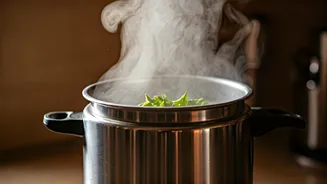
The method of brewing tea in a pressure cooker has gained substantial online attention. This innovative technique involves placing tea leaves and water
inside the pressure cooker and allowing it to brew. Proponents claim that this method extracts maximum flavor and produces a more robust brew. As videos and discussions continue to spread, this novel method has sparked debates on social media platforms, with tea enthusiasts and casual observers alike sharing their experiences, opinions, and questions about the pressure cooker tea trend.
Brewing Process Explained
The procedure for brewing tea in a pressure cooker is relatively simple. The initial step involves putting tea leaves and water directly into the cooker. Then, the cooker is sealed and heated, allowing the pressure to build. Brewing time may vary depending on the type of tea and personal preferences, but it is typically a very short process, often within a few minutes. Following the brewing time, the pressure is released, and the tea is strained to remove the leaves. The resulting tea is then ready to be enjoyed. Some people might add milk, sugar, or other ingredients to create a personalized flavor profile.
Potential Benefits Explored
Brewing tea in a pressure cooker could offer several advantages, according to its supporters. One benefit could be the ability to extract more flavor from the tea leaves. The high pressure and temperature might release more compounds, leading to a richer and more intense taste. Moreover, the method could potentially speed up the brewing process, providing a quick solution for those with a busy lifestyle. Furthermore, the method might be able to create a more consistent brew each time, removing some of the variables typically associated with traditional brewing methods. Some users have also noted that the process can be used to make large batches of tea easily, making it suitable for gatherings.
Potential Drawbacks Discussed
While the pressure cooker tea method presents benefits, there are possible downsides to consider. One primary concern is the potential for over-extraction. Excessive heat and pressure could result in a bitter or overly strong brew if the timing isn't right. Another concern is that some tea varieties might not fare well under high pressure, potentially losing some of their delicate flavors. Moreover, the need to thoroughly clean the pressure cooker after brewing tea is essential to prevent lingering odors and flavors from affecting future dishes. Finally, the process might not be as straightforward as traditional methods, requiring some experimentation to achieve the ideal results.
Online Reactions Examined
The online response to the pressure cooker tea trend has been diverse. Some people have expressed enthusiasm, sharing positive experiences and tips for the best brews. Others are more skeptical, voicing concerns about the potential for bitterness or the impact on tea flavors. Various tea enthusiasts have shared their thoughts on social media, with some highlighting the uniqueness of the brewing method and others advising caution. Online forums have been filled with debates about the ideal brewing times, tea types, and whether the results are truly superior to traditional methods. Review videos and tutorials showcase the technique, while some people have mocked the idea.
Why This Trend?
Multiple factors explain why the pressure cooker tea brewing trend has become so popular. The viral nature of social media plays a crucial role, allowing the technique to quickly spread among online communities. The innovative aspect of the method also attracts attention, as people are always looking for new ways to make familiar items. In addition, the easy accessibility of pressure cookers in many households contributes to the popularity. Curiosity and a desire to experiment with different brewing methods also drives engagement. Finally, the ability to share results and engage in discussions online amplifies the trend, creating a cycle of interest.
Alternatives to Consider
While the pressure cooker tea method may appeal to some, traditional tea brewing methods remain excellent options. Stovetop brewing allows for precise control of temperature and brewing time, which is essential for preserving the unique qualities of different tea varieties. French presses provide a simple way to brew a full-bodied cup of tea. Tea infusers are an easy way to prepare a single serving. Each method offers a different way to prepare tea, allowing enthusiasts to experiment and find what suits their preferences. Ultimately, the best method depends on personal taste, the type of tea, and the desired level of control over the brewing process.
Final Thoughts
Brewing tea in a pressure cooker is a novel idea generating considerable buzz. While it promises faster and potentially more flavorful results, it comes with a few caveats. Whether it will become a mainstream brewing method remains to be seen, but it has certainly captured the attention of tea lovers and culinary enthusiasts. As with any brewing technique, personal experimentation and preference play a key role in finding the best way to enjoy tea. The trend demonstrates the ongoing desire to explore innovative approaches to classic beverages and the impact of the digital world on the popularity of such trends.