





Sudden Shutdown Shock
A burgeoning culinary venture in Bengaluru faced an abrupt halt just days after its grand opening on March 6th. The proprietor, a restaurateur from Delhi,
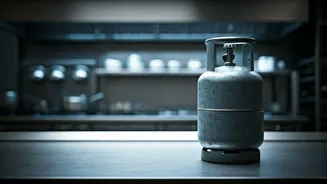
had expanded his operations to the Garden City, only to be met with a critical scarcity of commercial LPG cylinders essential for kitchen operations. This lack of a steady gas supply rendered the cooking facilities unusable, compelling the owner to make the difficult decision to temporarily shutter the establishment. The news of this swift closure, occurring mere days after welcoming its first patrons, came as a significant surprise and disappointment to both the owner and the local community, highlighting the fragility of even well-laid business plans when confronted with essential supply chain disruptions.
Owner's Heartbreak
The restaurateur took to the social media platform X, formerly Twitter, to convey the unfortunate news of the temporary closure. His heartfelt post expressed deep disappointment, stating, "My heart is broken but the spirits are alive. We will come back stronger once the gas situation improves." This candid announcement quickly resonated online, drawing considerable attention and sparking conversations among users who were taken aback by the rapid downfall of a new establishment. The post garnered over two lakh views within hours, igniting discussions about the prevalent LPG shortage and prompting users to share their own experiences and perspectives on the matter. The owner’s brave but somber announcement underscored the emotional toll such unexpected business setbacks can have.
Online Reactions & Solutions
The announcement of the Bengaluru restaurant’s premature closure due to gas scarcity triggered a wave of online engagement and advice. Users inquired about the severity of the situation in other cities, with the owner noting "black marketing" as a factor. Some commenters offered explanations, attributing the shortage to global issues like Middle Eastern conflicts, while expressing solidarity with government efforts to resolve the problem. A more practical suggestion involved diversifying cooking methods, proposing the use of induction or infrared cooktops as an alternative. Users noted that while these alternatives might require an initial investment in compatible cookware, they could potentially offer a more stable cooking solution and even be more cost-effective in the long run compared to the fluctuating availability and cost of commercial LPG cylinders.
Wider Impact in Bengaluru
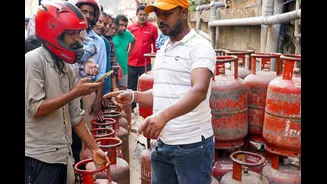
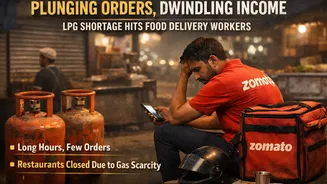
The challenges faced by the newly opened Bengaluru restaurant are not isolated incidents; reports indicate that numerous food businesses across the city are grappling with similar issues stemming from the limited availability of commercial LPG cylinders. This widespread shortage has led several hotels and restaurants to scale back their operations or reduce their menu offerings to conserve resources. Furthermore, the impact extends to paying guest accommodations that provide meals to students and tech workers, with some facilities issuing warnings to residents about potential limitations in food services should the gas supply crisis persist. The situation underscores a significant operational hurdle for the city's vibrant food industry, prompting a broader reevaluation of essential supply chains and contingency planning.