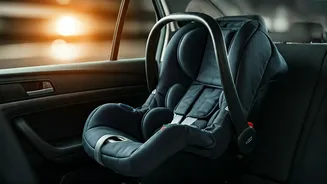




Why Car Seats Matter
Car travel with a baby presents unique safety challenges, and the idea that a parent's lap is the safest place is a dangerous misconception. In the event
of sudden braking or a collision, even a minor one, the forces involved can easily cause an infant to be thrown or dropped, leading to severe injuries. The only truly secure method for transporting a baby in a vehicle is by using an appropriate car seat designed for their age and weight. For infants, rear-facing car seats are specifically recommended as they offer superior support for their delicate heads, necks, and spines, significantly mitigating risks during transit.
Debunking Common Myths
Several prevalent myths surround baby car seats, often leading parents to make unsafe choices. A common misconception is that car seats are unsuitable for newborns or premature babies due to concerns about back and neck support. In reality, these seats are designed to provide excellent support and comfort, even for the most vulnerable infants. Another myth suggests all car seats are identical; however, they vary significantly in design, safety features, and standards, necessitating careful selection based on the child's age, weight, and height. Furthermore, the notion that car seats are only for older babies or essential only for long drives is incorrect. Infants need protection from birth, and safety is paramount on all journeys, regardless of duration. Studies show that using a suitable car seat can reduce a child's risk of injury by approximately 70% and death by 28% compared to using seat belts alone.
Choosing the Right Seat
Selecting the ideal car seat involves several key considerations to ensure optimal safety and comfort for your child. Prioritize ease of cleaning, as spills and messes are inevitable with young children; look for seats with removable and washable fabric components. The seat should also be straightforward to install and use, as correct installation is crucial for safety. While not mandatory in India, seats with ISOFIX installation offer a globally recognized safer way to secure children by anchoring directly to the car's frame. Adjustability is also vital, allowing the seat to grow with your child in terms of height and length, and accommodate different clothing thicknesses. Finally, consider comfort features like padding and reducer cushions, especially for newborns, and ensure the seat offers adequate side impact protection for the head, neck, and chest.
Safe Travel Practices
Ensuring a safe and pleasant travel experience with your baby involves more than just having the right car seat; it requires smart planning and attentive practices. Before embarking on any journey, conduct a thorough pre-trip checklist to confirm the car seat is securely installed and that loose items within the vehicle are stowed away to prevent them from becoming projectiles. Planning your trips around your baby's schedule, ensuring they are well-rested and fed, can significantly contribute to a smoother ride. Packing engaging toys or soft books can help keep your baby content. Utilize rear-facing mirrors or monitors to keep an eye on your child without compromising road focus. If driving alone, familiarize yourself with your car's layout to manage minor needs without distraction. For longer drives, schedule regular breaks for feeding, diaper changes, and to allow your baby some time out of the seat. Having a companion in the rear seat can provide invaluable extra support and attention to your little one.