







Ebola Outbreak Declared PHEIC
The World Health Organization (WHO) has officially designated the current Ebola outbreak affecting the Democratic Republic of Congo and Uganda as a Public
Health Emergency of International Concern (PHEIC). This significant declaration followed reports of over 300 suspected cases and 88 fatalities. Director-General Tedros Adhanom Ghebreyesus clarified that while this constitutes a global health emergency, it does not yet align with the criteria of a pandemic emergency, distinguishing it from situations like the COVID-19 pandemic. The decision was influenced by considerable uncertainties surrounding the exact number of infected individuals and the geographical extent of the outbreak, alongside a limited grasp of the epidemiological links connecting current cases to known ones. The WHO also issued a recommendation against the closure of international borders, advising a coordinated global approach to surveillance, prevention, and response.
Understanding the Ebola Virus
Ebola virus is a severe, often fatal zoonotic infectious disease that originates in animals and can be transmitted to humans. It is caused by viruses belonging to the genus Orthoebolavirus, with specific strains including Ebola virus, Sudan virus, and Bundibugyo virus. The disease is characterized by hemorrhagic fevers and carries an average case fatality rate of approximately 50%. The current outbreak is attributed to the Bundibugyo virus, a less common variant for which no specific therapeutics or vaccines are yet approved. While Ebola outbreaks are not unprecedented in Congo and Uganda, this marks only the third occurrence of the Bundibugyo virus being identified, with the majority of cases reported in Congo, and two isolated cases appearing in neighboring Uganda.
Transmission Pathways Explained
Ebola is a zoonotic disease, meaning it originates in the animal kingdom, particularly in wild animals like fruit bats. Humans typically contract the virus through direct contact with bodily fluids or blood from infected animals such as fruit bats, chimpanzees, gorillas, monkeys, forest antelope, or porcupines, especially if these animals are found sick or deceased in rainforest environments. Once it enters the human population, Ebola spreads through close contact with the blood, secretions, organs, or other bodily fluids of infected individuals. Transmission can also occur through contact with environments contaminated by the virus, such as bedding or clothing. Bodily fluids like vomit, blood, and semen can all carry the virus, posing a significant risk of transmission.
Recognizing Signs and Symptoms
The onset of Ebola symptoms can be abrupt, with an incubation period ranging from two to 21 days after exposure. Initial signs, as defined by the WHO, often include fever, fatigue, malaise, muscle aches, headaches, and a sore throat. These early symptoms can progress to more severe manifestations such as vomiting, diarrhea, abdominal pain, rash, and indicators of impaired kidney and liver function. Contrary to common perception, bleeding is not a universal early symptom and can occur later in the disease's progression. Some patients may experience internal and external bleeding, including blood in vomit and stool, nasal bleeding, gum bleeding, and vaginal bleeding. Bleeding can also manifest at sites of skin punctures. Neurological impacts can include confusion, irritability, and aggression.
Diagnosis and Testing Methods
Given that Ebola symptoms can overlap with those of other viral illnesses, precise diagnostic methods are crucial for confirmation. Key laboratory tests employed for identifying the virus include the reverse transcriptase polymerase chain reaction (RT-PCR) test, which detects viral genetic material. The antibody-capture enzyme-linked immunosorbent assay (ELISA) test is used to detect antibodies produced by the body in response to the virus. Additionally, antigen-capture detection tests can identify specific viral proteins. For definitive confirmation and to further study the virus, virus isolation by cell culture is also utilized.
Treatment and Containment Strategies
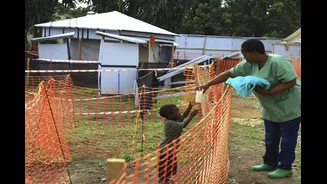
For the treatment of Ebola, the WHO recommends the use of monoclonal antibodies, specifically mAb114 (ansuvimabTM) and REGN-EB3 (InmazebTM). These treatments have shown efficacy in managing the disease. Containment of Ebola outbreaks relies on a multi-faceted approach. This includes the safe and dignified disposal of deceased individuals who have succumbed to the virus. Crucially, contact tracing is a vital component, involving the identification of all individuals who may have been exposed to an infected person and diligent monitoring of their health for a period of 21 days. Isolating sick individuals from healthy ones is essential to prevent further transmission, alongside providing dedicated medical care for confirmed patients. Maintaining high standards of hygiene and ensuring a clean environment also play significant roles in controlling the spread.
Available Vaccines and Prevention
Fortunately, significant strides have been made in developing vaccines against Ebola. Two vaccines have received official approval: Ervebo, manufactured by Merck & Co., and a combination vaccine consisting of Zabdeno and Mvabea, developed by Janssen Pharmaceutica. The Ervebo vaccine is particularly recommended as an integral part of outbreak response strategies, aimed at quickly building immunity within affected populations. While vaccination is a critical tool, it is part of a broader prevention framework that also includes robust surveillance, rapid diagnosis, effective treatment, and stringent containment measures to mitigate the impact of future outbreaks.