







Pivotal AI Gathering
New Delhi recently became the epicenter of global artificial intelligence discussions with the inaugural Artificial Intelligence Impact Summit. This significant
four-day event, spanning from February 16 to 20 at the Bharat Mandapam, marked a historic moment as the first-ever global AI conference hosted in the Global South. The summit's overarching theme was centered around three fundamental guiding principles, referred to as 'Sutras' in Sanskrit: People, Planet, and Progress. These core tenets underscored the event's mission to explore how AI can foster inclusive development and address global challenges. The gathering aimed to build upon the successes of similar international forums, such as those held in Seoul, Africa, the UK, and France, with a particular emphasis on amplifying the perspectives of the Global South and establishing actionable frameworks for collaborative AI advancement.
Esteemed Global Attendees
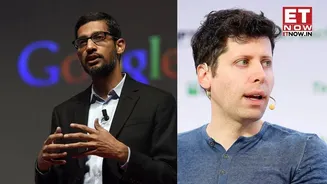
The summit attracted an exceptional roster of leading figures from the international technology and policy landscape. Prominent attendees included OpenAI CEO Sam Altman, Google and Alphabet chief Sundar Pichai, and NVIDIA founder and CEO Jensen Huang, underscoring the event's global significance. Further bolstering the assembly of tech luminaries were Adobe CEO Shantanu Narayen, Microsoft founder Bill Gates, Qualcomm CEO Cristiano Amon, Microsoft President Brad Smith, Ericsson CTO Erik Ekudden, and Cloudflare boss Matthew Prince. The presence of these industry titans highlighted the summit's focus on the practical applications and future directions of AI. Complementing the corporate leadership were influential figures from India's own tech industry, including Infosys co-founder Nandan Nilekani, Tata Sons Chairman Natarajan Chandrasekaran, HCL Tech Chairperson Roshni Nadar Malhotra, and Bharti Enterprises Chairman Sunil Bharti Mittal, showcasing strong domestic engagement.
Foundational Research Spotlight
Beyond the titans of industry, the India AI Summit placed significant emphasis on the foundational research that underpins artificial intelligence advancements. The event featured the participation of pioneering AI researchers, notably ex-Meta Chief Scientist Yann LeCun and Yoshua Bengio, who are widely recognized as foundational figures in the field of AI. Their presence signaled a deep commitment to exploring the theoretical underpinnings and cutting-edge research driving AI innovation. This focus on fundamental science, alongside industry leadership, aimed to create a comprehensive dialogue that spans from theoretical breakthroughs to real-world implementation. The inclusion of such distinguished researchers ensured that the summit addressed not only the commercial and societal impacts of AI but also the scientific frontiers that will define its future evolution, fostering a holistic understanding of the AI landscape.
Bridging Research and Policy
A key component of the summit was a dedicated research symposium held on February 18, designed to act as a vital conduit between the realms of AI research, practical application, and policy formulation. This symposium provided a platform for in-depth discussions on how artificial intelligence is profoundly reshaping societies, institutions, and economic structures globally. The initiative garnered significant interest, evidenced by the reception of over 250 submissions from both within India and internationally, highlighting a widespread desire to contribute to and understand the multifaceted impact of AI. The symposium aimed to translate theoretical insights into tangible policy recommendations and practical strategies, ensuring that the rapid advancements in AI are guided by thoughtful consideration and collaborative efforts, fostering a more informed and proactive approach to AI governance.