






Widespread Overweight Concerns
Recent findings from Apollo Hospitals' "Health of the Nation 2026" report paint a concerning picture of the health landscape for working individuals in India.
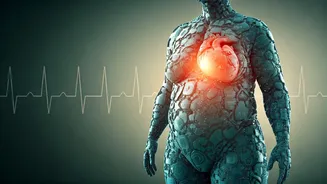
Data gathered from over three million preventive health assessments in 2025 indicates that a significant majority, precisely eight out of ten working Indians, are classified as overweight. This statistic alone points to a profound public health challenge, as excess weight is a well-established precursor to numerous chronic conditions. The report emphasizes that this trend is not limited to older demographics; even younger adults are falling into this category, signaling an earlier onset of potential health complications. This widespread overweight status is a critical indicator, suggesting that fundamental lifestyle adjustments are urgently needed across the working population to mitigate the growing burden of related illnesses.
Hidden Risks Emerge
Beyond the visible issue of being overweight, the "Health of the Nation 2026" report from Apollo Hospitals uncovers a deeply concerning trend of hidden health risks affecting a substantial portion of the Indian populace. Two out of three young adults, astonishingly, are already identified as being at risk for non-communicable diseases (NCDs). Furthermore, within the working demographic, nearly half of individuals are found to have prediabetes or full-blown diabetes, conditions that often develop silently without prominent symptoms until they reach advanced stages. This underscores a critical gap in awareness and early detection, suggesting that many individuals may be living with serious underlying health issues without realizing it. The report strongly advocates for a paradigm shift from symptom-driven healthcare to proactive, regular health assessments to catch these silent threats before they escalate.
Nutritional Deficiencies Prevail
The health assessment report highlights pervasive nutritional deficiencies that further exacerbate the health challenges faced by working Indians. A significant majority, nearly seven out of ten individuals, were found to be deficient in Vitamin D, a crucial nutrient for bone health, immune function, and mood regulation. Complementing this, close to half of the population exhibited low levels of Vitamin B12, essential for nerve function and the formation of red blood cells. These widespread deficiencies, coupled with declining fitness levels, including poor flexibility, strength, and balance particularly among those under 30, paint a grim picture of overall well-being. These underlying issues, often overlooked, contribute to a weakened state and increase susceptibility to various ailments, reinforcing the report's call for comprehensive lifestyle interventions.
Gender-Specific Health Concerns
The "Health of the Nation 2026" report also sheds light on distinct health risks that disproportionately affect women, highlighting the need for gender-specific health strategies. Anaemia remains a significant concern for women, impacting energy levels and overall health. Additionally, the report notes an increasing trend of central obesity with age among women, a pattern linked to higher risks of cardiovascular disease and diabetes. Perhaps most alarmingly, the mean age for breast cancer detection through routine mammography was found to be 51, nearly a decade earlier than typically observed in Western populations. This early detection, often in asymptomatic individuals, underscores the critical importance of age-appropriate screening for women, especially those over 40, to identify potential malignancies at their earliest, most treatable stages.
Gut Health and Fatty Liver
Emerging concerns around gut health and the prevalence of fatty liver disease are also prominent in the "Health of the Nation 2026" findings. The report indicates that a substantial 74% of individuals diagnosed with fatty liver had entirely normal liver enzymes, meaning the condition was undetectable through standard blood tests and only revealed through ultrasound imaging. Undetected fatty liver is a significant risk factor for the progression of diabetes and other liver diseases. Furthermore, the study observed a notable decline in gut diversity – approximately 9% – in individuals experiencing multiple health issues such as diabetes, obesity, and high cholesterol. This connection between metabolic health and gut microbiome disruption highlights the interconnectedness of bodily systems and the need for a holistic approach to health management.
The Urgency for Action
The implications of the "Health of the Nation 2026" report are stark: the challenge lies not in a lack of detection methods, but in the absence of timely and consistent action. A considerable segment of the population remains in a reversible stage of disease, yet this critical window is frequently missed. The co-occurrence of weight gain, abnormal lipid profiles, and rising blood glucose levels strongly suggests the need for integrated care rather than fragmented interventions. The path forward, as advocated by experts, involves earlier and more widespread screening, particularly among younger demographics, robust follow-up protocols, and sustained commitment to lifestyle changes. Implementing workplace and college-based wellness programs, tailored screening for women at different life stages, and incorporating mental health assessments are vital steps to shift the focus from late-stage treatment to effective early prevention.