






Project Overview & Benefits
A significant infrastructure milestone has been reached with the Union environment ministry's expert appraisal committee (EAC) giving its approval to the proposed
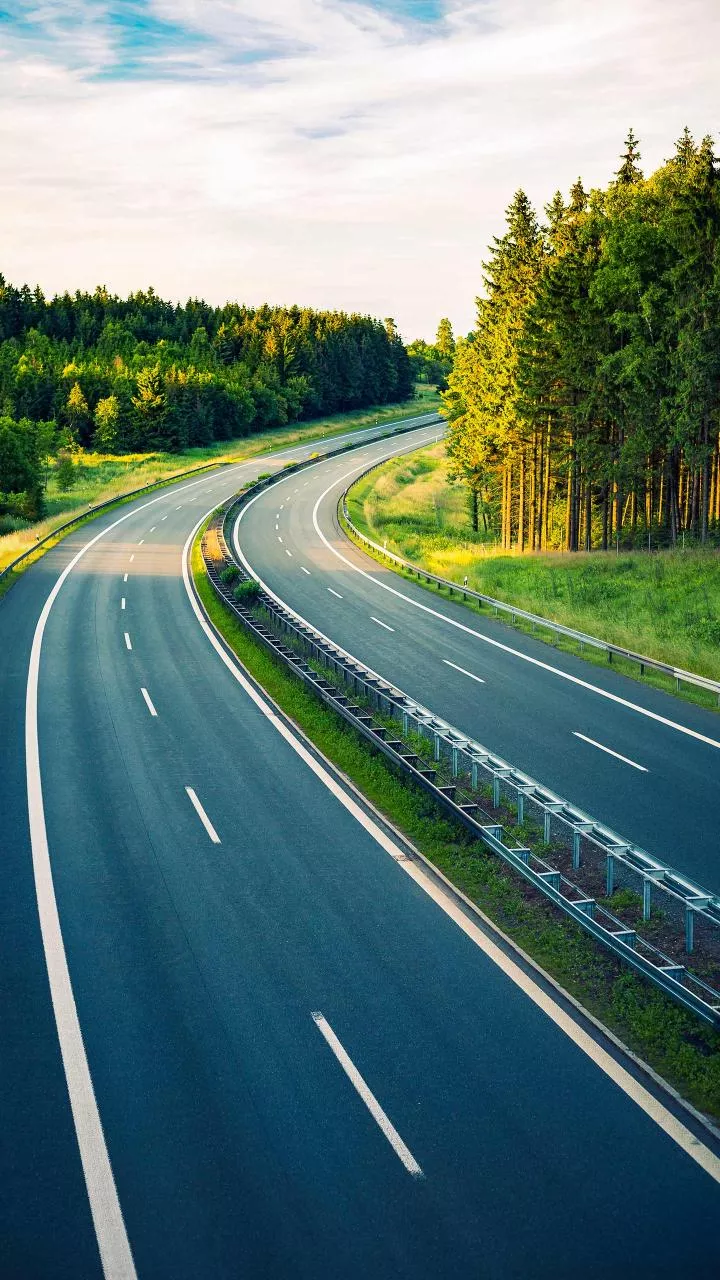
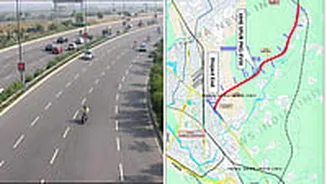
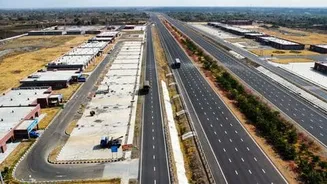
600-km Varanasi-Kolkata expressway. This ambitious project is set to dramatically improve connectivity between Uttar Pradesh and West Bengal, traversing through Bihar and Jharkhand as well. The expressway is projected to cut travel time between the two major cities by an impressive 50%, a substantial reduction that will revolutionize logistics and personal travel. Estimated to cost approximately ₹25,000 crore, this greenfield initiative signifies a major investment in the nation's infrastructure, aiming to foster robust economic development by facilitating the seamless movement of goods and people across these crucial regions. The project is slated for completion within a swift 30-month timeframe, indicating a focused effort to bring its benefits to fruition sooner rather than later. The expressway is envisioned as a six-lane access-controlled highway, designed for efficient travel with a speed limit of 120 kmph, featuring 10 entry and exit points and spanning across 12 districts in the four participating states. The project is expected to be fully operational by 2027.
Environmental Safeguards & Wildlife Concerns
The environmental clearance for the Varanasi-Kolkata expressway, specifically the 235-km stretch requiring diversion of over 103 hectares of forest land in West Bengal, has been granted with stringent conditions. The project, estimated at ₹9,250 crore for this segment, passes through a tiger landscape and necessitates the felling of approximately 40,000 trees in non-forest areas and 10,000 in forest areas. Recognizing the potential impact on wildlife, particularly elephants which use corridors located near the alignment, the National Highways Authority of India (NHAI) has proposed 20 elephant-cum-wildlife underpasses. The EAC has emphasized that these wildlife crossing structures must strictly adhere to the recommendations of the Divisional Forest Officer (DFO), with a minimum span of 300 meters for underpasses. Furthermore, the underpasses are to be constructed with a height of eight to ten meters to facilitate safe passage for various species, including 17 Schedule-I animals like jackals, sambar deer, striped hyenas, Indian foxes, Indian elephants, and leopards found in the study area. The project proponent is mandated to implement a comprehensive environmental management plan and a biodiversity conservation plan to mitigate ecological risks.
Economic Impact and Future Prospects
The development of the Varanasi-Kolkata expressway is anticipated to be a significant catalyst for economic growth across Uttar Pradesh, Bihar, Jharkhand, and West Bengal. By drastically reducing transit times and enhancing the efficiency of freight movement, the expressway will bolster trade and commerce, making these regions more attractive for investment and business expansion. The improved connectivity is expected to stimulate local economies through increased accessibility to markets and resources. Furthermore, the construction phase alone is projected to generate substantial employment opportunities for local communities, providing livelihoods and contributing to socio-economic upliftment. The hybrid annuity model (HAM) adopted for this project signifies a collaborative approach to funding and development, ensuring long-term viability and operational efficiency. Beyond economic benefits, the expressway is set to improve the quality of life for residents by making travel between these key urban centers more convenient and accessible, fostering greater integration and development across the eastern part of India.