




India Clash Boycott
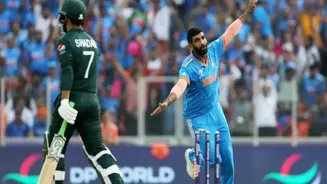
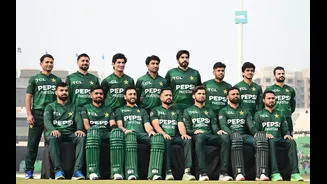
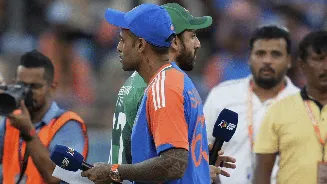
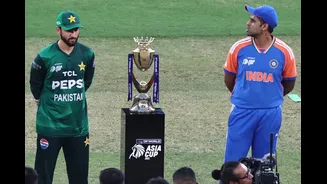
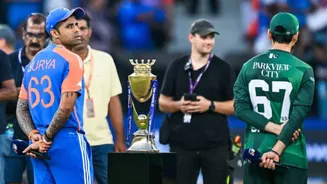
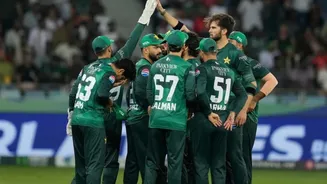
Pakistan's cricket team is potentially boycotting a match against India in the T20 World Cup. This decision has sparked heated discussions among fans,
analysts, and former players. The background of the decision is not yet public. This situation has brought attention to the long-standing political tensions between the two nations, which have frequently spilled over into the sporting arena. Pakistan's choice has also stirred up debate about the spirit of sports and whether it should be influenced by external factors such as politics. The impact of such boycotts on international cricket and the potential consequences for Pakistan's participation in the tournament are under scrutiny.
Past Boycott Instances
This is not the first instance of teams skipping matches due to political tensions. Historically, similar boycotts have occurred in international cricket, often triggered by strained relations between countries. In some cases, these decisions have led to significant consequences, including fines, suspensions, or even the withdrawal of teams from tournaments. Examining these past incidents provides crucial context for understanding the current situation and its implications. Understanding the historical trends helps in assessing the potential impact of Pakistan's possible boycott and the repercussions that might follow, both for the team and for the broader sport.
Official Reactions and Views
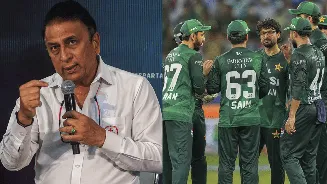
Responses from various quarters have been observed following the possibility of the boycott. Former officials and commentators have weighed in, offering diverse perspectives on the situation. Some have criticized the decision, emphasizing the importance of sportsmanship and the need to keep politics separate. Others have expressed understanding, citing the political climate and suggesting that the decision is justified. The International Cricket Council (ICC) is expected to play a crucial role in the matter, as it is tasked with upholding fair play and addressing any potential breaches of conduct. The decisions and statements made by these different groups will greatly influence the course of events and the final result of the controversy.
Possible Consequences
The consequences of Pakistan boycotting the match against India could be wide-ranging. The ICC may choose to impose sanctions, including financial penalties or suspension of the team. Pakistan's standing in the tournament could be affected, potentially jeopardizing their chances of advancing. Sponsorship deals and future participation in international events might also be at stake. The impact on the sport itself cannot be ignored, as such actions could affect the spirit of the game and its global appeal. Further ramifications might arise if other teams or individuals take a similar stance, leading to more complications.
Expert Analysis
Cricket analysts and experts are providing their insights on the matter. They are analyzing the factors contributing to the decision, the possible implications, and the future of Pakistan's cricket. They also assess the broader impact on the T20 World Cup and the international cricket scene. Their analysis will bring a well-rounded understanding of the issue, aiding fans in comprehending the nuances of the situation. Their opinions and judgments will affect public perception and inform strategies, helping fans and the authorities grasp the implications and possible directions of the ongoing controversy.