









Trade Framework Agreement
Following months of intensive negotiations, the United States and India have successfully established a foundational framework for an interim trade agreement.
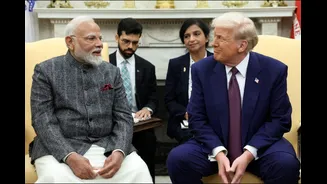
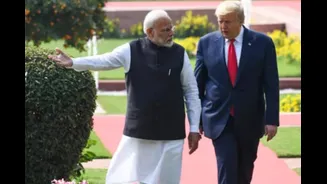
This accord aims to navigate the complexities that arose from previous trade tensions, including tariffs imposed by the US. The agreement, initially hinted at by President Trump and Prime Minister Modi, is designed to serve as a stepping stone towards a more comprehensive bilateral trade agreement. This interim pact signifies a mutual commitment to balanced and reciprocal trade, driven by shared interests and tangible outcomes, marking a significant milestone in the burgeoning partnership between the two economic giants.
Tariff Adjustments & Market Access
A core element of this interim pact involves substantial tariff adjustments. India has committed to eliminating or significantly reducing tariffs on a broad spectrum of US industrial goods and key agricultural products. This includes items like dried distillers’ grains, red sorghum for animal feed, various tree nuts, fresh and processed fruits, soybean oil, and alcoholic beverages. In reciprocity, the United States will implement a 18 percent reciprocal tariff on specified Indian goods such as textiles, apparel, leather products, footwear, plastics, rubber, organic chemicals, home decor, artisanal crafts, and certain machinery. Crucially, the US plans to remove these reciprocal tariffs on a wide array of Indian goods, including generic pharmaceuticals, gems and diamonds, and aircraft parts, contingent on the formal conclusion of the interim agreement. Furthermore, tariffs on certain Indian aircraft and aircraft parts, initially imposed due to national security concerns, will be removed, while India will benefit from a preferential tariff rate quota for automotive parts.
Non-Tariff Barriers Addressed
Beyond tariffs, the agreement actively tackles non-tariff barriers that have historically impeded bilateral trade. India has pledged to address long-standing obstacles to the trade of US medical devices and to eliminate restrictive import licensing procedures that delay market entry or impose quantitative limits on US Information and Communication Technology (ICT) goods. The two nations will collaborate to determine the acceptability of US-developed or international standards, including testing requirements, for US exports entering the Indian market within identified sectors, aiming for a positive resolution within six months of the agreement's enactment. India has also committed to resolving existing non-tariff barriers affecting US food and agricultural products, underscoring a shared dedication to facilitating smoother trade flows.
Economic Security & Future Growth
The agreement extends to strengthening economic security alignment, enhancing supply chain resilience, and fostering innovation. Both countries will take complementary actions to counter non-market policies from third parties and cooperate on inbound and outbound investment reviews and export controls. A significant aspect of this partnership includes India's commitment to purchase approximately $500 billion worth of US energy products, aircraft and parts, precious metals, technology, and coking coal over the next five years. There's also a concerted effort to boost trade in technology products, particularly Graphics Processing Units (GPUs) and other data center components, alongside expanding joint technology cooperation. Both nations are committed to removing discriminatory or burdensome practices impacting digital trade, setting a clear path for ambitious and mutually beneficial digital trade rules within the broader bilateral trade agreement.